
7-Day Kilimanjaro Climb via Lemosho Route 2026/2027
The 7-Day Lemosho Route offers one of the most rewarding and scenic ways to reach Kilimanjaro’s summit, perfect for trekkers who want a balanced mix of challenge, comfort, and success. This Kilimanjaro Lemosho Route 7 Days adventure offers breathtaking scenery, from lush rainforests to the iconic Uhuru Peak. With expert guides, porters, and full-board meals, our Kilimanjaro Climbing Packages ensure a safe and rewarding Tanzania trekking experience. Perfect for adventurers seeking a Mount Kilimanjaro Hiking Package with a strong acclimatisation profile, this itinerary balances altitude acclimatization and stunning landscapes like Shira Plateau and Barranco Wall. In this guide, we’ll walk you through each day of the climb, what to expect on the trail, and essential tips to help you prepare, pace yourself, and enjoy every step to Uhuru Peak. Book your Kilimanjaro Trekking via Lemosho now and conquer Africa’s highest peak!
Book Your Climb NowWhat This Seven-Day Trip Includes at a Glance
- Duration: 7 Days, 6 Nights
- Destination: Kilimanjaro National Park, Tanzania
- Main Focus: Summit Uhuru Peak (5,895m), scenic trekking
- Tour Style: Guided trek, small groups (2–12 people)
- Best Time: January–March, June–October with an acclimatisation-focused schedule
- Ideal For: Adventure seekers, hikers, nature enthusiasts
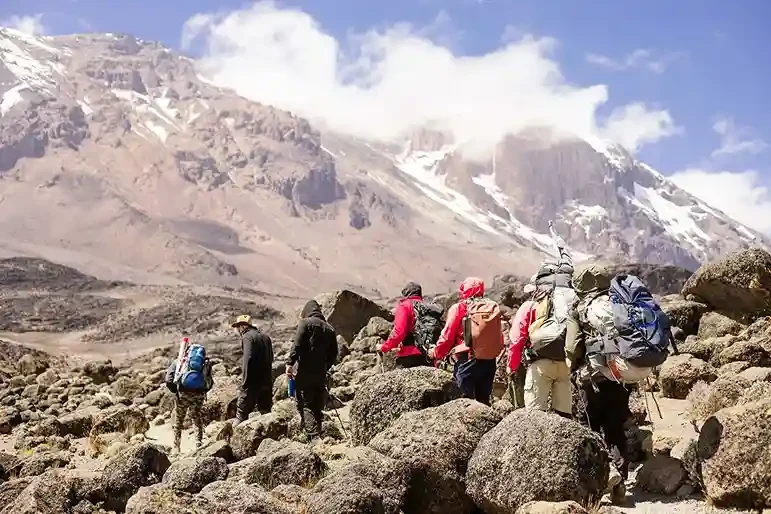
Who This Seven-Day Trip Suits—and Why
The 7 Day Kilimanjaro Climb Lemosho Route is one of the best routes to summit Mount Kilimanjaro, offering a perfect blend of scenic beauty, fewer crowds, and excellent altitude acclimatization. Starting from Moshi or Arusha, this Mount Kilimanjaro Lemosho Route takes you through lush rainforests, alpine meadows, and the iconic Shira Plateau, culminating at Uhuru Peak. With Capable Africa Tours, your Tanzania Kilimanjaro Climbing Tours are supported by experienced mountain guides, porters, and cooks, ensuring a safe and memorable African adventure holiday. The Lemosho Route’s 7-day itinerary maximizes your chances of reaching the summit with a success rate of 85–90%.
This route is ideal for those seeking a Kilimanjaro Trekking via Lemosho experience that balances challenge and comfort. You’ll traverse diverse landscapes, including the dramatic Barranco Wall and Lava Tower, while enjoying full-board meals and high-quality camping gear. Whether you’re a seasoned trekker or a fit beginner, this itinerary delivers an memorable Tanzania trekking experience.
Best Lemosho Route Itinerary: Day-by-Day Breakdown
Our 7 Days Lemosho Route Kilimanjaro Trek is meticulously planned to optimize your summit success while showcasing the mountain’s diverse ecosystems. Below is the detailed day-by-day itinerary for your Kilimanjaro Lemosho Route 7 Days adventure with Capable Africa Tours.
Day 1: Moshi/Arusha to Lemosho Gate & Mti Mkubwa Camp
Your Kilimanjaro adventure begins with a transfer from Moshi or Arusha to Lemosho Gate (2,100m). After registration, trek through lush rainforest to Mti Mkubwa Camp (2,750m). Spot colobus monkeys and enjoy the serene forest ambiance.
- Trekking Time: 3–4 hours
- Distance: 6 km
- Highlights: Rainforest, wildlife sightings
- Meals: Lunch, dinner
- Accommodation: Mti Mkubwa Camp
Day 2: Mti Mkubwa to Shira 1 Camp
Trek from rainforest to heath and moorland, arriving at Shira 1 Camp (3,505m). Enjoy panoramic views of the Shira Plateau, one of Kilimanjaro’s most scenic areas, as you acclimatize to the altitude.
- Trekking Time: 5–6 hours
- Distance: 8 km
- Highlights: Shira Plateau, moorland vistas
- Meals: Breakfast, lunch, dinner
- Accommodation: Shira 1 Camp
Day 3: Shira 1 to Shira 2 Camp
Cross the Shira Plateau to Shira 2 Camp (3,900m), passing through open landscapes with views of Kibo Peak. This shorter day aids altitude acclimatization, preparing you for higher elevations.
- Trekking Time: 3–4 hours
- Distance: 7 km
- Highlights: Shira Plateau, Kibo views
- Meals: Breakfast, lunch, dinner
- Accommodation: Shira 2 Camp
Day 4: Shira 2 to Barranco Camp via Lava Tower
Trek to Lava Tower (4,600m) for acclimatization, then descend to Barranco Camp (3,950m). This day features the iconic Barranco Wall and stunning alpine desert scenery.
- Trekking Time: 6–8 hours
- Distance: 10 km
- Highlights: Lava Tower, Barranco Wall
- Meals: Breakfast, lunch, dinner
- Accommodation: Barranco Camp
Day 5: Barranco Camp to Karanga Camp
Scale the Barranco Wall, a thrilling climb, and trek to Karanga Camp (4,000m). Enjoy views of the southern glaciers and continue acclimatizing for the summit push.
- Trekking Time: 4–5 hours
- Distance: 5 km
- Highlights: Barranco Wall, glacier views
- Meals: Breakfast, lunch, dinner
- Accommodation: Karanga Camp
Day 6: Karanga Camp to Barafu Camp
Trek to Barafu Camp (4,600m), your base for the summit attempt. Rest and prepare for the challenging summit night ahead, with views of Mawenzi Peak.
- Trekking Time: 3–4 hours
- Distance: 4 km
- Highlights: Alpine desert, summit preparation
- Meals: Breakfast, lunch, dinner
- Accommodation: Barafu Camp
Day 7: Barafu Camp to Uhuru Peak & Descent to Mweka Camp
Begin your summit night ascent to Uhuru Peak (5,895m) around midnight, reaching the summit at sunrise. Descend to Mweka Camp (3,100m) for a well-earned rest.
- Trekking Time: 12–15 hours (7–8 up, 5–7 down)
- Distance: 17 km
- Highlights: Uhuru Peak, sunrise summit
- Meals: Breakfast, lunch, dinner
- Accommodation: Mweka Camp
Day 8: Mweka Camp to Mweka Gate & Moshi/Arusha
Descend through rainforest to Mweka Gate (1,650m), where you’ll receive your summit certificate. Transfer back to Moshi or Arusha to celebrate your achievement.
- Trekking Time: 3–4 hours
- Distance: 10 km
- Highlights: Summit certificate, rainforest descent
- Meals: Breakfast, lunch
- Accommodation: Hotel in Moshi/Arusha
Route Highlights: Shira Plateau, Barranco Wall, and More
The Kilimanjaro Lemosho Route 7 Days is renowned for its scenic diversity. You’ll traverse the lush rainforest, home to colobus monkeys, before reaching the expansive Shira Plateau, offering sweeping views of Kilimanjaro’s western slopes. The dramatic Barranco Wall provides a thrilling climb, while Lava Tower aids acclimatization. The summit night to Uhuru Peak is the ultimate reward, with sunrise views over Kilimanjaro National Park. This Mount Kilimanjaro Hiking Package ensures you experience these iconic landmarks with expert guidance.
Accommodation & Meals on the Lemosho Route
During your 7-day Kilimanjaro climb, you’ll stay in high-quality tents at designated campsites, set up by our experienced porters. Expect comfortable sleeping pads and spacious tents designed for mountain conditions. Full-board meals are provided, prepared by skilled cooks to keep you energized. From hearty breakfasts to warm dinners, meals include fresh ingredients tailored to dietary needs. Before and after the trek, you’ll stay in comfortable hotels in Moshi or Arusha, ensuring a relaxing start and end to your Tanzania trekking experience.
What’s Included in Our Kilimanjaro Climbing Packages
Our Kilimanjaro 7 Day Lemosho Cost includes everything you need for a successful climb. Here’s what’s covered in the package:
Inclusions
- Round-trip transfers from Moshi/Arusha
- All Kilimanjaro National Park fees
- High-quality camping equipment (tents, sleeping pads)
- Full-board meals during the trek
- Experienced mountain guides, porters, and cooks
- Bottled water and hot drinks on the trek
- Summit certificate upon completion
Exclusions
- International flights to Tanzania
- Travel or medical insurance
- Trekking gear (available for rent)
- Tips for guides/porters (~$15–20 pp/day, optional)
- Personal expenses (souvenirs, etc.)
- Alcoholic beverages
Lemosho Route Difficulty & Preparation
The Lemosho Route Difficulty is moderate, suitable for fit hikers with some trekking experience. Daily hikes range from 3–8 hours, covering a total Kilimanjaro Lemosho Route Distance of approximately 70 km. Altitude acclimatization is key, and the 7-day itinerary is designed to minimize altitude sickness risks. To prepare, engage in regular cardio (hiking, running) and strength training 3–6 months prior. Practice hiking with a backpack and break in your trekking boots. Our guides provide daily health checks to ensure your safety during this Tanzania Kilimanjaro Climbing Tour.
Best Time to Climb Kilimanjaro via Lemosho Route
The best time to climb Kilimanjaro is during the dry seasons: January–March and June–October. These months offer clear skies, stable weather, and better trail conditions, enhancing your Lemosho Route conditions and acclimatisation. The dry seasons also provide stunning views of Uhuru Peak and the surrounding Kilimanjaro National Park, making it ideal for photography and a memorable African adventure holiday.
See the Landscapes, Camps and Wildlife Along This Route
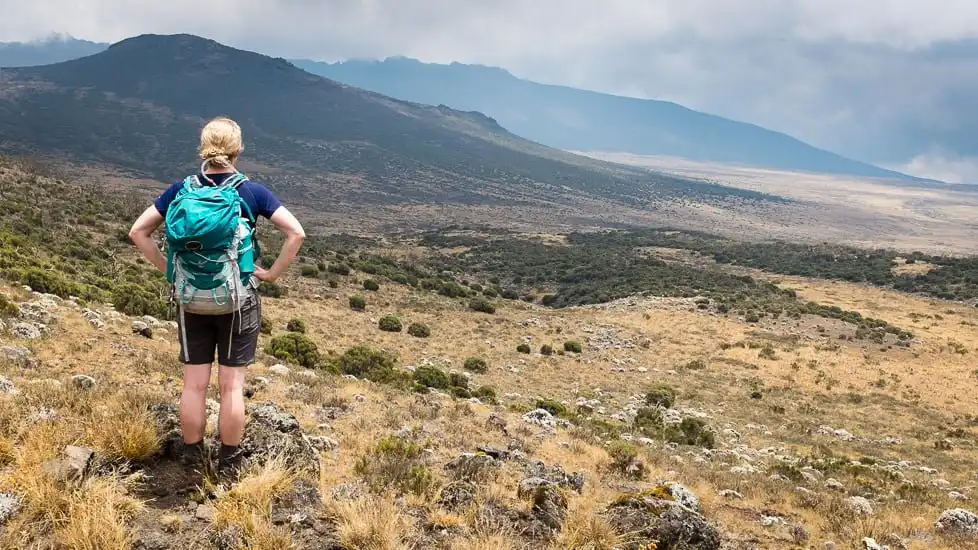
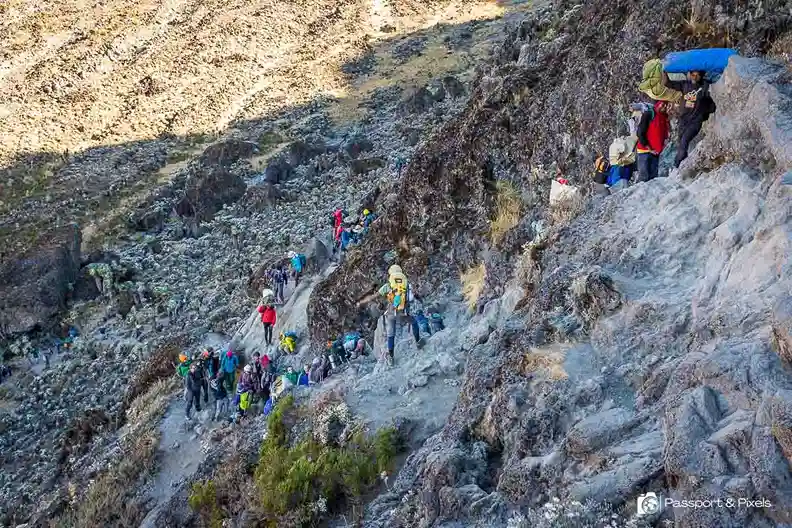
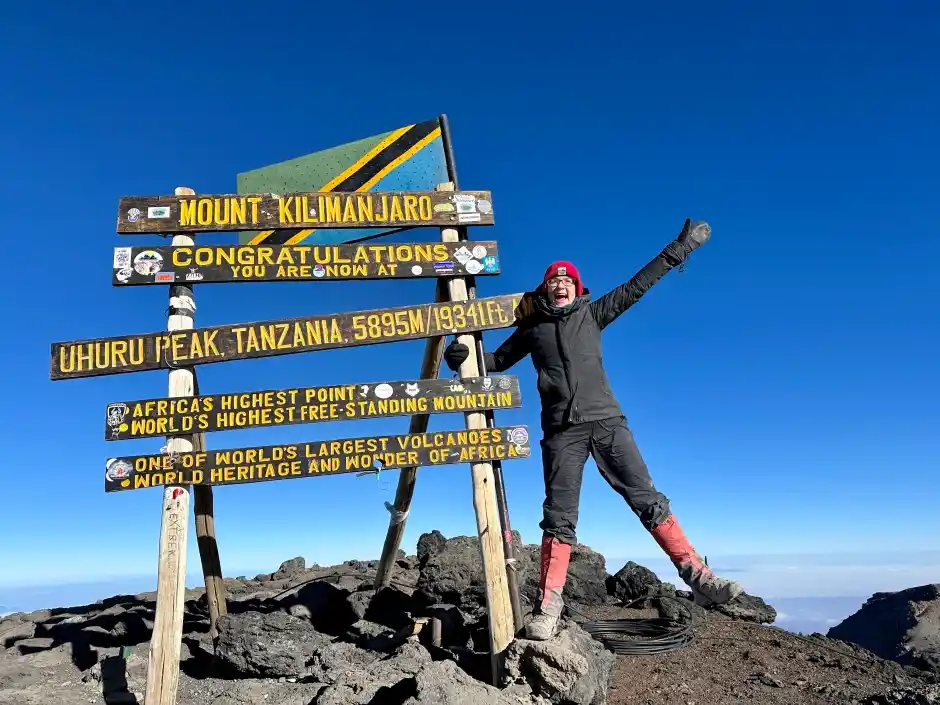
What to Expect from Mornings, Travel Days and Evenings
Watch the beauty of the 7-day Kilimanjaro climb via Lemosho Route unfold, from the Shira Plateau to the triumphant Uhuru Peak summit, with Capable Africa Tours.
What to Pack for the Actual Route and Season
Packing smart is crucial for a successful 7-day Kilimanjaro climb. Bring layered clothing for varying climates, from rainforest to arctic summit conditions. Essential trekking gear and equipment include sturdy boots and a reliable sleeping bag. Below is a detailed packing list for your Mount Kilimanjaro Hiking Package.
- Layered Clothing: Moisture-wicking base layers, fleece, waterproof jacket.
- Trekking Boots: Waterproof, broken-in boots with good grip.
- Sleeping Bag: Rated for -15°C for summit night comfort.
- Trekking Poles: For stability on Barranco Wall and descents.
- Headlamp: With extra batteries for summit night.
- Water Bottle/Bladder: 3L capacity for daily hydration.
- Sunscreen & Sunglasses: High SPF and UV protection for high altitudes.
- Personal First-Aid Kit: Include altitude medication (consult a doctor).
7- Day Lemosho Kilimanjaro Price
The Price for 7-Day Kilimanjaro Climb via Lemosho Route ranges from $1,950 per person, depending on group size and inclusions.
Contact us now to customize your Kilimanjaro Climbing Package!
Is This Seven-Day Trip the Right Choice for You?
Join Capable Africa Tours for a 7-day Kilimanjaro climb via Lemosho Route, conquering Uhuru Peak with expert guides and porters. Experience the Shira Plateau, Barranco Wall, and the thrill of summit night in Kilimanjaro National Park.
- 85–outcomes vary with route, season, weather and individual response
- Expert mountain guides and porters
- Full-board meals and quality camping
- Small groups for personalized attention
- Supports local conservation efforts
Limited spots available for this 7 Days Lemosho Route Kilimanjaro Trek—book now to secure your adventure!
Book This Climb NowRequest a Tailored Seven-Day Itinerary
Related Tanzania Safari Adventures
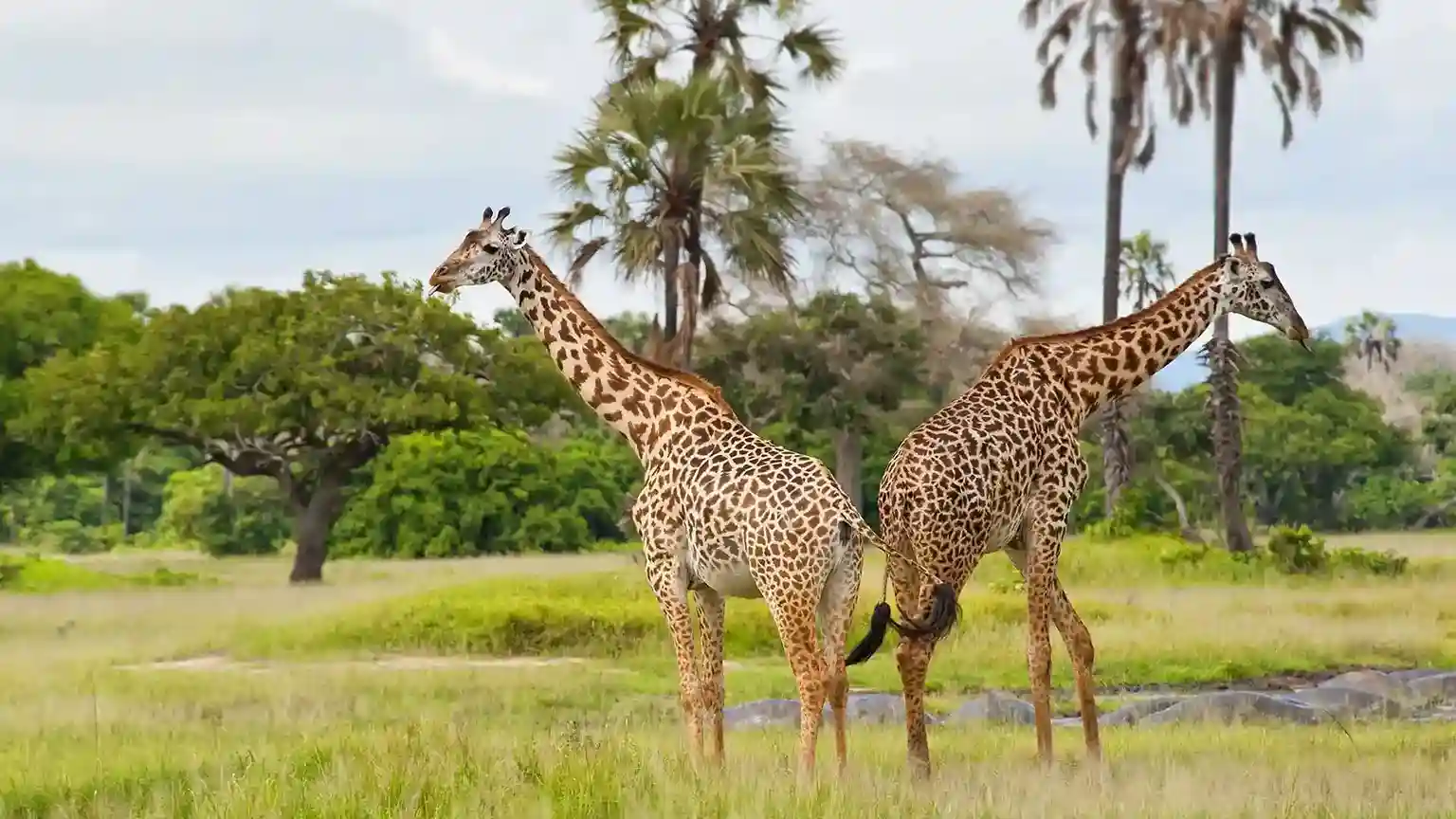
5-Day Serengeti Safari Adventure
Witness the Great Migration and diverse wildlife in Tanzania’s iconic Serengeti National Park.
View Package →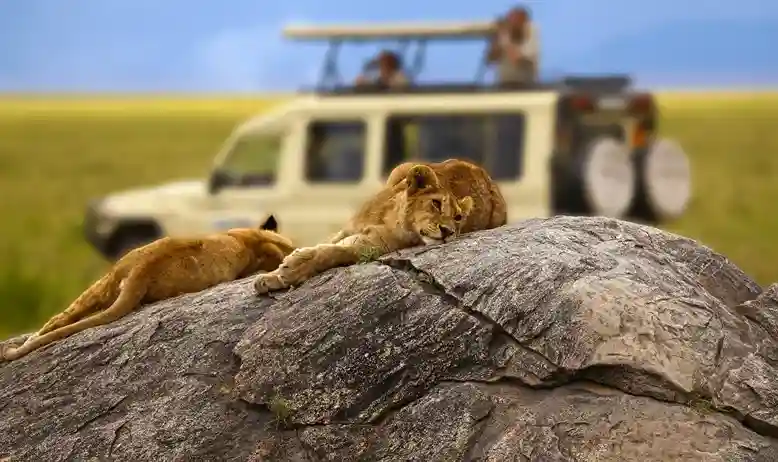
4-Day Nyerere National Park within the wider Selous ecosystem Safari
Explore the vast Nyerere National Park within the wider Selous ecosystem with boat safaris, game drives, and luxury camps.
View Package →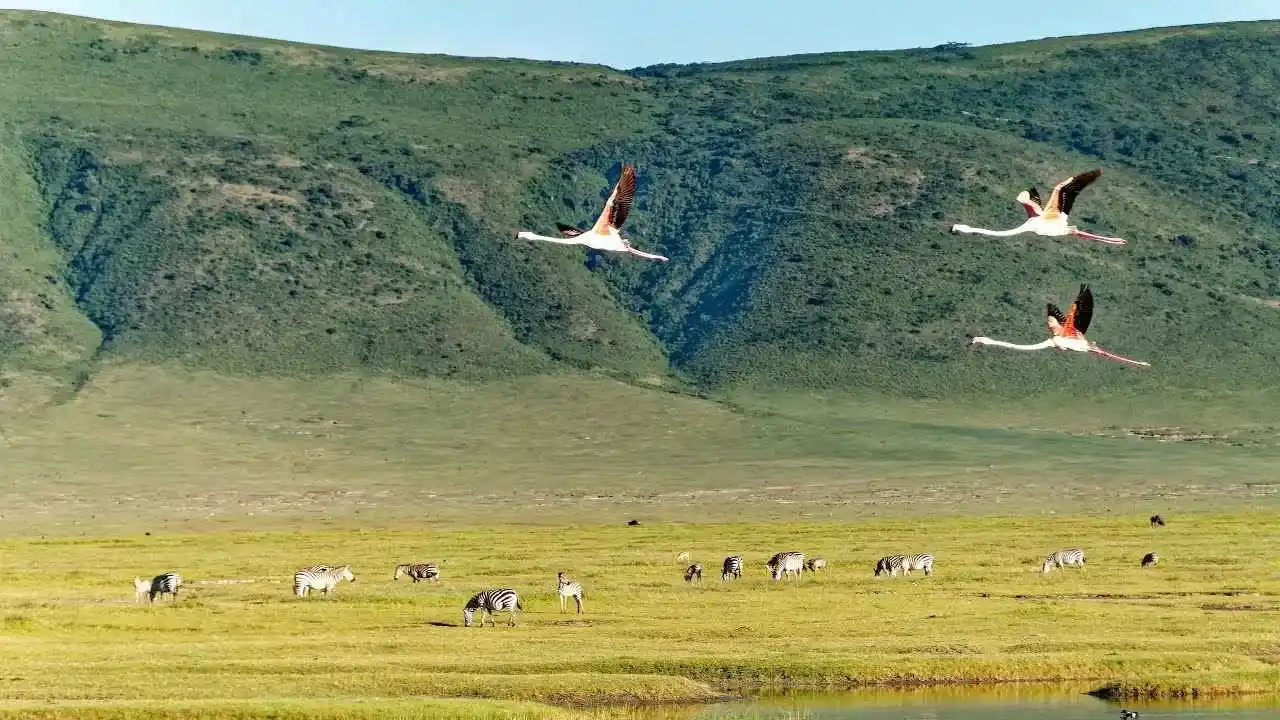
1-Day Ngorongoro Crater Safari
Discover the Ngorongoro Crater’s wildlife and stunning caldera on a short but thrilling safari.
View Package →