
Kilimanjaro Northern Circuit Route – Guided Trek to Uhuru Peak
The Northern Circuit is for climbers who can give Kilimanjaro more time. It approaches from the west, crosses the Shira Plateau and then bends around Kibo's quieter northern side before the final summit approach. The longer route gives more time at altitude, but it is still a serious climb with several nights in tents, cold exposed camps and a demanding summit day.
Plan Your TrekKilimanjaro Northern Circuit Route Highlights
- Typical style: Longer Kilimanjaro camping route
- Highest point: Uhuru Peak, 5,895 m
- Route character: Western approach followed by a northern traverse around Kibo
- Accommodation: Mountain camping
- Best suited to: Climbers who prefer more mountain days and quieter middle stages
- Main challenge: Altitude, cold and a long summit day
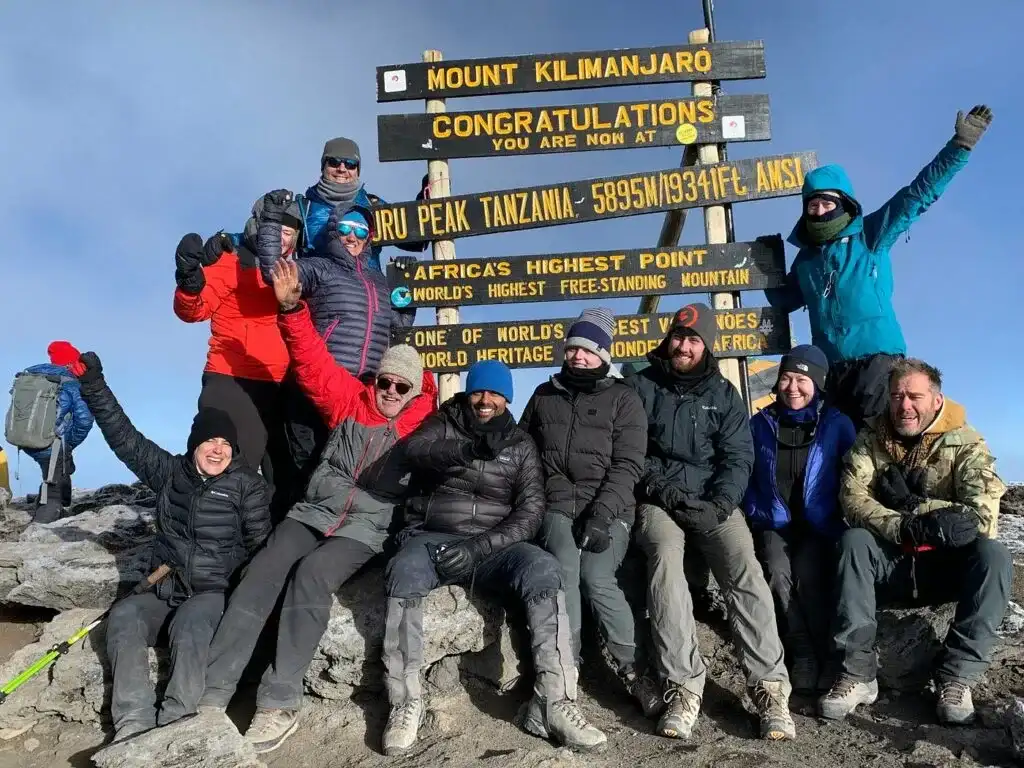
What Makes the Northern Circuit Different?
The Northern Circuit starts on the western side of Kilimanjaro and shares its early approach with Lemosho. After the Shira area, the route turns away from the busier southern trails and continues through the northern side of Kibo before reaching the final high camp and summit approach.
That extra distance is the reason people choose it. You spend more time on the mountain, see more of Kilimanjaro's quieter northern terrain and avoid some of the traffic found on the busiest middle sections of Machame. The trade-off is straightforward: more camping days, a higher overall trip cost and more time exposed to mountain weather.
It is often described online with very high summit-success percentages. We would not use those claims as a booking promise. The stronger point is simpler: a longer itinerary gives the body more time to adapt than a compressed climb, but altitude illness can still affect any climber.
Who Should Choose the Northern Circuit?
This route makes sense if you can give Kilimanjaro enough days and you do not mind camping for most of a week or longer. It suits first-time high-altitude trekkers who would rather avoid a rushed schedule, returning climbers who want a quieter trail, and travelers who value route experience as much as the summit itself.
It is probably not the best choice if your Tanzania schedule is very short, if you want hut accommodation, or if you are choosing the route mainly because someone has promised a particular summit percentage.
Related Kilimanjaro Route Options

7-Day Lemosho Route
A shorter western approach for travelers who like Lemosho scenery but do not have enough days for the full Northern Circuit.
View Package →
8-Day Lemosho Route
Useful to compare with the Northern Circuit when you want a longer schedule but prefer the southern side of Kibo after Lava Tower.
View Package →Sample Northern Circuit Itinerary
The exact camp sequence matters more than the package label. Some operators count an arrival or hotel night as “Day 1,” while others count only mountain days. Always check the actual camp list before comparing two offers.
- Day 1: Moshi briefing, equipment check and final preparation.
- Day 2: Londorossi Gate to Mti Mkubwa through the rainforest.
- Day 3: Mti Mkubwa to Shira 1 as the route moves above the forest.
- Day 4: Shira 1 to Shira 2 or a comparable Shira-stage overnight, depending on the itinerary.
- Day 5: Continue toward Moir and the northern side of the mountain.
- Day 6: Moir area to Buffalo Camp across quieter terrain.
- Day 7: Buffalo toward Third Cave.
- Day 8: Third Cave toward the final high camp, often School Hut depending on the route plan.
- Day 9: Summit attempt to Uhuru Peak, followed by a long descent toward Mweka.
- Final descent: Mweka Camp to Mweka Gate if the package counts this as a separate mountain day.
That last point is important: “9-day Northern Circuit” is not standardized across every company. Ask how many nights are actually spent inside Kilimanjaro National Park.
Northern Circuit vs Machame Route
These two routes appeal to different travelers rather than one being automatically better.
- Northern Circuit: longer overall, quieter during the northern traverse, more mountain nights and usually a higher total package cost.
- Machame: shorter, busier, highly scenic on the southern side and easier to fit into a tighter Tanzania itinerary.
If you have seven mountain days and want the classic southern scenery, Machame can make sense. If you have more time and want the quieter northern section, the Northern Circuit is worth considering.
Acclimatization on the Northern Circuit
The main advantage of the route is time. Spending more nights at increasing altitude generally gives the body more opportunity to adapt before summit night. That advantage should not be turned into a guarantee.
Fitness does not protect a climber from altitude illness. Headache, nausea, unusual fatigue, poor coordination, breathing difficulty or a worsening overall condition need to be taken seriously. A guide may slow the group, stop an ascent or recommend descent when continuing is unsafe.
Read our Kilimanjaro acclimatization guide before choosing between a shorter and longer route.
Kilimanjaro Gear for the Northern Circuit
The longer route means you need clothing that works across rainforest, exposed moorland, alpine desert and a very cold summit night. Your daypack should remain manageable because the walking continues for many days.
- Base layers: moisture-managing layers for changing temperatures.
- Insulation: fleece or equivalent mid-layer plus a warm summit jacket.
- Rain protection: waterproof jacket and trousers.
- Footwear: well-tested hiking boots and comfortable camp footwear.
- Sleeping bag: suitable for freezing mountain nights.
- Headlamp: essential for summit night, with spare batteries.
- Trekking poles: useful during long descents and uneven terrain.
- Sun protection: sunglasses, hat and sunscreen for high-altitude exposure.
Confirm rental equipment before arrival rather than assuming every item will be available in your size.
Training for a Longer Kilimanjaro Route
You do not need to be an elite athlete, but nine or more days on the mountain reward consistent preparation. Train for repeated walking days rather than one short burst of fitness.
- Build a base of regular walking or hiking.
- Add longer weekend hikes as the trip gets closer.
- Include hills or stairs to strengthen the legs for ascent and descent.
- Practice walking with the daypack you expect to carry.
- Make recovery part of the program instead of training hard every day.
Training makes the physical work easier. It does not replace acclimatization.
Altitude, Hydration and Medication
Drink regularly, eat as normally as you can and keep the walking pace steady. Water is important, but drinking excessive amounts is not a treatment for altitude sickness.
Some climbers discuss acetazolamide with their doctor before travel. Medication decisions should be made with a qualified medical professional who understands your health history. Do not take another climber's medication or treat it as permission to ignore worsening symptoms.
Scenery on the Northern Circuit
The route changes gradually rather than relying on one dramatic section. You begin in western forest, cross the broad Shira landscape and later reach the drier, more open northern slopes of Kibo. On clear days the northern side can open views toward Kenya. Higher up, vegetation thins and the mountain becomes increasingly stark before summit night.
The quieter section around Moir, Buffalo and Third Cave is one of the main reasons to choose this route. It is not empty from start to finish: the early western stages share trail areas with Lemosho, and climbers eventually meet other routes near the summit and on the Mweka descent.
Permits, Crew and Local Logistics
Kilimanjaro climbs require park arrangements and a registered mountain operation. Your confirmed quotation should state the park-related fees, guide and crew services, camping arrangements, meals, transfers and any hotel nights included before and after the climb.
Capable Africa Tours can arrange the local climb from Moshi or Arusha and coordinate the services listed in the final itinerary. If you are arriving through Kilimanjaro International Airport, send your flight details before arrival so the pickup can be matched to your schedule.
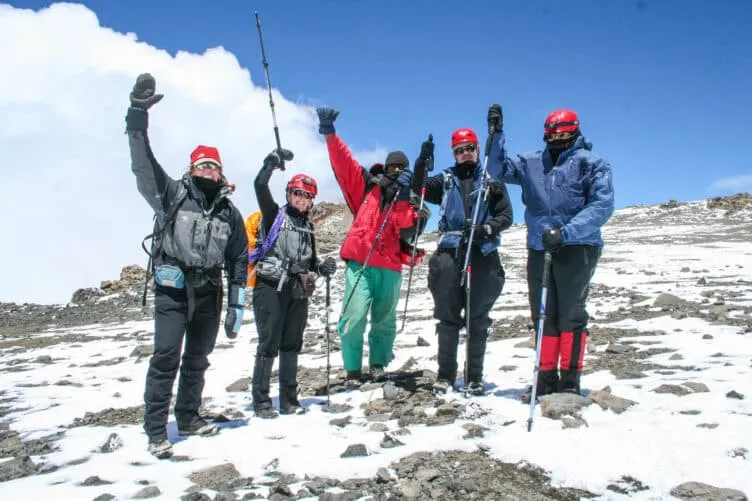
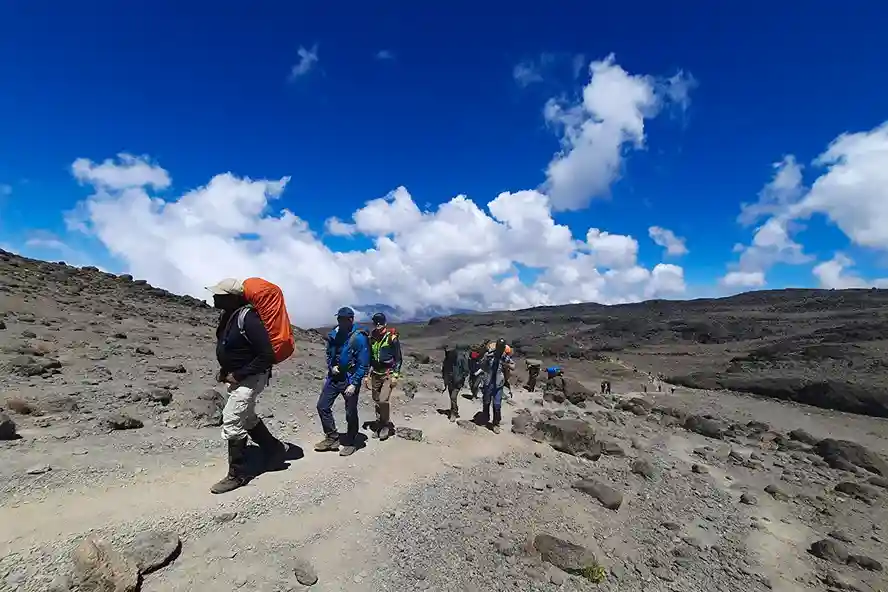
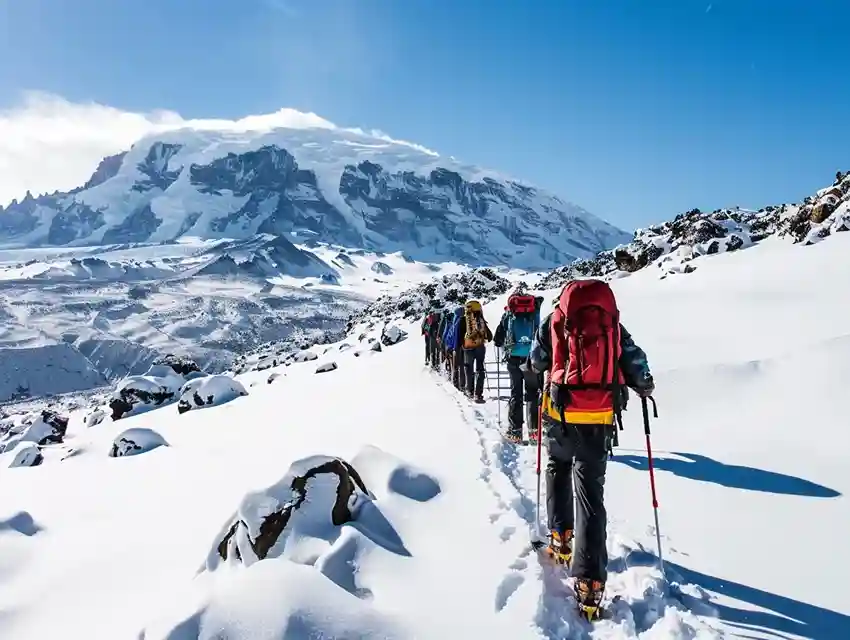
Kilimanjaro Northern Circuit Gallery
Where the Northern Circuit Runs on Kilimanjaro
The route begins from the western side of the mountain, crosses Shira and then travels around Kibo's northern slopes before joining the final summit approach.
Planning the Northern Circuit With Capable Africa Tours
Our job is to make the route clear before you commit. We look at the number of actual mountain days, the camp sequence, your arrival schedule and whether you are adding safari or Zanzibar after the climb.
- Guided Kilimanjaro climbing with an organized mountain crew
- Camping and meals according to the confirmed itinerary
- Pre-climb briefing and equipment check
- Route planning based on your available days
- Local transfers written into the booking
- Safari or Zanzibar extensions when requested
No responsible operator can promise the summit. What we can do is give you a clear itinerary, enough information to compare routes and a mountain team focused on the climb in front of them.
Is the Northern Circuit the Right Route for You?
If you have enough time for a longer Kilimanjaro itinerary and are comfortable with several nights of camping, the Northern Circuit is worth serious consideration. Send us your dates and the number of climbers, and we can compare it with Lemosho, Machame or another route before you decide.
- Longer mountain itinerary
- Quieter northern traverse
- Camping-based route
- Guided summit attempt to Uhuru Peak
- Can be combined with safari or Zanzibar
Continue Your Tanzania Trip
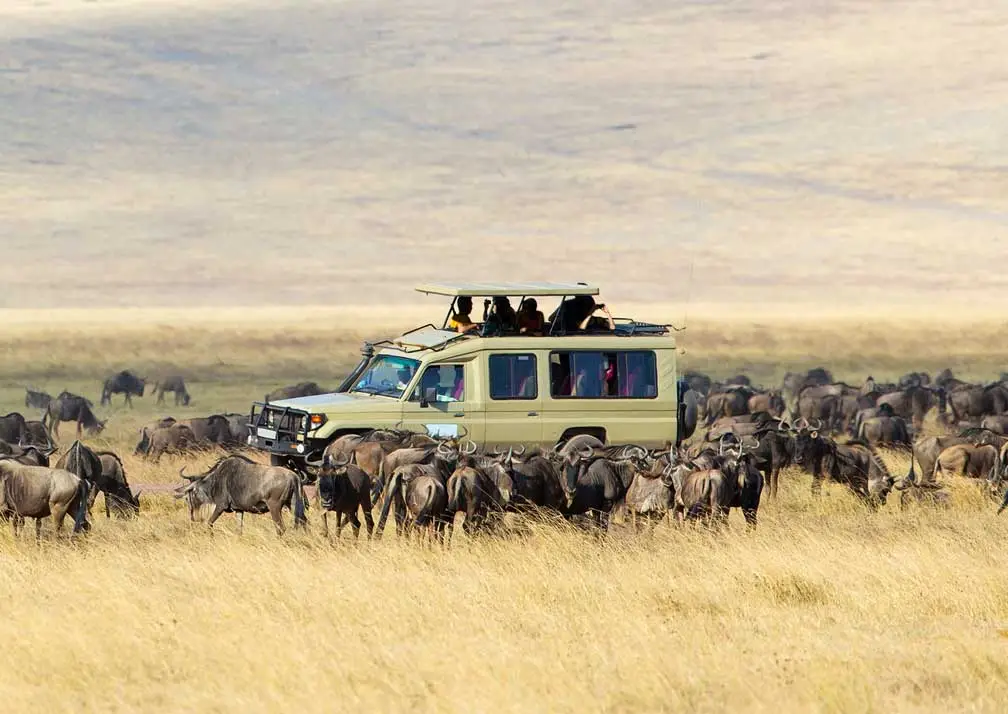
Great Migration Safaris
Add a Serengeti safari after Kilimanjaro if your schedule allows enough recovery and transfer time.
View Package →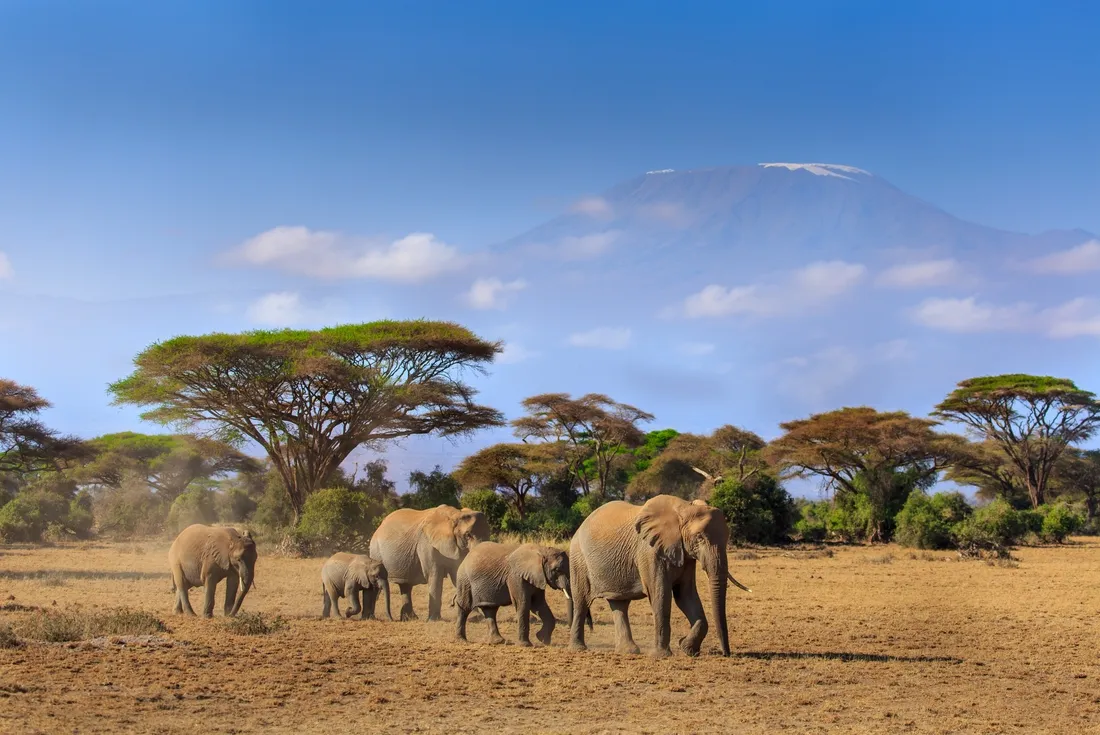
Serengeti & Kilimanjaro Trek
Plan the mountain and safari together so the order, hotel nights and transfers make sense.
View Package →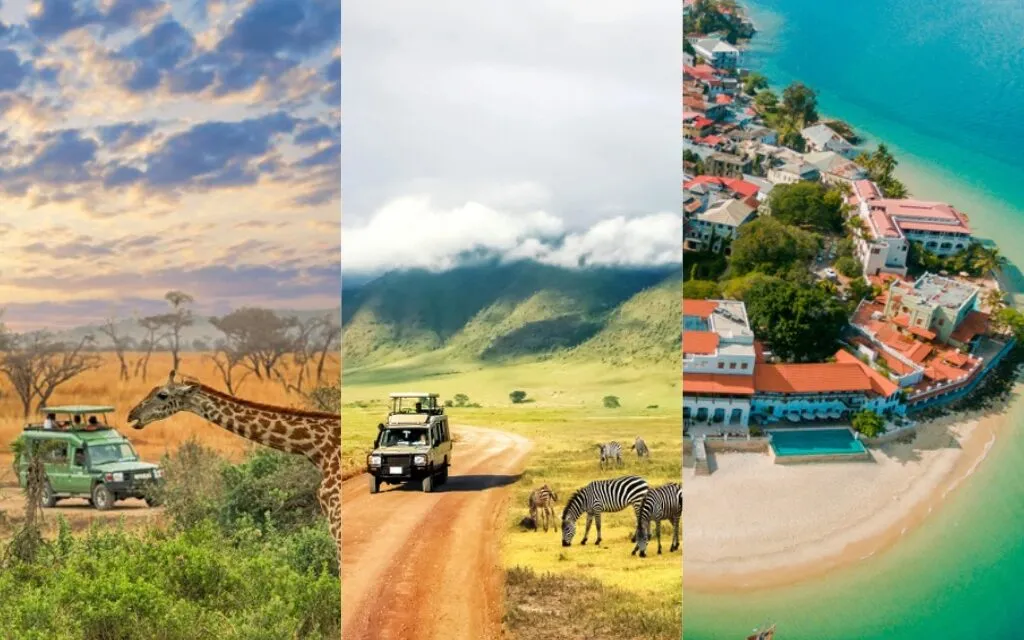
Zanzibar After Kilimanjaro
A beach stay can work well after the climb when the domestic flight and international departure are planned properly.
View Package →