8-Day Kilimanjaro Lemosho Trek in October 2026/2027
8-Day Kilimanjaro Lemosho Trek in October 2026/2027 is a high-altitude trekking programme designed around a gradual route and responsible acclimatisation. This guide explains the day-by-day profile, training, equipment, crew support, weather, altitude risk, inclusions and the decisions that change the final price. Reaching Uhuru Peak can never be guaranteed; guides must base every safety decision on the climber’s condition and mountain conditions.
Book Your Trek NowWhat the Route Adds to Acclimatisation and Scenery
- Duration: 8 Days, 7 Nights
- Destination: Mount Kilimanjaro (5,895m), Tanzania
- Main Focus: Summit Uhuru Peak, scenic landscapes, wildlife
- Tour Style: Guided trek, small groups (2–12 people)
- Best Time: October for generally drier conditions, while weather and summit outcomes remain variable
- Ideal For: Adventure seekers, trekkers, nature enthusiasts
Who This Kilimanjaro Route Suits—and the Main Trade-Offs
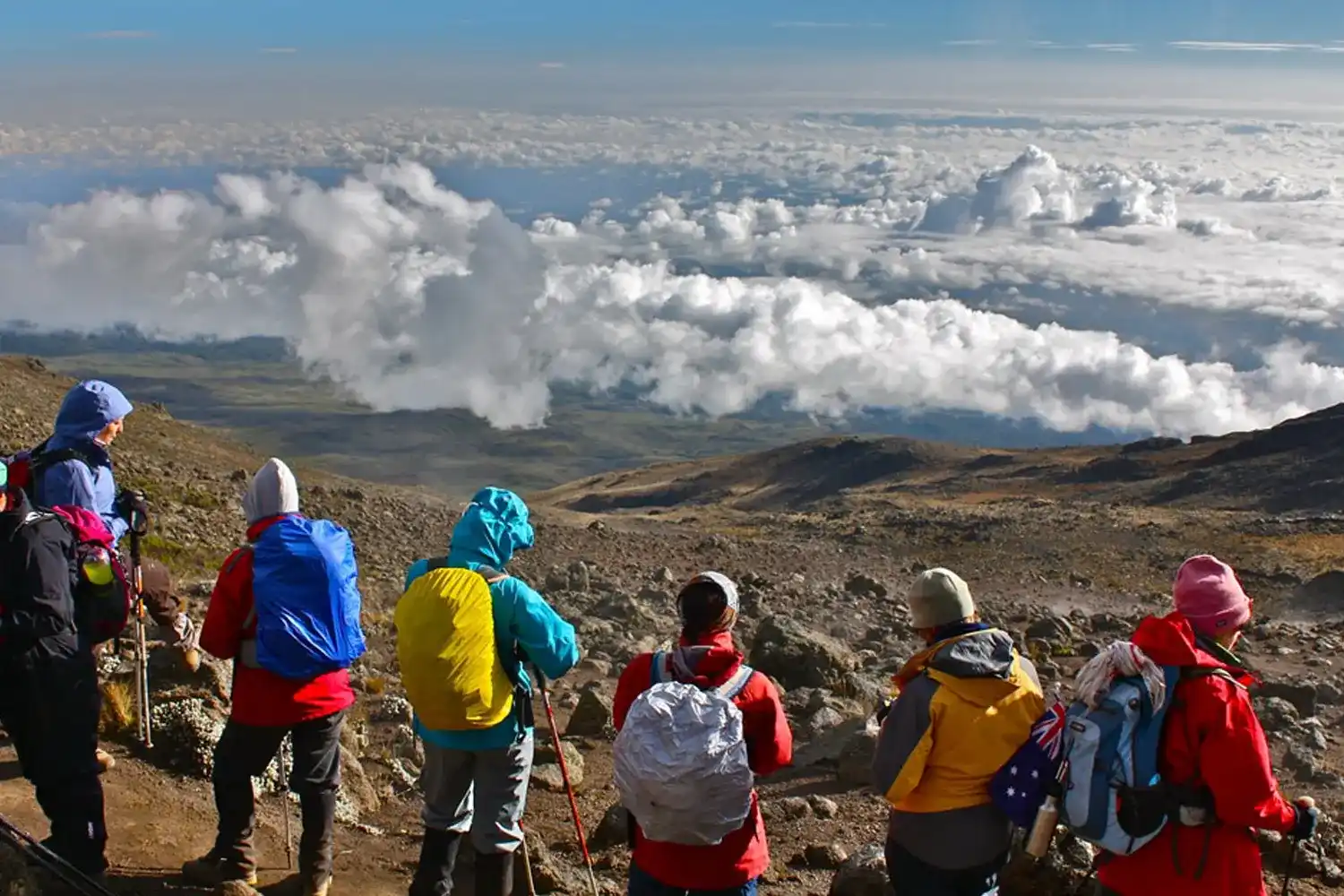
The Lemosho Route is one of the most scenic and rewarding paths for a Kilimanjaro trek in October. Spanning 8 days, this route offers a gradual ascent through diverse ecosystems—rainforests, moorlands, alpine deserts, and glaciers—supporting acclimatisation without guaranteeing a summit. October’s dry season ensures clear views of Kilimanjaro’s iconic snow-capped peak and stable weather, ideal for Tanzania trekking tours. With Capable Africa Tours, you’ll enjoy expert guides, porters, and eco-friendly camping, making this Kilimanjaro October expedition perfect for adventure seekers aiming to attempt Africa’s highest summit.
This itinerary balances challenging trekking with wide-ranging scenery, from the lush Shira Plateau to the dramatic Barranco Wall. Small group sizes ensure personalized support, while our commitment to sustainable tourism supports local communities and conservation efforts.
Day-by-Day 8-Day Lemosho Route
The eight days below are gate-to-gate trekking days. Arrival, briefing and hotel nights should be confirmed separately. October is often drier, but wind, cold, rain and cloud remain possible.
Day 1: Londorossi Gate to Mti Mkubwa Camp
Complete registration and walk through montane forest to the first camp.
Day 2: Mti Mkubwa to Shira 1 Camp
Climb out of the forest onto the western Shira Plateau at a controlled pace.
Day 3: Shira 1 to Shira 2 Camp
Cross the plateau and use the afternoon for rest or a guide-led acclimatisation walk when conditions allow.
Day 4: Shira 2 to Barranco Camp via Lava Tower
Gain height toward Lava Tower before descending to Barranco, creating a climb-high, sleep-lower profile.
Day 5: Barranco Camp to Karanga Camp
Climb the Barranco Wall and continue to Karanga, keeping the summit approach deliberately uncompressed.
Day 6: Karanga Camp to Barafu Camp
Ascend to the high camp, prepare equipment and rest before summit night.
Day 7: Barafu to Uhuru Peak and Mweka Camp
Attempt the summit only if health and conditions permit, then make a long descent to Mweka Camp.
Day 8: Mweka Camp to Mweka Gate
Descend through the forest, complete park formalities and transfer to Moshi for recovery.
Why This 8-Day Kilimanjaro Trek Stands Out
The 8-day Lemosho Route climb in Tanzania is a premier choice for Kilimanjaro October expeditions, offering a high summit success rate and wide-ranging scenery. With Capable Africa Tours, you’ll trek through diverse landscapes, from rainforests to glaciers, with expert guides ensuring safety and support. The route’s gradual ascent enhances acclimatization, making it ideal for both beginners and experienced trekkers. Eco-friendly practices and small group sizes ensure a personalized, sustainable adventure.
See the Terrain Changes from Forest to Summit Zone
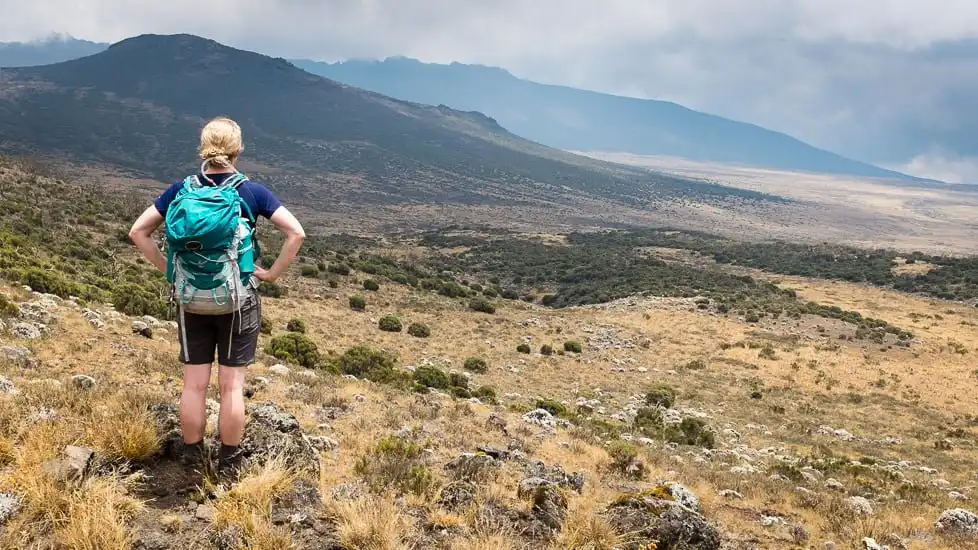
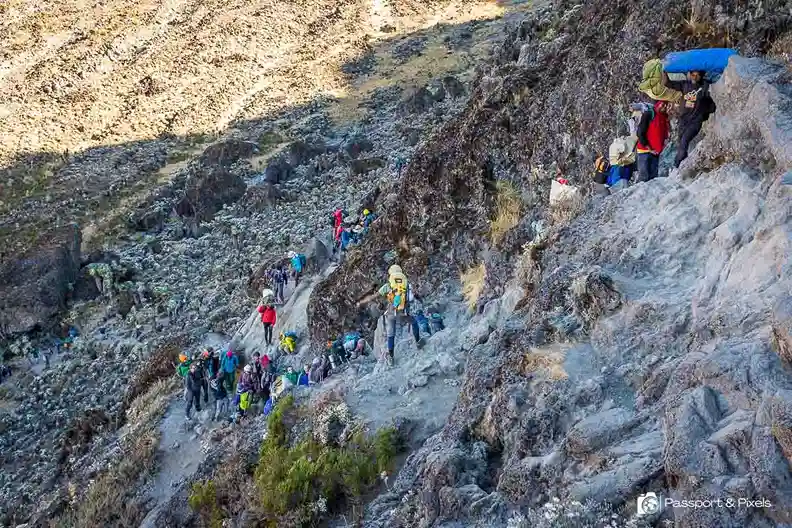
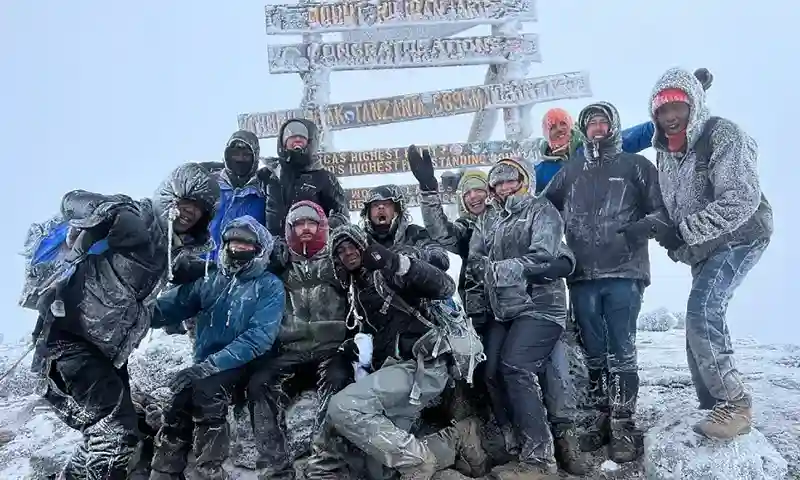
What the Trek Feels Like Day to Day
Watch the journey of a Kilimanjaro trek via the Lemosho Route, from lush rainforests to the iconic Uhuru Peak, with Capable Africa Tours.
What to Pack for Your 8-Day Kilimanjaro Trek
Packing for a Kilimanjaro trek in October requires careful planning to handle diverse climates and altitudes. Layered clothing, sturdy gear, and proper hydration are key to a successful Lemosho Route climb in Tanzania. Below is a comprehensive packing list for your summit Kilimanjaro trek package.
- Layered Clothing: Moisture-wicking base layers, fleece, waterproof jacket, and insulated parka for summit night.
- Hiking Boots: Waterproof, broken-in boots with ankle support for rocky terrain.
- Sleeping Bag: Rated for -15°C for cold summit nights.
- Trekking Poles: Collapsible poles for stability on steep ascents like Barranco Wall.
- Daypack: 25–35L for personal items, with a rain cover.
- Water System: 3L hydration bladder or bottles for daily trekking.
- Headlamp: With extra batteries for midnight summit climb.
- Sunglasses & Sunscreen: UV-protective glasses and SPF 50+ for high-altitude sun exposure.
- Personal Medications: Include altitude sickness tablets (consult a doctor).
Gear rentals (sleeping bags, poles, etc.) are available through Capable Africa Tours for convenience.
What Changes the 2026/2027 Lemosho Price
The cost of an 8-day Kilimanjaro trek via the Lemosho Route typically ranges from $2,400 to $3,500 per person, depending on group size, inclusions, and optional add-ons like gear rentals or private tours. Budget options may start lower, while luxury packages with premium campsites can exceed this range. Below is a breakdown for clarity:
- Budget Trek: $2,400–$2,800 per person (group tours, basic camping).
- Mid-Range Trek: $2,800–$3,200 per person (comfortable tents, small groups).
- Luxury Trek: $3,200–$3,500+ per person (enhanced camping, private options).
Contact us now to customize your Kilimanjaro October expedition!
8-Day Kilimanjaro Trek Price Inclusions & Exclusions
Understanding the inclusions and exclusions of your Kilimanjaro trek package ensures a smooth adventure. Capable Africa Tours provides comprehensive support, covering most essentials for your Lemosho Route climb in Tanzania. Below is a detailed breakdown.
Price Inclusions
- Round-trip transfers from Moshi
- Professional mountain guides and porters
- All Kilimanjaro National Park fees
- Full-board meals (breakfast, lunch, dinner)
- High-quality camping gear (tents, mattresses)
- Bottled water and water purification tablets
- Oxygen tanks and first aid kits
- Summit certificate upon completion
Price Exclusions
- International flights to Tanzania
- Travel or medical insurance
- Tips for guides/porters (~$15–20 pp/day, optional)
- Personal trekking gear (boots, sleeping bags, etc.)
- Optional add-ons (e.g., extra night in Moshi)
- Alcoholic beverages or personal expenses
How to Prepare for Your Kilimanjaro Trek in October
A successful Lemosho Route climb requires physical, mental, and logistical preparation. With moderate to high fitness levels and proper training, even beginners can conquer this mountain climbing adventure in Africa. Here’s how to prepare:
- Physical Training: Start 3–6 months prior with cardio (running, cycling), hiking, and strength exercises (squats, lunges).
- Altitude Acclimatization: Practice hikes at elevation if possible; the Lemosho Route’s 8 days aid acclimatization.
- Medical Check: Consult a doctor for altitude medication (e.g., Diamox) and vaccinations (e.g., yellow fever).
- Mental Preparation: Prepare for long trekking days and the challenging summit night with a positive mindset.
- Gear Testing: Break in boots and test gear on practice hikes to ensure comfort.
Capable Africa Tours provides pre-trek briefings and support to ensure you’re ready for your Kilimanjaro October expedition.
Check Training, Equipment, Insurance and Health Before Booking
Join Capable Africa Tours for an 8-day Kilimanjaro trek via the Lemosho Route in October. Conquer Uhuru Peak, enjoy stunning landscapes, and experience a life-changing adventure with expert guides and eco-friendly support.
- a strong acclimatisation profile on Lemosho Route
- Expert guides with altitude safety training
- Eco-friendly camping with full-board meals
- Small groups for personalized support
- Supports local porters and conservation efforts
Limited spots for October departures—book your summit Kilimanjaro trek package now!
Book This Trek NowRequest a Detailed 2026/2027 Kilimanjaro Quotation
Related Kilimanjaro Routes and Tanzania Extensions to Compare
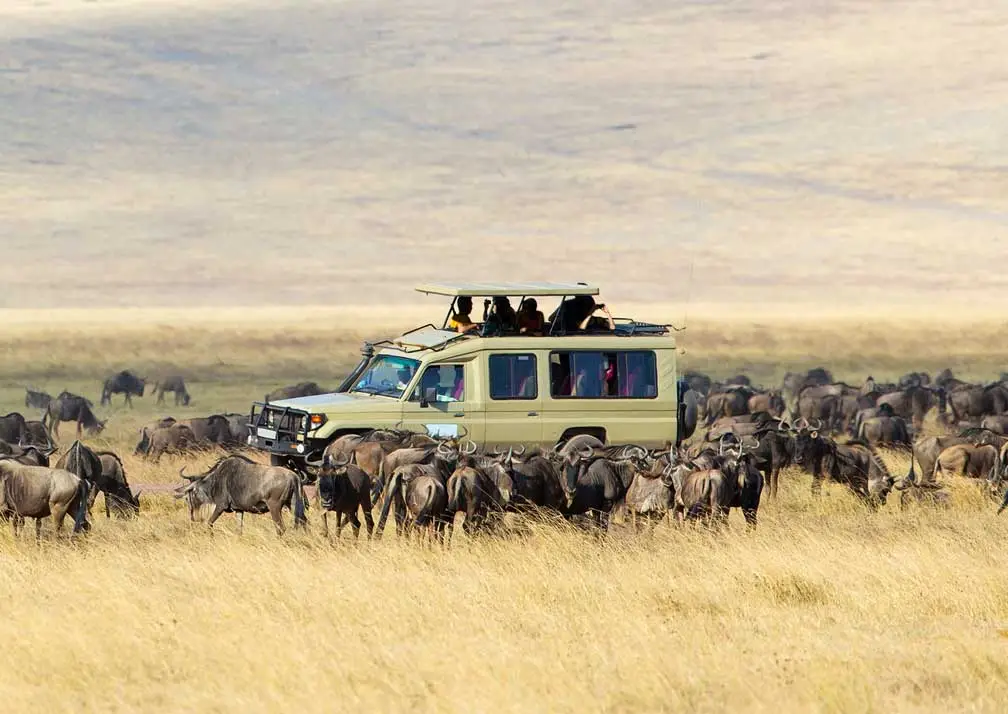
Great Migration Safaris
Experience one of nature’s greatest spectacles with our Great Migration safari packages, timed for river crossings or calving.
View Package →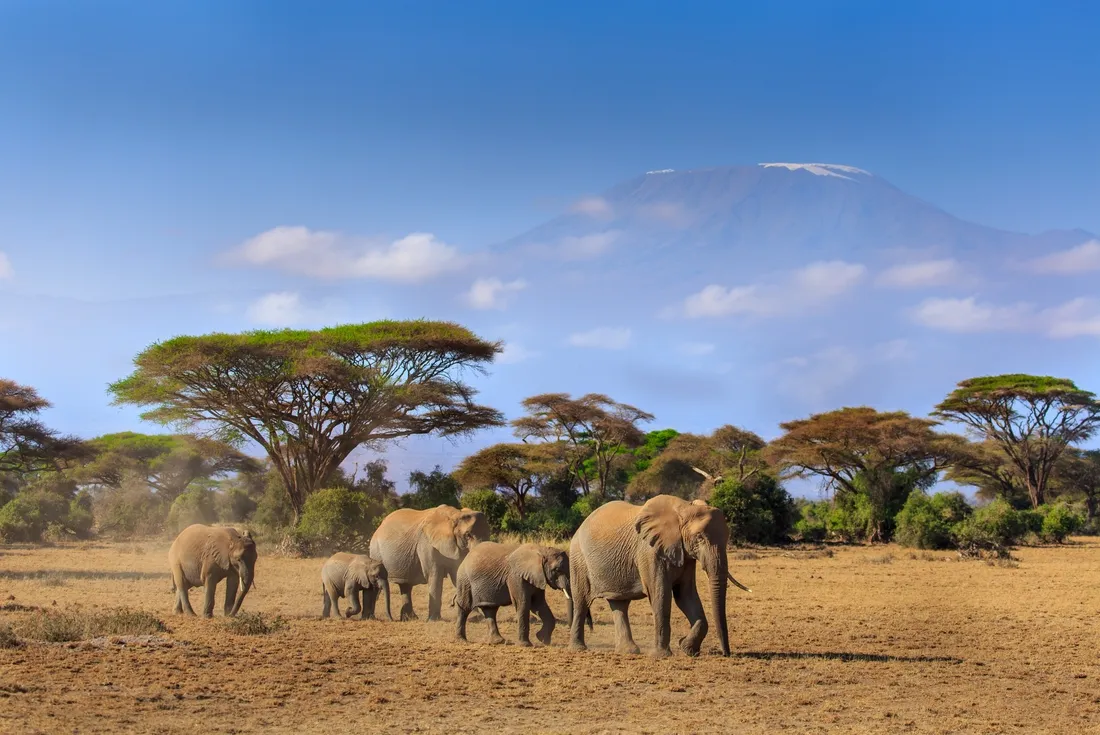
Serengeti & Kilimanjaro Trek
Combined safari and trekking tours offer wildlife adventures and Kilimanjaro climbs.
View Package →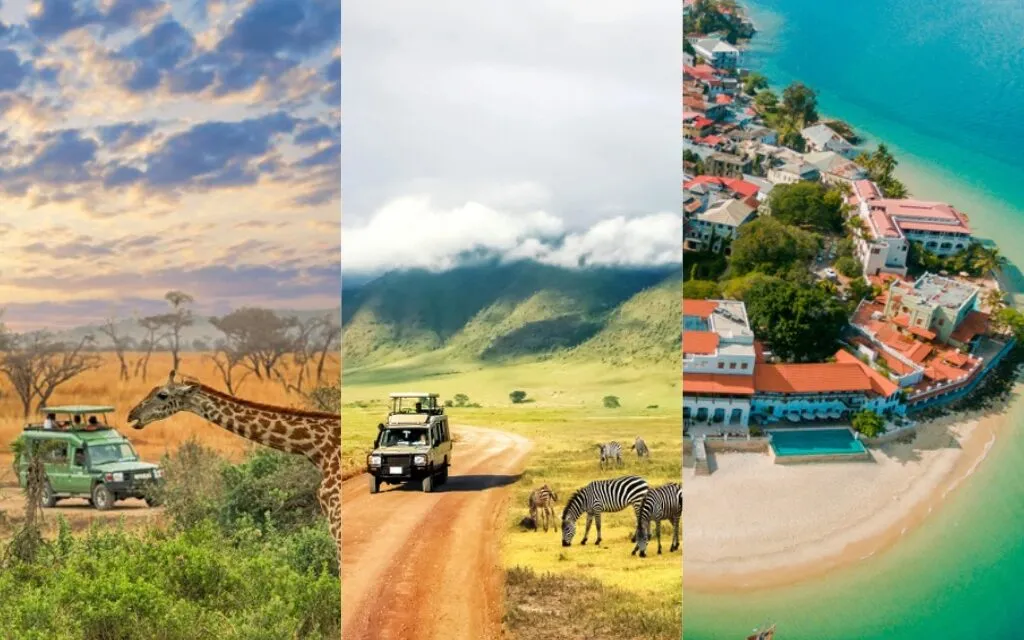
Serengeti & Zanzibar Tours
Luxury Tanzania safari & beach packages with the Great Migration and pristine beaches.
View Package →How the 8-Day Mountain Schedule Supports Acclimatisation
| Duration | 8 days / 7 nights |
|---|---|
| Core route | Lemosho or Northern Circuit trekking through rainforest, heath, alpine desert and the summit zone |
| Best suited to | fit trekkers who prefer a gradual mountain schedule and can train consistently before travel |
| Main trade-off | A longer route costs more and requires more leave, but it normally provides a better acclimatisation profile than compressed schedules. |
| Price changes with | park and rescue fees, crew size, wages and welfare standards, hotel nights, transfers, group size, equipment rental and private-toilet or comfort upgrades |
The confirmed itinerary should show each overnight location, expected transfer method and whether game-drive time is available on transfer days. A named lodge or camp is a recommendation until availability and price are confirmed in writing; a comparable alternative should be discussed before payment.
Accommodation, Transport and Season Decisions That Change the Trip
Acclimatisation and safety
The route’s extra days help the body adapt, but altitude illness can affect any climber regardless of fitness or previous success. Walk slowly, hydrate normally, report symptoms early and follow the lead guide’s decision. Descent is the correct response when symptoms or vital signs make continued ascent unsafe.
Training and equipment
Prepare with regular hill walking, back-to-back training days and time carrying a light daypack. Confirm sleeping-bag temperature rating, waterproof layers, warm gloves, headlamp, broken-in boots, trekking poles and personal medication. Rental quality and sizes should be checked before departure.
Crew and quote checks
Ask how guide ratios, porter welfare, meals, medical checks, emergency oxygen, communication, park rescue fees, transfers, hotel nights and tips are handled. A lower headline price can exclude important services or depend on an unusually large group.
Common Planning Mistakes—and Better Alternatives
- Choosing a route by summit percentage instead of acclimatisation profile and safety systems.
- Arriving with new boots or untested waterproof and cold-weather layers.
- Hiding headache, nausea, unusual fatigue or balance problems from the guide.
- Booking a same-day international flight after returning from the mountain.