
Eco-Friendly Safari Lodges in Tanzania 2026/2027: How to Verify Sustainability
An eco-friendly safari lodge should demonstrate more than solar panels and reusable bottles. Look for measurable water and waste systems, responsible building design, local employment and procurement, wildlife-safe operations, transparent community partnerships and independent assessment where available. This guide explains how to verify claims rather than relying on an unranked “top eco-lodge” list.
Discover Sustainable Safaris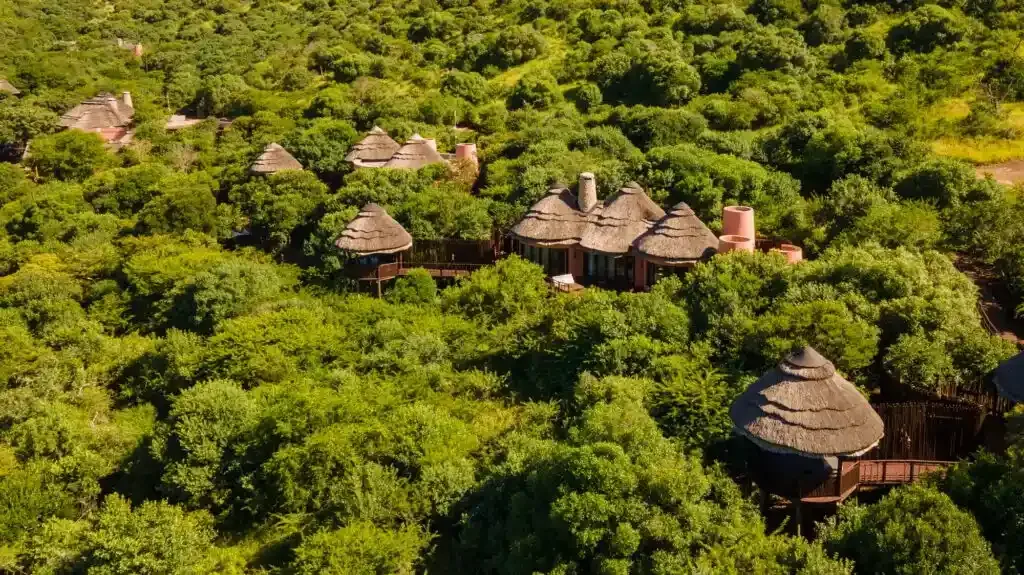
What “Eco-Friendly” Should Mean on a Tanzania Safari
Tanzania is a leader in sustainable tourism, offering eco-friendly safari lodges that combine luxury with environmental stewardship. These lodges use renewable energy, water conservation systems, and locally sourced materials while supporting local communities through employment and conservation initiatives. Whether you’re exploring the Serengeti’s Great Migration or the Ngorongoro Crater’s Big Five, staying at an eco-lodge ensures your adventure leaves a positive impact. Capable Africa Tours curates itineraries with top eco-lodges to deliver unforgettable, responsible travel experiences.
Why Choose Eco-Friendly Safari Lodges?
Eco-friendly lodges reduce environmental impact through sustainable practices like solar power, rainwater harvesting, and waste recycling. They also contribute to conservation efforts and empower local communities by providing jobs and funding projects like schools and clinics. Choosing these lodges means you’re supporting Tanzania’s wildlife and people while enjoying a comfortable, immersive safari experience.
How to Build a Verified Lodge Shortlist Instead of Trusting a Ranking
Here’s a curated list of Tanzania’s best eco-friendly safari lodges, each offering unique sustainable features and wildlife experiences. Capable Africa Tours partners with these lodges to ensure your stay aligns with green travel principles.
- Serengeti Serena Safari Lodge (Serengeti): Powered by solar energy, this lodge uses biodegradable products and supports local Maasai communities. Rates: $300–$600 per night. Features: Infinity pool, eco-guided walks, and cultural tours.
- Ngorongoro Wild Camp (Ngorongoro): A tented camp with rainwater harvesting and low-impact design. Rates: $200–$450 per night. Features: Private verandas, organic dining, and proximity to the crater.
- Chumbe Island Coral Park (Zanzibar): An eco-lodge with coral reef conservation programs and zero-waste policies. Rates: $250–$500 per night. Features: Eco-bungalows, snorkeling, and forest trails.
- Ruaha River Lodge (Ruaha): Built with local materials and solar-powered, it supports anti-poaching initiatives. Rates: $350–$700 per night. Features: Riverside views, guided safaris, and stargazing.
- Tarangire Treetops (Tarangire): Elevated treehouses with solar power and water recycling. Rates: $400–$800 per night. Features: Private decks, elephant sightings, and eco-tours.
Energy, Water, Waste, Habitat and Fair Employment
Eco-friendly lodges in Tanzania are designed to minimize environmental impact while offering comfort and authenticity. Here are the key features that set them apart:
- Renewable Energy: Solar panels and wind energy reduce carbon footprints.
- Water Conservation: Rainwater harvesting and greywater recycling systems.
- Sustainable Materials: Locally sourced wood, stone, and biodegradable products.
- Community Support: Employment of local staff and funding for schools, clinics, and conservation projects.
- Low-Impact Design: Tented camps and elevated structures to minimize land disturbance.
- Wildlife Conservation: Partnerships with anti-poaching units and wildlife research programs.
Why Remote Low-Impact Operations Can Cost More
Eco-friendly lodges cater to various budgets, from affordable tented camps to luxury eco-retreats. Here’s a breakdown of costs with Capable Africa Tours:
- Budget Eco-Lodges: $150–$300 per person per night. Includes basic tented camps with shared facilities and eco-friendly practices.
- Mid-Range Eco-Lodges: $300–$600 per person per night. Offers comfortable lodges with private bathrooms and sustainable dining.
- Luxury Eco-Lodges: $600–$1,200+ per person per night. Features upscale amenities like private pools, gourmet meals, and eco-guided tours.
Additional Costs:
- Park Fees: $30–$100 per person per day.
- Transfers: $50–$200 for domestic flights or private transfers.
- Activities: $50–$500 for hot-air balloon rides, cultural tours, or guided hikes.
Published sustainability percentages need a stated baseline, method and date. Where evidence is unavailable, compare the lodge’s actual energy, water, waste and community practices instead.
Where Responsible Lodges Can Create Real Local Value
Opting for eco-friendly lodges offers qualitative and quantitative benefits for travelers and the environment:
- Environmental Impact: Look for measured reductions in fuel, water and waste with a clear baseline and reporting period.
- Community Empowerment: Over 70% of lodge staff are locals, and 15% of profits fund community projects like schools and wells.
- Authentic Experiences: Cultural tours and interactions with Maasai or Hadzabe communities enrich your safari.
- Wildlife Preservation: Credible lodges explain which patrols, research or habitat projects they fund and how results are monitored.
- Healthier Ecosystems: Sustainable practices preserve habitats, ensuring wildlife thrives for future generations.
Eight Questions That Expose Greenwashing
Selecting the perfect eco-friendly lodge ensures a sustainable and enjoyable safari. Here are practical tips from Capable Africa Tours:
- Check Certifications: Look for EcoTourism Tanzania, Green Globe, or LEED certifications for verified sustainability.
- Research Location: Choose lodges near your target parks (e.g., Serengeti for migration, Tarangire for elephants).
- Review Amenities: Ensure the lodge offers desired comforts like private bathrooms, Wi-Fi, or gourmet dining.
- Ask About Community Impact: Confirm the lodge supports local communities through employment or projects.
- Book Early: Eco-lodges have limited capacity, so reserve 6–12 months in advance, especially for peak season (June–October).
- Pack Sustainably: Bring reusable water bottles, eco-friendly toiletries, and avoid single-use plastics.
How to Check Whether Conservation Claims Are Accountable
Some lodges fund patrols, wildlife research, habitat restoration or environmental education, but the scale and results differ. Ask for named partners, recent reports and a clear explanation of how guest revenue is used instead of relying on unsourced population or tree-planting claims.
Explore More Tanzania Safari Adventures
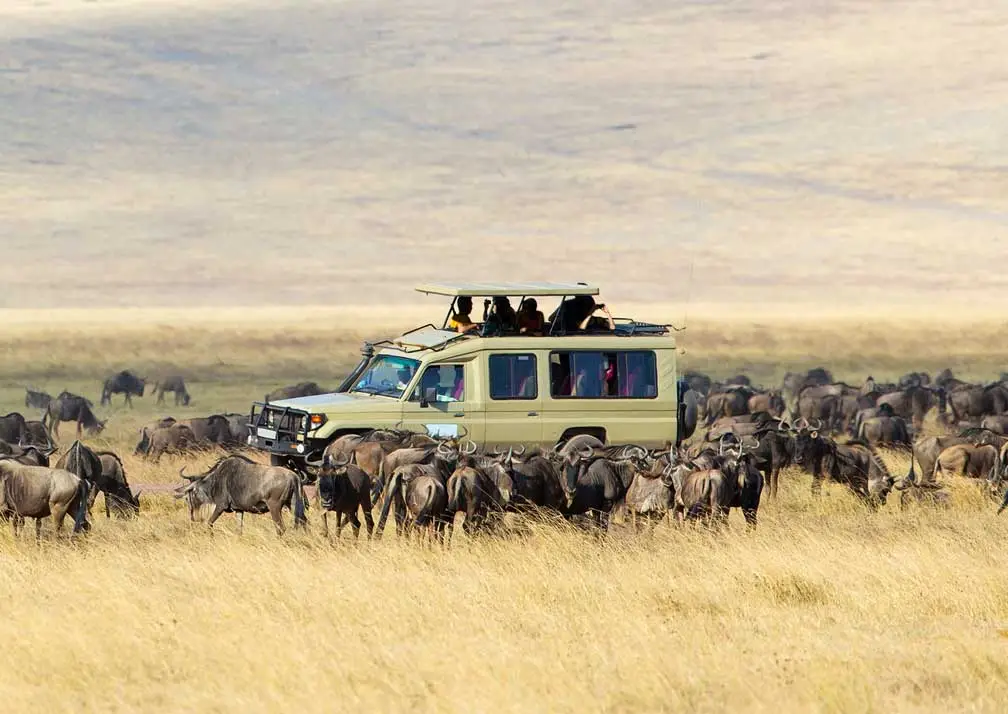
Great Migration Safaris
Experience one of nature’s greatest spectacles with our Great Migration safari packages, timed for river crossings or calving.
View Package →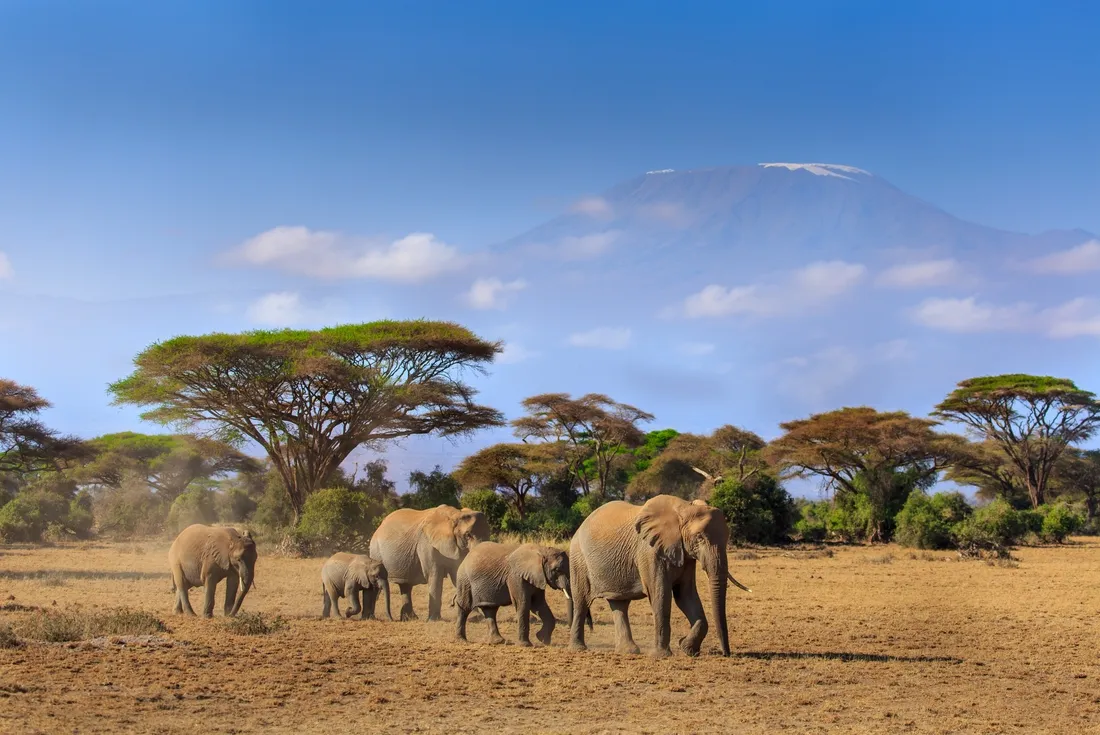
Serengeti & Kilimanjaro Trek
Combined safari and trekking tours offer wildlife adventures and Kilimanjaro climbs.
View Package →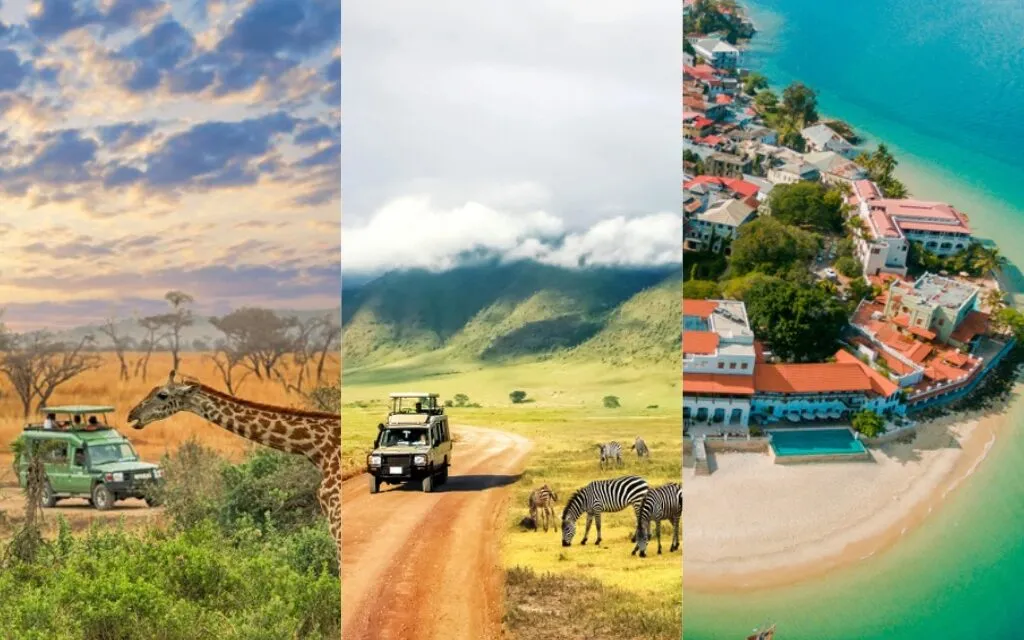
Serengeti & Zanzibar Tours
Luxury Tanzania safari & beach packages with the Great Migration and pristine beaches.
View Package →Request a Route With Verified Responsible-Lodge Options
Ready to explore Tanzania’s wildlife sustainably? Capable Africa Tours offers tailor-made eco-friendly safaris with expert guides, green lodges, and itineraries that support conservation and communities. From Serengeti to Zanzibar, we’ll craft a guilt-free adventure that matches your budget and values.
- Transparent guest feedback and sustainability checks
- Partnerships with Certified Eco-Lodges
- Local Guides Trained in Sustainable Tourism
- Carbon-Neutral Safari Options Available
- Seamless Eco-Safari and Beach Combos