
Lake Manyara National Park
Groundwater forest, lake-edge and woodland habitats create useful variety, although water levels and access change.
Tanzania safari
This four-night 2026/2027 guide to tanzania birdwatching safari explains how the route works, who it suits, what wildlife or experiences are realistic, how season and transport affect the plan, and which costs and inclusions should be confirmed before booking. The emphasis is on usable travel time, honest trade-offs and an itinerary that matches your dates rather than a rushed checklist of destinations.
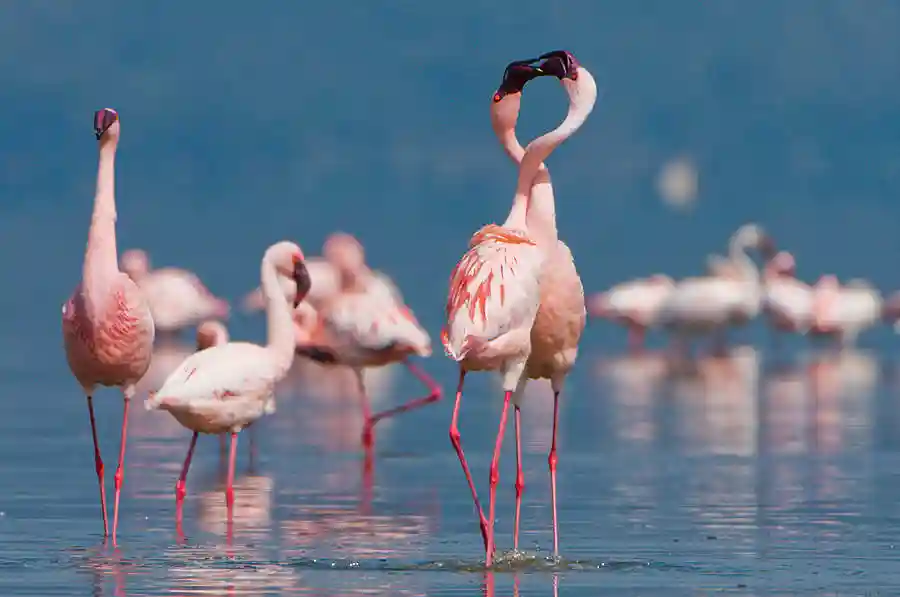
A birdwatching safari should prioritize habitat diversity and slower game drives. Lake Manyara, Tarangire, Ngorongoro and Serengeti can be combined according to season, road conditions and target species.
Best for: birders, nature photographers, repeat visitors, green-season travelers and guests who enjoy detailed natural-history interpretation.
Groundwater forest, lake-edge and woodland habitats create useful variety, although water levels and access change.
Excellent habitat diversity with woodland, river, swamp and open-country species.
Adds montane, grassland, wetland and crater-floor birding within a compact geographic area.
Strong for raptors, bustards, secretary birds, vultures and many open-plains species, with seasonal variation.
These existing destination itineraries are the closest route matches. The exact overnight region and park sequence should be adjusted for season, wildlife movement and available accommodation.
Compare every 5-day destination itinerary.
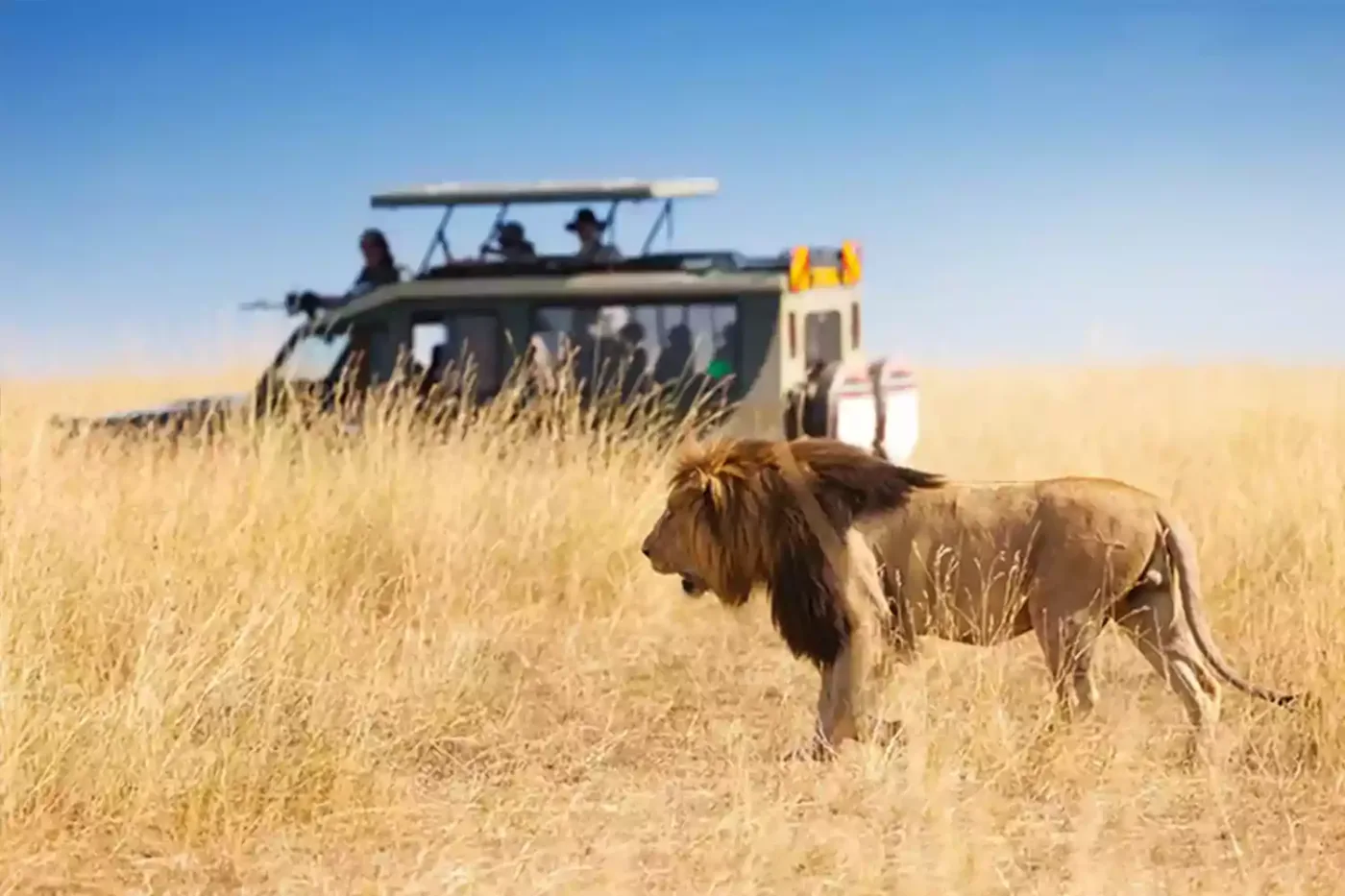
This is the classic 5-day Northern Tanzania safari for travelers who want the best variety in a limited time. It combines Tarangire’s elephants, Lake Manyara’s forest and...
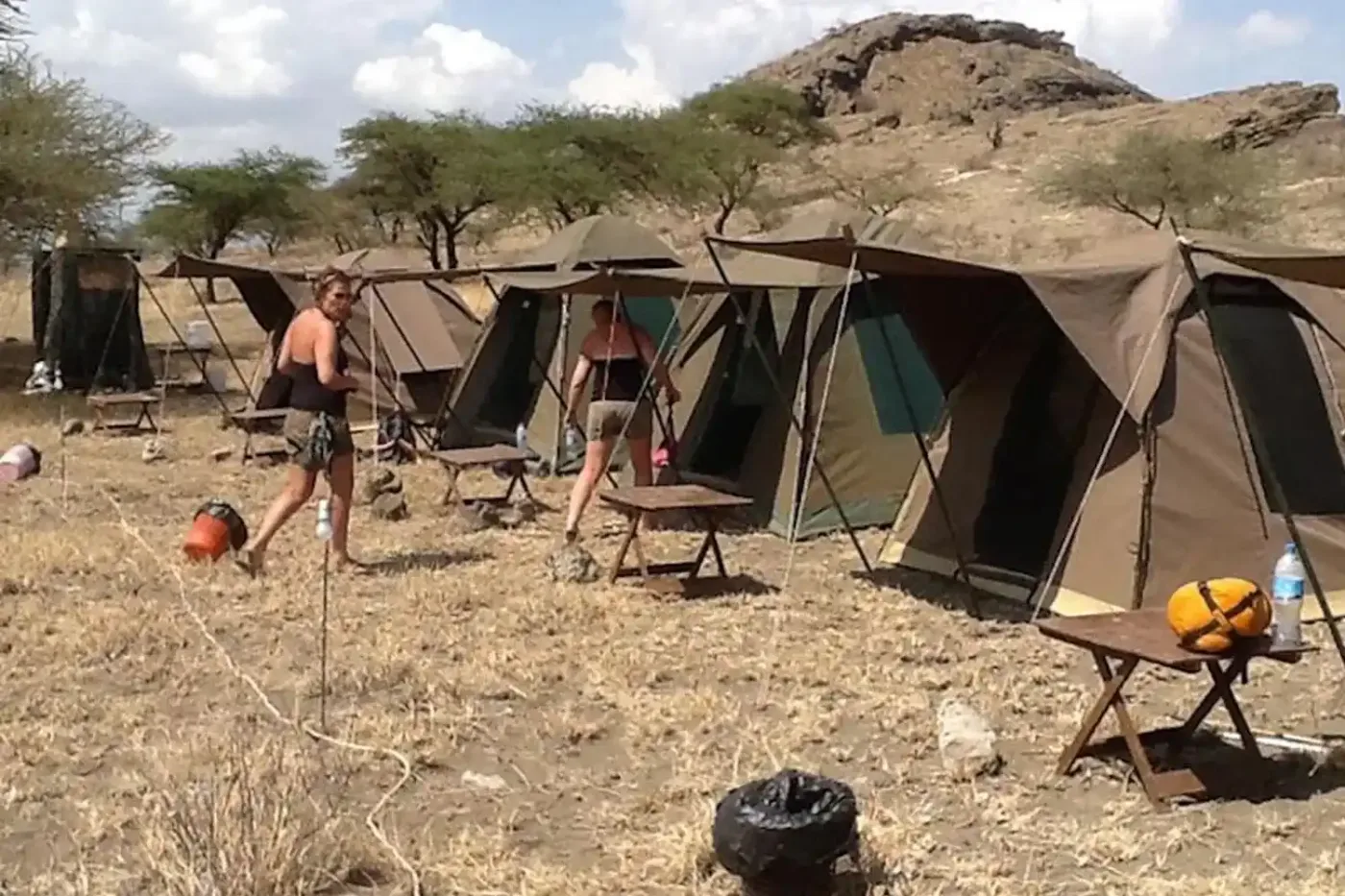
This no-Serengeti route is designed for travelers who prefer shorter transfers, better rest, and deeper time around Tarangire, Ngorongoro, and Lake Manyara. It is a good choice for...
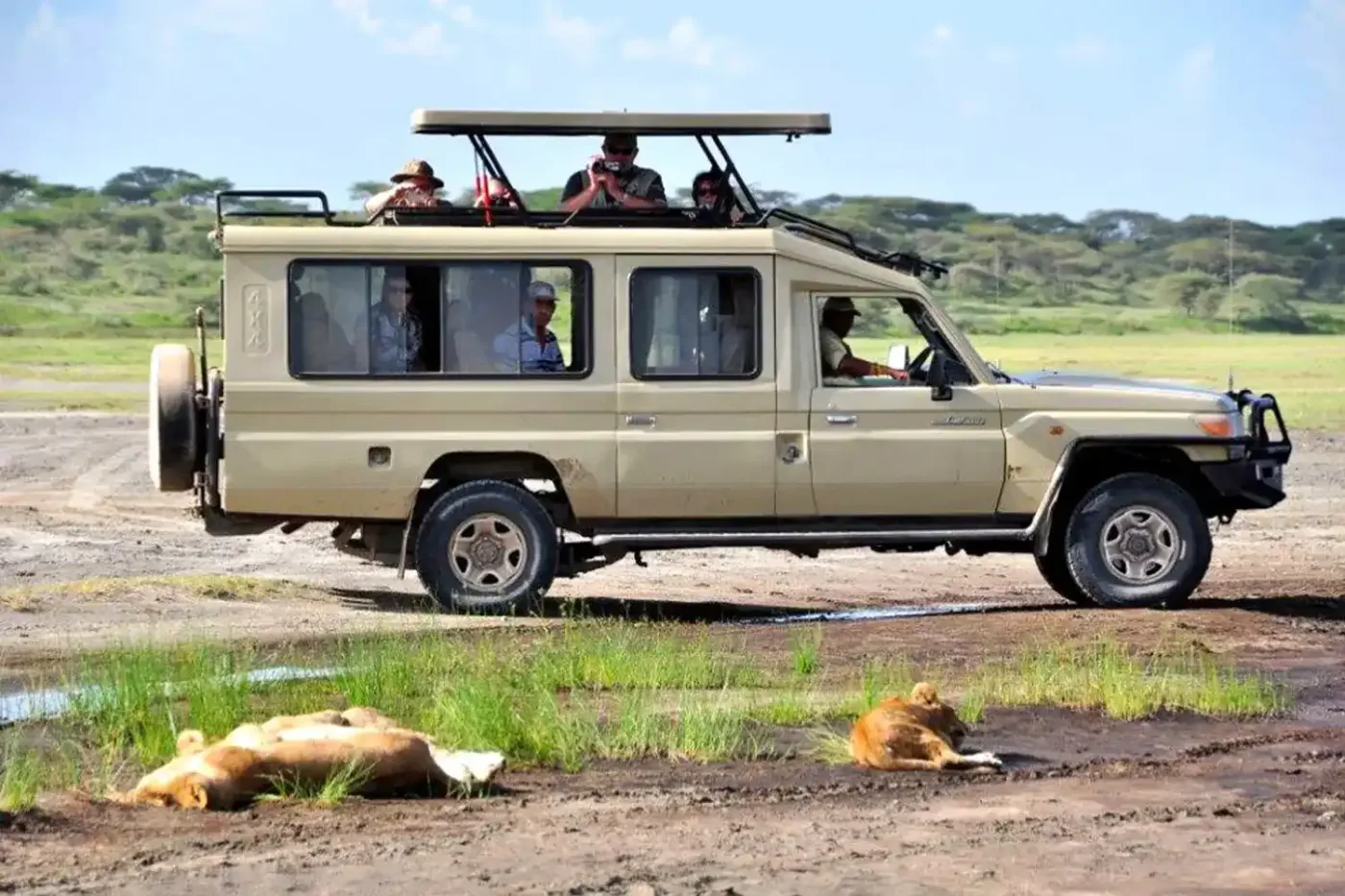
This is one of the most practical 5-day routes because it adds Tarangire without weakening the Serengeti and Ngorongoro experience too much. It is popular with travelers who...
Lake Manyara.
Tarangire.
Serengeti open-country birds.
Serengeti raptors and transfer.
Ngorongoro crater and highlands.
This example is flexible. Wildlife distribution, rainfall, road conditions and park rules may require the guide to adjust daily priorities.
Tell the operator whether you are a beginner, keen birder or specialist. A bird-focused guide, window position, binoculars and a route that allows frequent stops are more important than covering many kilometers.
Wildlife moves naturally. Choose the best habitat and season, but avoid operators promising a specific animal or event.
Do not pressure the guide to crowd, chase, surround or block animals for a photograph.
Remain on permitted roads, observe speed limits and follow instructions from guides and wildlife authorities.
Longer, quieter viewing often reveals more behavior than repeatedly moving between crowded sightings.
The quotation is mainly influenced by specialist guide availability, private vehicle use, number of habitats, remote locations, accommodation and whether dawn walks or additional activities are included.
Ask for an itemized price showing park and conservation fees, accommodation, vehicle type, guide service, transfers, flights and any specialist arrangements.
Return to the main duration pillar for destination, cost, season and route comparisons.
Compare departures from Arusha, Moshi, Zanzibar and Kilimanjaro International Airport.
Compare private, luxury, budget, camping, lodge, fly-in and group joining options.
Share your dates, target experience, photography needs and preferred accommodation level.
June to October is generally drier, with easier roads and concentrated wildlife around water. November to May brings greener scenery, migratory birds and seasonal wildlife events, but showers and road conditions require a more flexible plan.
A well-paced five-day safari normally includes four nights, one major transfer day and at least one full day in the main wildlife area. The best route is not the one with the most park names; it is the one that protects useful game-viewing hours and places accommodation close to the next day’s activity. Confirm pickup time, the exact overnight properties, road or flight sectors, baggage limits and the final-day connection in writing.
Remain inside the vehicle unless a guide confirms a designated safe place, never feed wildlife and follow park rules around distance, noise and off-road driving. At migration crossings or predator sightings, patient viewing is safer and more responsible than joining a vehicle rush.
Last updated: 29 July 2026. Prepared and reviewed by: Capable Africa Tours’ Tanzania planning and operations team. We review route pace, seasonal access, park and activity rules, transport dependencies and wildlife uncertainty. Final accommodation, flights, permits, prices and cancellation terms are confirmed in writing before payment.
Yes. Five days can provide a strong safari when the route protects at least one full day in the main wildlife area and avoids trying to visit too many distant parks.
For many first-time travelers, Tarangire, Serengeti and Ngorongoro is the best-balanced road route. A focused Serengeti and Ngorongoro plan gives more time in each destination.
The final cost depends on group size, accommodation, season, park fees, vehicle type and flights. Request an itemised quote rather than relying on a headline price.
June to October is generally drier, with easier roads and concentrated wildlife around water. November to May brings greener scenery, migratory birds and seasonal wildlife events, but showers and road conditions require a more flexible plan.
Private safaris give control over pace and stops. Group safaris reduce the vehicle cost but use fixed dates, shared space and a group schedule.
Check accommodation, meals, park and crater fees, vehicle, guide, water, transfers, domestic flights where applicable, and every exclusion or optional activity.
Share your travel month, group size, starting point, accommodation preference and the wildlife experience that matters most. We will recommend a realistic route and itemized quotation.
Keep exploring
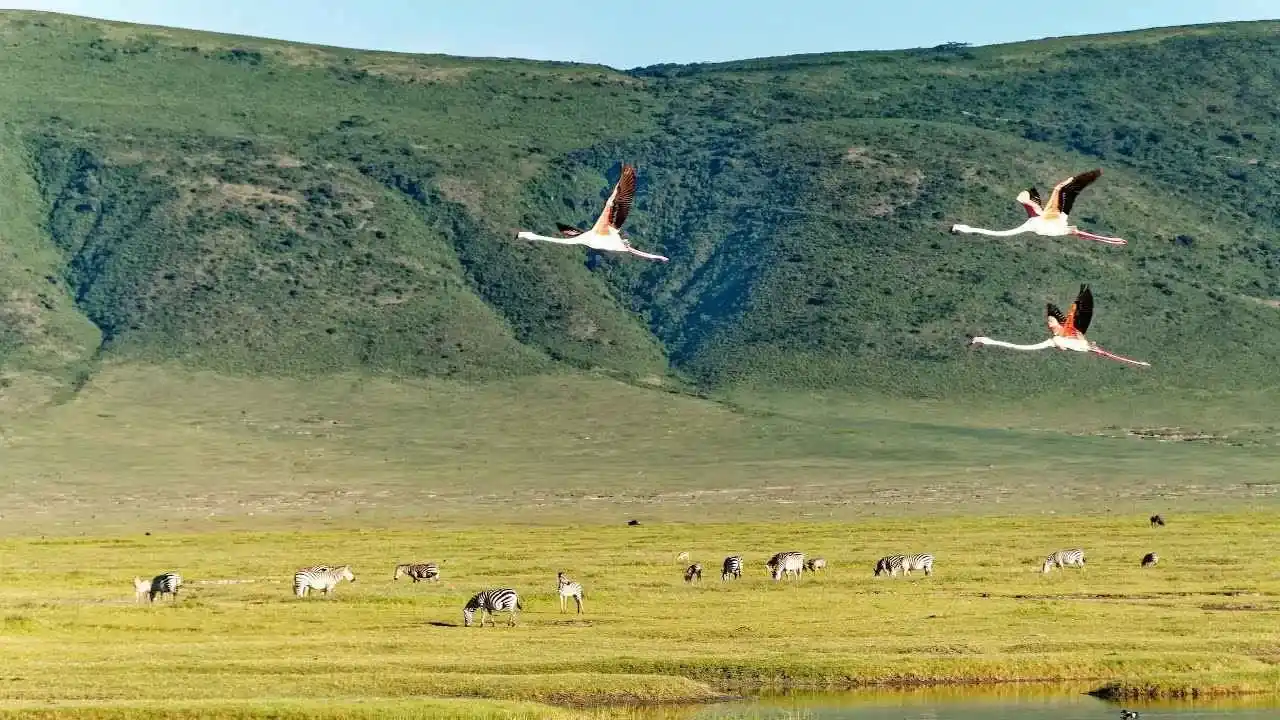
Prioritize the habitats that improve opportunities for lion, leopard, elephant, buffalo and black rhino without treating sightings as guaranteed.
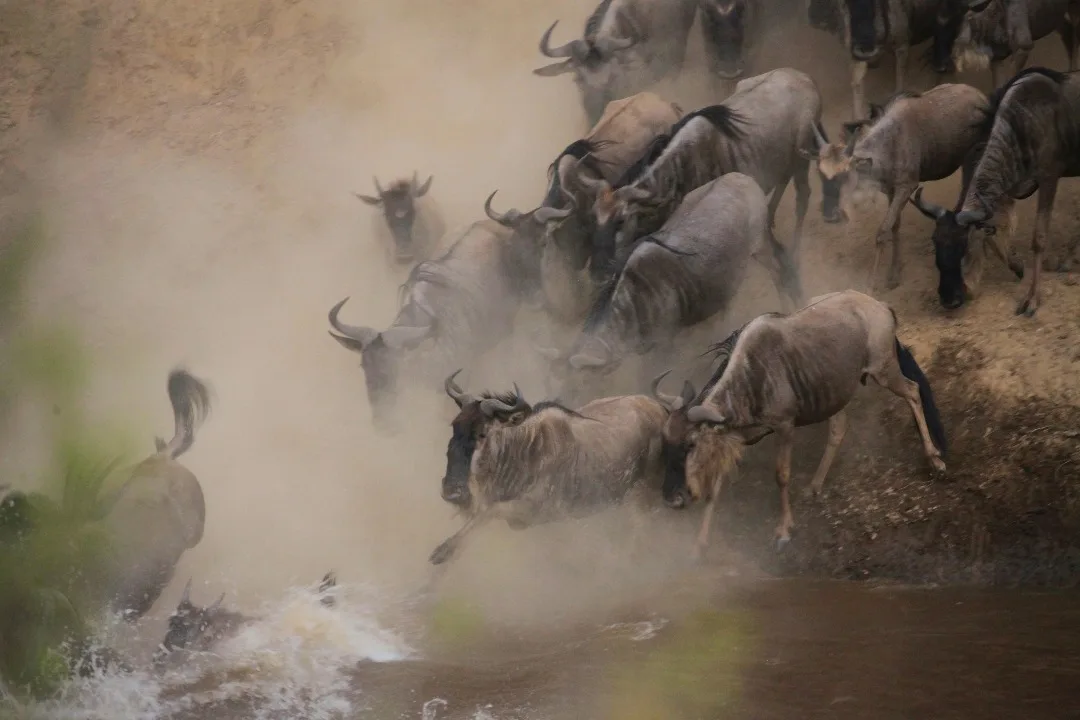
Match the Serengeti region to the travel month and rainfall pattern, with enough time in the field for natural movement rather than a promised single event.
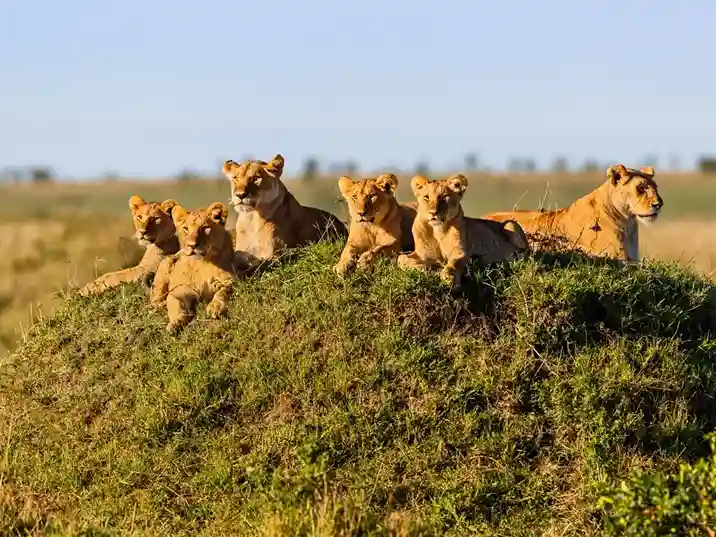
Allocate more time to Serengeti and Ngorongoro, use early starts and focus on behavior, habitat and patient observation of big cats and other carnivores.
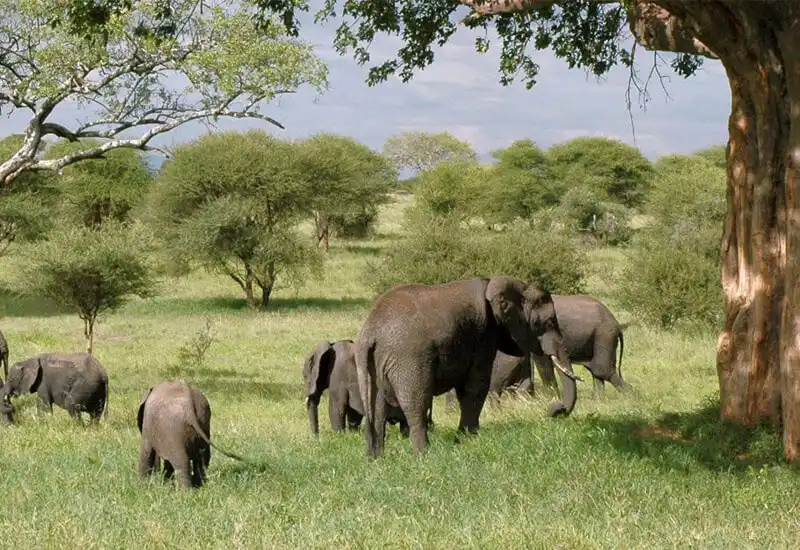
Build the route around Tarangire and complementary Northern Circuit habitats for elephant herds, family behavior, baobab scenery and river-based wildlife.
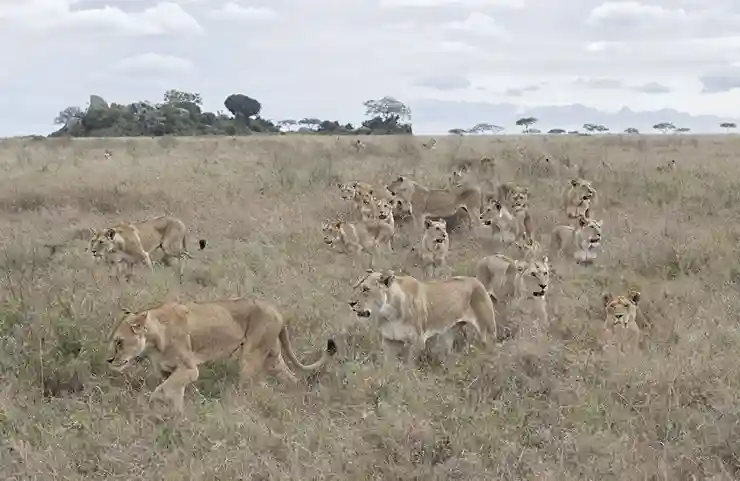
Protect golden-hour game drives, reduce unnecessary park changes and plan vehicle space, guide positioning, equipment charging and luggage carefully.
Use these supporting pages to compare the same duration by wildlife priority rather than only by destination.