6-Day Kilimanjaro Climb via Umbwe Route 2026/2027
The 6-Day Kilimanjaro Climb via Umbwe Route 2026 is an intense and direct adventure for experienced trekkers seeking a challenge. Known as the steepest and most demanding trail, the Umbwe Route offers rapid altitude gain, fewer crowds, and dramatic forest and ridge views. Over six days, climbers ascend through lush rainforest, rocky ridges, and alpine desert before reaching Uhuru Peak, the highest point in Africa. This Kilimanjaro Climb via Umbwe Route 2026 demands excellent fitness and determination but rewards with unmatched scenery, solitude, and a true sense of accomplishment on one of the mountain’s most thrilling routes.
Book Your Climb NowUmbwe Route Kilimanjaro Climb 2026 Highlights
- Duration: 6 Days, 5 Nights
- Destination: Kilimanjaro National Park, Tanzania
- Main Focus: Uhuru Peak summit trek, challenging terrain
- Tour Style: Guided trek, small groups (2–10 people)
- Best Time: January–March, June–October for 80% summit success
- Ideal For: Experienced trekkers, adventure seekers
Who This Six-Day Trip Suits—and Why
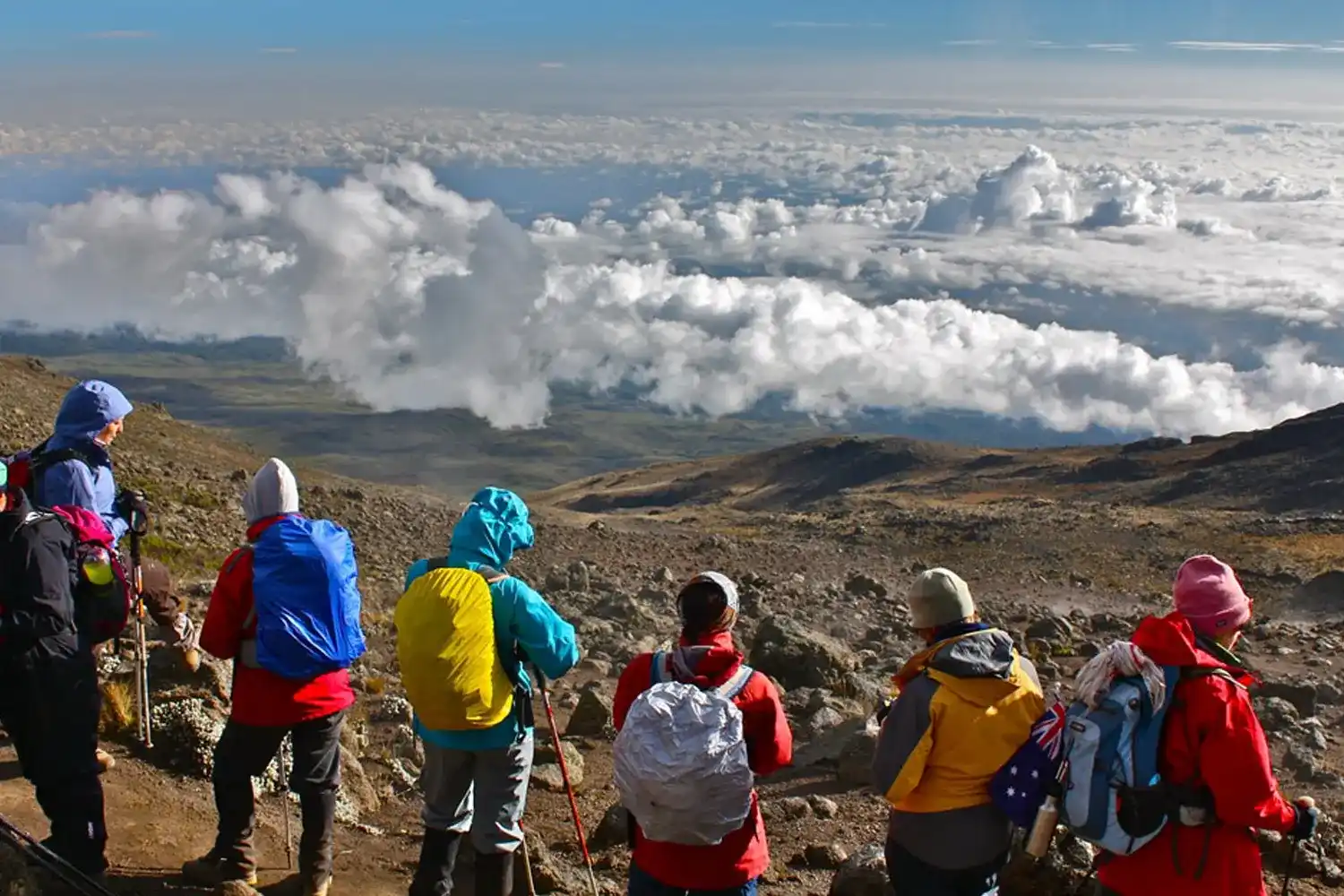
The 6-day Kilimanjaro climb via Umbwe Route is perfect for experienced trekkers seeking a challenging, less crowded path to Uhuru Peak. Known as the steepest Kilimanjaro route, Umbwe offers a direct ascent through dense rainforests, rugged ridges, and stunning alpine zones. With Capable Africa Tours, you’ll have expert guides, porters, and comprehensive support to tackle this fast ascent Kilimanjaro route. Despite its difficulty, the Umbwe Route rewards trekkers with breathtaking views and a 70–summit outcomes vary by route, acclimatisation, weather and individual response, making it a top choice for Tanzania mountain climbing tours.
This itinerary balances intense trekking with strategic rest stops to aid altitude acclimatization on Umbwe Route, ensuring safety and maximizing your chances of reaching Africa’s highest peak. Whether you’re drawn to the challenge or the solitude, this guided Kilimanjaro expedition delivers an memorable adventure.
How the Six-Day Itinerary Works, Day by Day
Our 6-day Kilimanjaro climb via Umbwe Route is carefully crafted to optimize your summit success while navigating the challenging terrain of Kilimanjaro National Park, Tanzania. Below is a day-by-day breakdown of your Uhuru Peak summit trek.
Day 1: Arrival in Moshi
Your 6-day Kilimanjaro climb via Umbwe Route begins in Moshi, the gateway to Kilimanjaro National Park. Arrive at Kilimanjaro International Airport (JRO) and transfer to your hotel in Moshi. Relax and attend a pre-climb briefing with your expert guide to prepare for the challenging trek ahead.
- Activities: Airport transfer, pre-climb briefing
- Highlights: Cultural introduction, trek preparation
- Meals: Dinner at hotel
- Accommodation: Moshi hotel
Day 2: Umbwe Gate to Umbwe Cave Camp
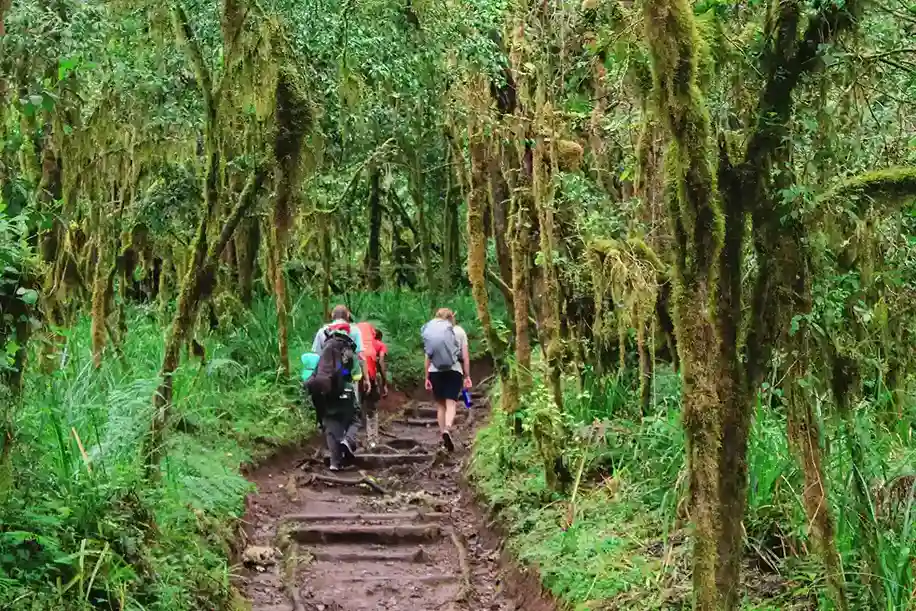
Start your Mount Kilimanjaro trekking via Umbwe Route with a drive to Umbwe Gate (1,800m). Trek through lush rainforest to Umbwe Cave Camp (2,850m), navigating steep trails and enjoying views of dense vegetation. This fast ascent sets the tone for the challenging Umbwe Route.
- Trekking Time: 5–7 hours, 11 km
- Altitude Gain: 1,050m
- Highlights: Rainforest scenery, birdlife
- Meals: Breakfast, lunch, dinner
- Accommodation: Umbwe Cave Camp
Day 3: Umbwe Cave Camp to Barranco Camp
Continue from Umbwe Cave Camp to Barranco Camp (3,950m), ascending through moorland and alpine zones. The trail offers stunning views of Kilimanjaro’s southern slopes and the Barranco Valley. This leg is critical for altitude acclimatization on Umbwe Route.
- Trekking Time: 4–6 hours, 7 km
- Altitude Gain: 1,100m
- Highlights: Moorland vistas, Umbwe Gate to Barranco Camp transition
- Meals: Breakfast, lunch, dinner
- Accommodation: Barranco Camp
Day 4: Barranco Camp to Karanga Camp
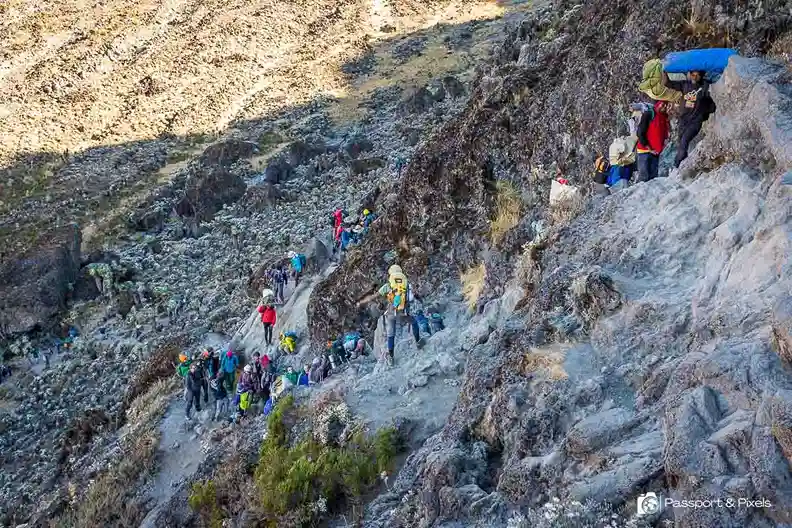
Tackle the iconic Barranco Wall, a steep climb requiring some scrambling, before reaching Karanga Camp (4,035m). This shorter day aids acclimatization, offering panoramic views of the Karanga Valley and Kibo Peak.
- Trekking Time: 4–5 hours, 5 km
- Altitude Gain: 85m
- Highlights: Barranco Wall, acclimatization
- Meals: Breakfast, lunch, dinner
- Accommodation: Karanga Camp
Day 5: Karanga Camp to Barafu Camp
Trek to Barafu Camp (4,680m), your base for the summit push. The trail crosses alpine desert, preparing you for the final ascent. Rest early to conserve energy for the midnight climb to Uhuru Peak.
- Trekking Time: 3–4 hours, 4 km
- Altitude Gain: 645m
- Highlights: Alpine desert, summit preparation
- Meals: Breakfast, lunch, dinner
- Accommodation: Barafu Camp
Day 6: Barafu Camp to Uhuru Peak and Descent to Mweka Camp
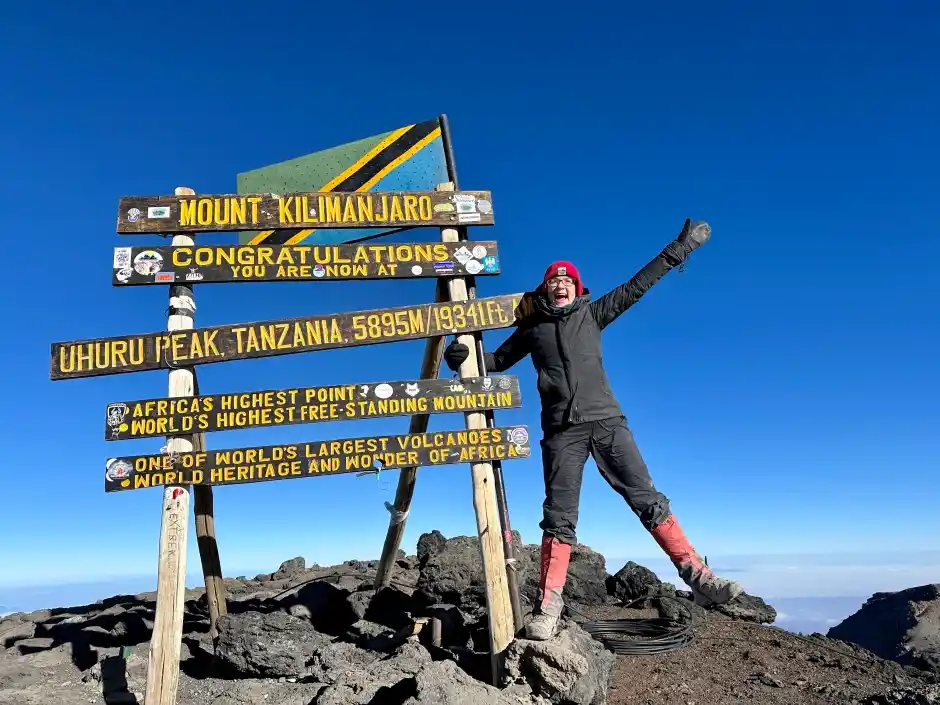
Begin your summit attempt at midnight, trekking to Stella Point (5,739m) and then Uhuru Peak (5,895m), the highest point in Africa. Celebrate your achievement before descending to Mweka Camp (3,100m) for a well-earned rest.
- Trekking Time: 12–15 hours, 17 km (7–8 hours ascent, 5–7 hours descent)
- Altitude Gain/Loss: 1,215m up, 2,795m down
- Highlights: Kilimanjaro summit via Uhuru Peak, glacier views
- Meals: Breakfast, lunch, dinner
- Accommodation: Mweka Camp
Day 7: Mweka Camp to Mweka Gate and Moshi
Descend through rainforest to Mweka Gate (1,650m), where you’ll receive your summit certificate. Transfer back to Moshi, reflecting on your incredible 6-day Kilimanjaro climb via Umbwe Route.
- Trekking Time: 3–5 hours, 10 km
- Altitude Loss: 1,450m
- Highlights: Summit certificate, rainforest descent
- Meals: Breakfast, lunch
- Accommodation: Moshi hotel or airport transfer
Umbwe Route Difficulty and Altitude
The Umbwe Route is the steepest Kilimanjaro route, known for its challenging terrain and rapid ascent. With a fast ascent Kilimanjaro route profile, it reaches Uhuru Peak in just six days, making altitude acclimatization on Umbwe Route critical. The trail’s steep inclines and high altitude (up to 5,895m) demand strong physical fitness and prior trekking experience. Capable Africa Tours ensures safety with expert guides trained in altitude sickness prevention, carrying oxygen and medical kits for emergencies.
See the Landscapes, Camps and Wildlife Along This Route
What to Expect from Mornings, Travel Days and Evenings
Watch the breathtaking journey of a 6-day Kilimanjaro climb via Umbwe Route, from lush rainforests to the iconic Uhuru Peak, with Capable Africa Tours.
What to Pack for the Actual Route and Season
Packing wisely is essential for the challenging 6-day Kilimanjaro climb via Umbwe Route. Opt for lightweight, layered clothing to handle varying temperatures, from warm rainforests to freezing summit conditions. Below is a detailed packing list for your Kilimanjaro trekking package 2026.
- Layered Clothing: Moisture-wicking base layers, fleece, and waterproof jacket.
- Trekking Boots: Broken-in, waterproof boots with ankle support.
- Sleeping Bag: Rated for -15°C for high-altitude camps.
- Trekking Poles: For stability on steep trails like Barranco Wall.
- Headlamp: With extra batteries for the midnight summit push.
- Water Purification Tablets: To ensure safe drinking water.
- High-Energy Snacks: Nuts, energy bars for sustained energy.
- Sunscreen & Sunglasses: SPF 50+ and UV-protective glasses for glacier glare.
Machame vs Umbwe Route: Which Is Right for You?
Comparing Machame vs Umbwe Route, Umbwe is shorter and steeper, ideal for experienced trekkers only, with a 70–summit outcomes vary by route, acclimatisation, weather and individual response due to its fast ascent. Machame, a longer 7-day route, offers better acclimatization and an 85–summit outcomes vary by route, acclimatisation, weather and individual response, making it more suitable for first-time climbers. Umbwe’s solitude and dramatic scenery appeal to adventure seekers, while Machame’s gradual ascent suits those prioritizing comfort.
Kilimanjaro Climb Cost and Inclusions
The Kilimanjaro Umbwe Route price starts at $2,200 per person for a group tour, varying based on group size and season. This includes park fees, expert guides, porters, meals, and camping equipment. Contact Capable Africa Tours for a tailored quote for your 2026 trek.
Check These Inclusions Before You Compare Quotes
The Kilimanjaro climb cost and inclusions cover essential services for a safe and enjoyable trek. Exclusions include personal gear and international flights. Below is a detailed breakdown for clarity.
Price Inclusions
- Round-trip transfers from Moshi
- Kilimanjaro National Park fees
- Professional English-speaking guides and porters
- All meals and drinking water on the trek
- Camping equipment (tents, sleeping mats)
- Oxygen tanks and medical kits
- Summit certificate upon completion
Price Exclusions
- International flights to Tanzania
- Travel or medical insurance
- Tips for guides and porters (~$15–20 pp/day)
- Personal trekking gear (boots, sleeping bags)
- Alcoholic beverages or personal expenses
Is This Six-Day Trip the Right Choice for You?
Join Capable Africa Tours for a challenging 6-day Kilimanjaro climb via Umbwe Route in 2026. Conquer Uhuru Peak with expert guides, small groups, and comprehensive support in Kilimanjaro National Park, Tanzania.
- 70–summit outcomes vary by route, acclimatisation, weather and individual response with expert guidance
- Small groups for personalized trekking experience
- Comprehensive safety measures with oxygen and medical kits
- Eco-friendly camps supporting local conservation
- Ideal for experienced trekkers seeking a challenge
Limited spots available for this exclusive Umbwe Route Kilimanjaro climb—book now to secure your 2026 adventure!
Book This Climb NowRequest a Tailored Six-Day Itinerary
How the Experience Changes from Morning to Evening
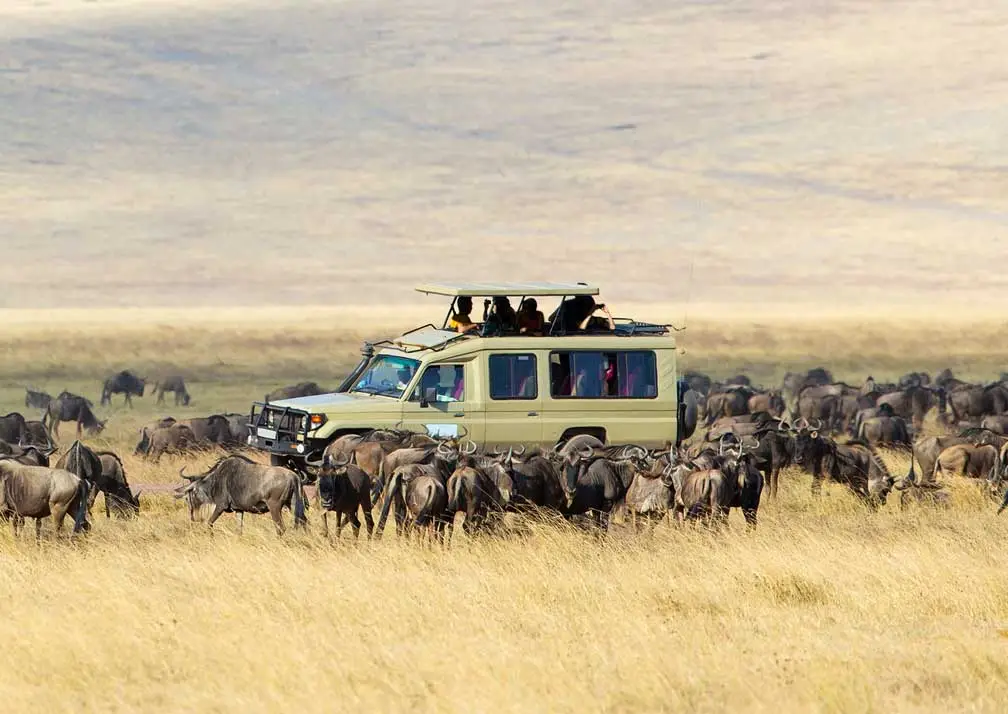
Great Migration Safaris
Experience one of nature’s greatest spectacles with our Great Migration safari packages, timed for river crossings or calving.
View Package →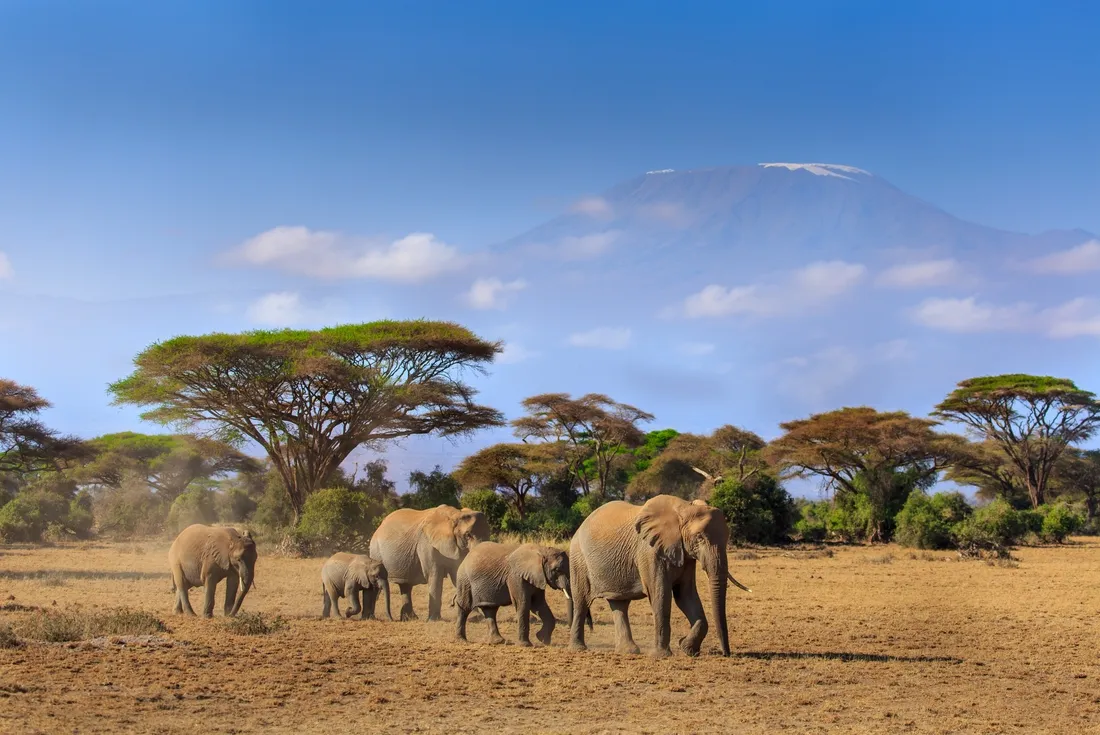
Serengeti & Kilimanjaro Trek
Combined safari and trekking tours offer wildlife adventures and Kilimanjaro climbs.
View Package →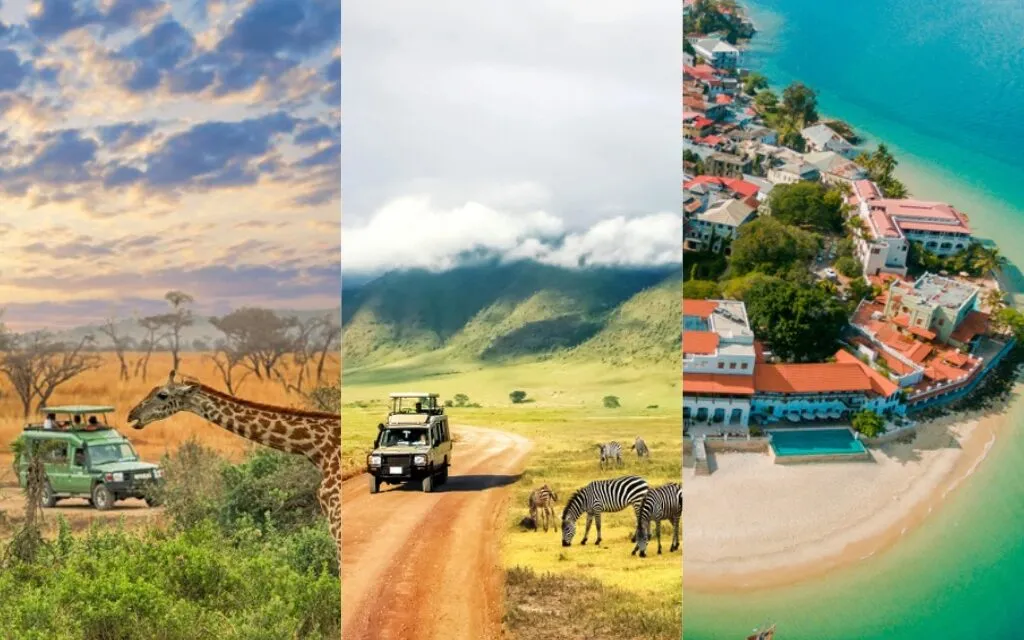
Serengeti & Zanzibar Tours
Luxury Tanzania safari & beach packages with the Great Migration and pristine beaches.
View Package →