6-Day Kilimanjaro Climb via Machame Route: Price & Costs 2026/2027
The 6-Day Kilimanjaro Climb via Machame Route offers an adventurous yet manageable trek to Africa’s highest peak. Known as the “Whiskey Route,” Machame combines challenging ascents with stunning scenery. Over six days, climbers traverse lush rainforest, alpine moorlands, and rocky terrains, gradually acclimatizing to high altitudes. Each day balances trekking, rest, and acclimatization, increasing your chance of a successful summit. Expert guides provide practical support, safety advice, and motivational encouragement. Ideal for fit beginners and seasoned trekkers alike, this route delivers diverse landscapes, wildlife sightings, and breathtaking views. Experience an memorable journey reaching Kilimanjaro’s summit with confidence.
Book Your Trek NowWhat This Six-Day Trip Includes at a Glance
- Duration: 6 Days, 5 Nights
- Route: Machame Route (40 km, scenic and diverse)
- Main Focus: Summit Uhuru Peak, rainforest to alpine desert
- Tour Style: Guided trek, small groups (2–12 people)
- Best Time: January–March, June–October for 90% clear weather
- Ideal For: Adventure seekers, fit hikers, nature lovers
- Success Rate: ~85% summit success with proper acclimatization
Who This Six-Day Trip Suits—and Why
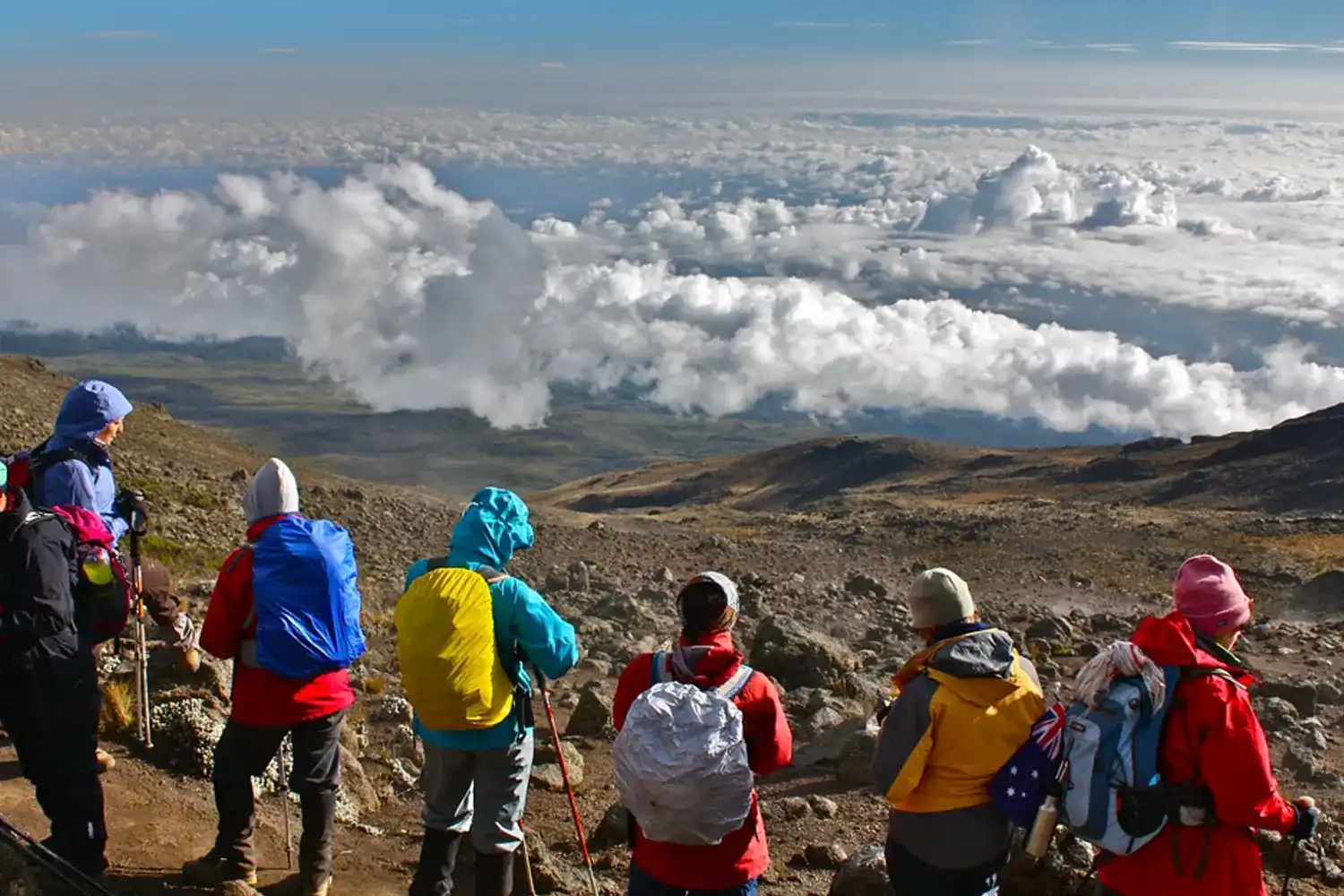
The 6-day Kilimanjaro climbing tour via the Machame Route, often called the "Whiskey Route," is a favorite for its stunning scenery and challenging terrain. This route takes you through lush rainforests, moorlands, alpine deserts, and glaciers, culminating at Uhuru Peak (5,895m). With Capable Africa Tours, you’ll trek with expert guides, experienced porters, and a well-planned itinerary to maximize acclimatization and summit success. The 6-day itinerary is ideal for fit hikers who want a shorter but rewarding Kilimanjaro trek without sacrificing the experience. Expect small group sizes, eco-conscious practices, and personalized support for an memorable adventure.
The Machame Route’s diverse landscapes and gradual ascent make it one of the most scenic and successful routes, with ansummit outcomes vary by route, acclimatisation, weather and individual response when guided properly. Whether you’re a seasoned trekker or a determined beginner, this 6-day Kilimanjaro trek offers the perfect balance of challenge, beauty, and achievement.
How the Six-Day Itinerary Works, Day by Day
This 6-day Kilimanjaro climbing tour via the Machame Route is designed to optimize your summit success while immersing you in the mountain’s breathtaking landscapes. Below is a day-by-day breakdown of your Kilimanjaro trek with Capable Africa Tours.
Day 1: Machame Gate to Machame Camp
Start your Kilimanjaro trek at Machame Gate (1,800m). After registration, trek through lush rainforest to Machame Camp (2,850m). Enjoy the sights of monkeys and vibrant flora as your guides set the pace with "pole pole" (slowly, slowly) to aid acclimatization.
- Distance: 11 km, 5–7 hours
- Altitude Gain: 1,050m
- Highlights: Rainforest trekking, wildlife spotting
- Meals: Lunch, dinner
- Accommodation: Machame Camp (tents)
Day 2: Machame Camp to Shira Camp
Trek from Machame Camp to Shira Camp (3,750m), transitioning from rainforest to moorland. The trail steepens, offering stunning views of the Shira Plateau and Kibo Peak. Rest and acclimatize at camp with views of Mount Meru.
- Distance: 5 km, 4–6 hours
- Altitude Gain: 900m
- Highlights: Shira Plateau, first views of Kibo
- Meals: Breakfast, lunch, dinner
- Accommodation: Shira Camp (tents)
Day 3: Shira Camp to Barranco Camp via Lava Tower
Climb to Lava Tower (4,600m) for acclimatization, then descend to Barranco Camp (3,950m). This "climb high, sleep low" approach helps your body adjust to altitude. Enjoy views of the Barranco Wall and alpine desert landscapes.
- Distance: 10 km, 6–8 hours
- Altitude Gain/Loss: +850m, -650m
- Highlights: Lava Tower, Barranco Wall views
- Meals: Breakfast, lunch, dinner
- Accommodation: Barranco Camp (tents)
Day 4: Barranco Camp to Karanga Camp
Tackle the Barranco Wall, a thrilling scramble with stunning views. Continue to Karanga Camp (3,995m), passing through alpine desert terrain. This shorter day allows for rest and acclimatization before the summit push.
- Distance: 5 km, 4–5 hours
- Altitude Gain: 45m
- Highlights: Barranco Wall climb, scenic valleys
- Meals: Breakfast, lunch, dinner
- Accommodation: Karanga Camp (tents)
Day 5: Karanga Camp to Barafu Camp
Trek to Barafu Camp (4,673m), your base for the summit attempt. The trail crosses rugged alpine desert, offering panoramic views of Mawenzi Peak. Rest early to prepare for the midnight summit climb.
- Distance: 4 km, 4–5 hours
- Altitude Gain: 678m
- Highlights: Mawenzi Peak views, summit prep
- Meals: Breakfast, lunch, dinner
- Accommodation: Barafu Camp (tents)
Day 6: Barafu Camp to Uhuru Peak and Descent to Mweka Camp
Begin your summit attempt at midnight, trekking to Stella Point (5,739m) and then Uhuru Peak (5,895m). Witness a breathtaking sunrise over Africa’s highest point. Descend to Mweka Camp (3,100m) for a well-earned rest.
- Distance: 5 km ascent, 12 km descent, 10–14 hours
- Altitude Gain/Loss: +1,222m, -2,795m
- Highlights: Summit Uhuru Peak, glacier views, sunrise
- Meals: Breakfast, lunch, dinner
- Accommodation: Mweka Camp (tents)
What Six Days Add Compared with a Shorter Trip
Our 6-day Kilimanjaro climbing tour via the Machame Route with Capable Africa Tours combines adventure, safety, and sustainability. Expert guides, trained in wilderness first aid, ensure a safe climb, while porters handle gear, allowing you to focus on the trek. The route’s diverse ecosystems—from rainforest to glaciers—offer unmatched scenery, and our small group sizes (2–12) ensure personalized attention. With ansummit outcomes vary by route, acclimatisation, weather and individual response, eco-friendly camping, and fair treatment of porters, this Kilimanjaro trek delivers an memorable experience.
See the Landscapes, Camps and Wildlife Along This Route
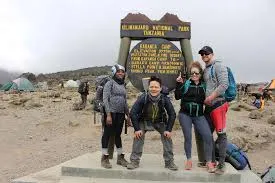
What to Expect from Mornings, Travel Days and Evenings
Watch the journey of a 6-day Kilimanjaro climbing tour via the Machame Route, from lush rainforests to the summit of Uhuru Peak, with Capable Africa Tours.
What to Pack for the Actual Route and Season
Packing correctly is crucial for a successful 6-day Kilimanjaro climbing tour. The Machame Route’s diverse climates, from humid rainforests to freezing summit nights, require versatile gear. Below is a comprehensive packing list to ensure comfort and safety on your Kilimanjaro trek.
- Trekking Boots: Waterproof, broken-in boots with ankle support.
- Warm Layers: Fleece, down jacket, and thermal base layers for summit night.
- Sleeping Bag: Rated for -15°C for high-altitude camps.
- Trekking Poles: Adjustable for stability on steep terrain.
- Waterproof Gear: Jacket and pants for rainforest sections.
- Headlamp: With extra batteries for summit night.
- Sunscreen & Sunglasses: SPF 50+ and UV-protective glasses.
- Water Bottles/Camelbak: 3L capacity for hydration.
- Personal Medications: Include altitude sickness prevention (e.g., Diamox).
Tip: Gear rentals (sleeping bags, poles) are available through Capable Africa Tours. Contact us to arrange.
Kilimanjaro Climbing Cost for the 6-Day Machame Route
The Kilimanjaro climbing cost for a 6-day Machame Route trek typically ranges from $1,800 to $3,500 per person, depending on group size, inclusions, and operator quality. Capable Africa Tours offers transparent pricing starting at $1,800 per person for a group tour, covering park fees, guides, porters, meals, and camping. Below is a detailed breakdown:
- Budget 6-Day Trek: $1,800–$2,200 (shared tents, group tours).
- Mid-Range 6-Day Trek: $2,200–$2,800 (private tents, small groups).
- Luxury 6-Day Trek: $2,800–$3,500 (premium camping, extra services).
Customize Your 6-Day Kilimanjaro Climb
Enhance your Kilimanjaro trek with these optional add-ons:
- Extra acclimatization day for higher summit success
- Moshi cultural tour pre/post-climb
- Zanzibar beach extension for relaxation
- Serengeti safari add-on for wildlife adventure
Contact us now to customize your 6-day Kilimanjaro climbing tour!
Check These Inclusions Before You Compare Quotes
Understanding the Kilimanjaro climbing cost is key to planning your trek. Our 6-day Machame Route package with Capable Africa Tours includes park fees, expert guides, porters, meals, and camping equipment. Exclusions typically cover flights, personal gear, and tips. Below is a clear breakdown of inclusions and exclusions.
Price Inclusions
- Round-trip transfers from Arusha/Moshi
- Professional guides and porters
- All Kilimanjaro National Park fees
- Full-board meals (breakfast, lunch, dinner)
- Camping gear (tents, sleeping pads)
- Bottled water and hot drinks
- First-aid kit and emergency oxygen
Price Exclusions
- International flights to Tanzania
- Personal trekking gear (boots, sleeping bags)
- Tips for guides/porters (~$150–$250 pp, optional)
- Travel/medical insurance
- Personal expenses (souvenirs, etc.)
- Optional add-ons (gear rentals, extra days)
Is This Six-Day Trip the Right Choice for You?
Join Capable Africa Tours for a 6-day Kilimanjaro climbing tour via the Machame Route. Conquer Uhuru Peak, experience diverse landscapes, and trek with expert guides in a small group for an memorable adventure.
- summit outcomes vary by route, acclimatisation, weather and individual response with expert guides
- Scenic Machame Route with diverse ecosystems
- Eco-friendly camping and fair porter treatment
- Small groups for personalized support
- Supports Kilimanjaro conservation efforts
Limited spots available for this 6-day Kilimanjaro trek—book now to secure your climb to Uhuru Peak!
Book This Trek NowRequest a Tailored Six-Day Itinerary
How the Experience Changes from Morning to Evening
7-Day Kilimanjaro Machame Route
Add an extra day for better acclimatization and a higher summit success rate on the Machame Route.
View Package →
Lemosho Route Kilimanjaro Trek
Experience a longer, scenic route with stunning views and high success rates.
View Package →
Kilimanjaro & Tanzania Safari
Combine your Kilimanjaro trek with a Serengeti and Ngorongoro safari adventure.
View Package →