
7-Day Kilimanjaro Climb from Arusha: Price & Itinerary 2026/2027
Ready to conquer Mount Kilimanjaro? Our 7-day Kilimanjaro climb from Arusha via the scenic Machame Route offers an memorable adventure to Uhuru Peak (5,895m). With Capable Africa Tours, you’ll get expert guides, a detailed itinerary, and competitive pricing for a safe and rewarding trek. This journey blends stunning landscapes, gradual acclimatization, and cultural insights, perfect for adventurers seeking to summit Africa’s highest peak. Read on for a comprehensive guide to your Kilimanjaro climb from Arusha, including prices, daily itinerary, and essential tips!
Book Your Climb NowKilimanjaro Climb from Arusha Highlights
- Duration: 7 Days, 6 Nights
- Route: Machame Route (40 km, scenic and diverse)
- Destination: Uhuru Peak, Mount Kilimanjaro (5,895m)
- Main Focus: Summit success, acclimatization, adventure
- Tour Style: Guided trek, small groups (2–12 people)
- Best Time: Jan–Mar, Jun–Oct with an acclimatisation-focused schedule
- Ideal For: Adventure seekers, trekkers, nature lovers
Who This Seven-Day Trip Suits—and Why
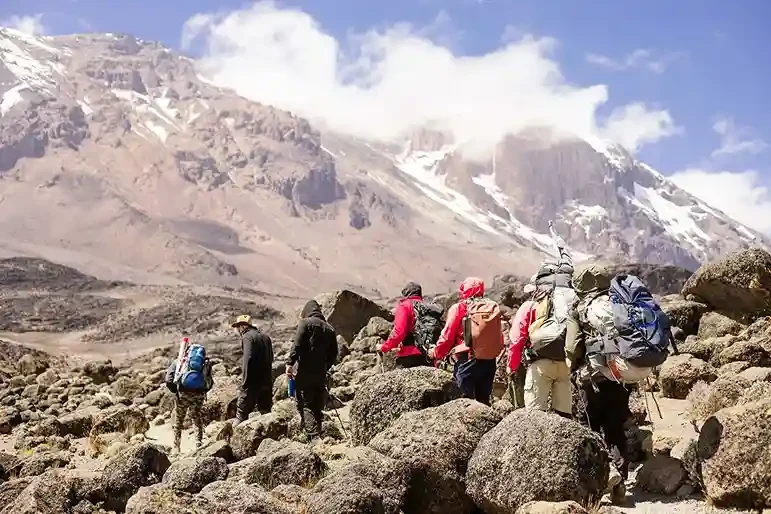
A 7-day Kilimanjaro climb from Arusha with Capable Africa Tours offers the perfect balance of adventure, safety, and scenic beauty. The Machame Route, known as the “Whiskey Route,” is renowned for its diverse landscapes, from lush rainforests to alpine deserts and the snow-capped Uhuru Peak. This itinerary ensures proper acclimatization, increasing your chances of summiting successfully (outcomes vary with route, season, weather and individual response). With expert guides, porters, and high-quality camping, you’ll trek with confidence while enjoying Tanzania’s iconic mountain. Whether you’re a first-time trekker or a seasoned hiker, this Kilimanjaro climb from Arusha delivers an unparalleled adventure.
Starting from Arusha, the gateway to Kilimanjaro, you’ll be supported by a dedicated team ensuring safety and comfort. The 7-day itinerary allows time to explore diverse ecosystems, witness stunning sunrises, and connect with fellow adventurers in small groups.
How the Seven-Day Itinerary Works, Day by Day
This 7-day Kilimanjaro climb from Arusha follows the Machame Route, designed for optimal acclimatization and a strong acclimatisation profile. Here’s a day-by-day breakdown of your adventure with Capable Africa Tours.
Day 1: Arrival in Arusha
Your Kilimanjaro climb from Arusha begins with your arrival at Kilimanjaro International Airport (JRO). Transfer to your hotel in Arusha, a vibrant town near Mount Kilimanjaro. Relax, explore local markets, or join an optional city tour. Your guide will brief you on the trek, check your gear, and prepare you for the adventure ahead.
- Activities: Airport transfer, optional Arusha tour
- Highlights: Cultural introduction, trek preparation
- Meals: Dinner at hotel
- Accommodation: Arusha hotel or lodge
Day 2: Arusha to Machame Gate & Machame Camp
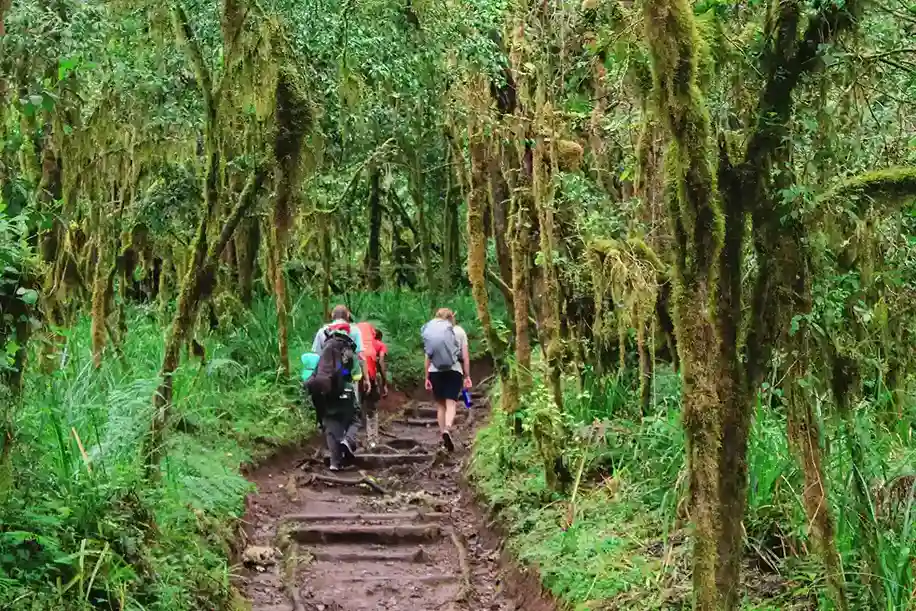
Drive from Arusha to Machame Gate (1,800m), the starting point of your Kilimanjaro climb. Trek through lush rainforests to Machame Camp (2,850m), enjoying views of tropical flora and wildlife like colobus monkeys. The 5–6-hour hike sets a steady pace for acclimatization.
- Drive Time: Approx. 1–2 hours
- Trekking Time: 5–6 hours (11 km)
- Highlights: Rainforest trek, first camp experience
- Meals: Breakfast, lunch, dinner
- Accommodation: Machame Camp (tented)
Day 3: Machame Camp to Shira Cave Camp
Trek from Machame Camp to Shira Cave Camp (3,750m), moving from rainforest to moorland. The 5–6-hour hike offers stunning views of the Shira Plateau and Mount Meru. Acclimatize as you ascend, with guides monitoring your health.
- Trekking Time: 5–6 hours (5 km)
- Highlights: Shira Plateau, moorland landscapes
- Meals: Breakfast, lunch, dinner
- Accommodation: Shira Cave Camp (tented)
Day 4: Shira Cave Camp to Barranco Camp
Hike to Barranco Camp (3,900m) via Lava Tower (4,600m), a key acclimatization point. The 6–7-hour trek crosses alpine desert terrain, offering panoramic views of Kilimanjaro’s Western Breach. Descend to Barranco for a restful night.
- Trekking Time: 6–7 hours (10 km)
- Highlights: Lava Tower, Barranco Wall views
- Meals: Breakfast, lunch, dinner
- Accommodation: Barranco Camp (tented)
Day 5: Barranco Camp to Karanga Camp
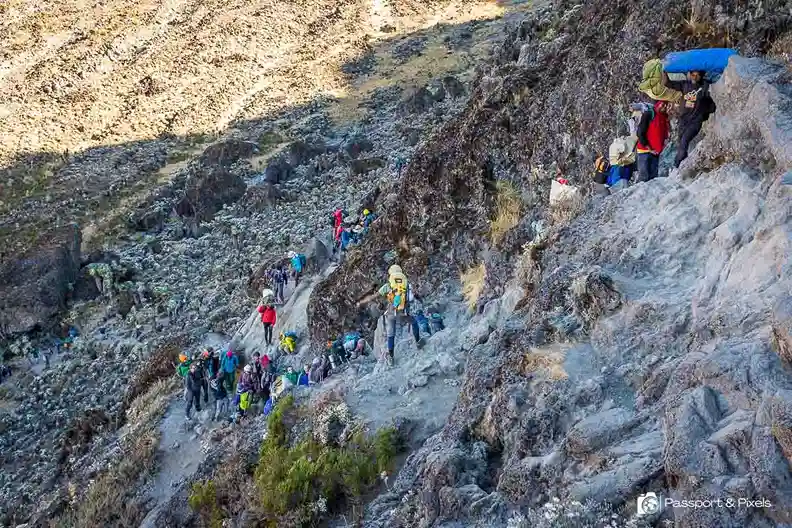
Climb the Barranco Wall, a thrilling but manageable ascent, and trek to Karanga Camp (3,995m). The 4–5-hour hike offers breathtaking views of Kibo Peak. This shorter day aids acclimatization before the summit push.
- Trekking Time: 4–5 hours (5 km)
- Highlights: Barranco Wall, Kibo Peak views
- Meals: Breakfast, lunch, dinner
- Accommodation: Karanga Camp (tented)
Day 6: Karanga Camp to Barafu Camp & Summit Attempt
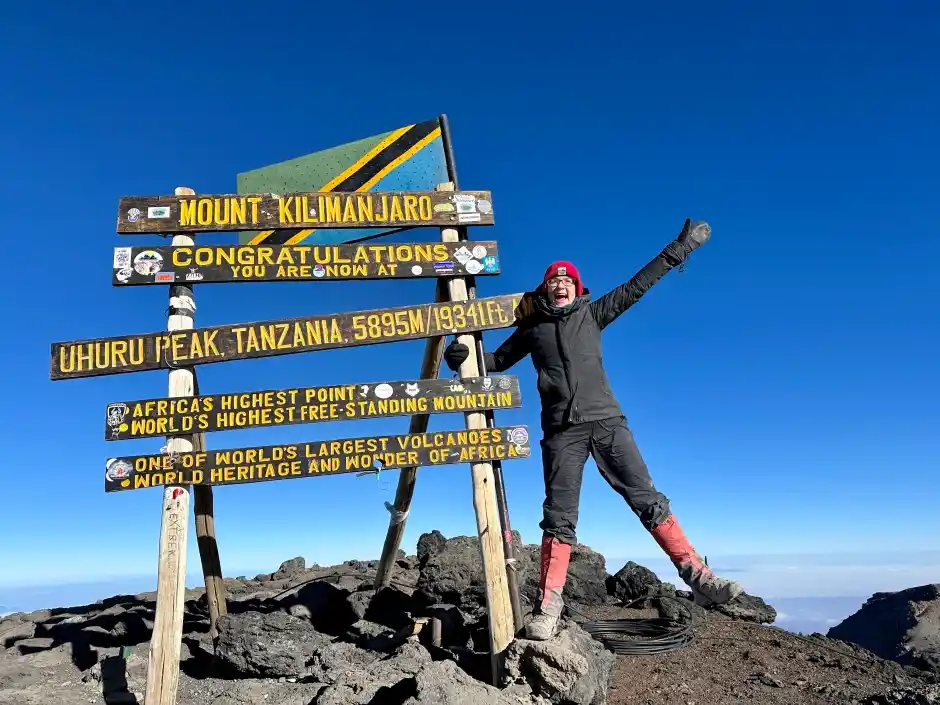
Trek to Barafu Camp (4,670m), your base for the summit attempt. After a short rest, begin the midnight ascent to Uhuru Peak (5,895m). The 6–8-hour climb to the summit is challenging but rewarding, with sunrise views over Africa. Descend to Mweka Camp (3,100m) for rest.
- Trekking Time: 6–8 hours to summit, 5–7 hours descent (12 km)
- Highlights: Uhuru Peak summit, sunrise views
- Meals: Breakfast, lunch, dinner
- Accommodation: Mweka Camp (tented)
Day 7: Mweka Camp to Mweka Gate & Arusha
Descend through rainforest to Mweka Gate (1,640m), completing your Kilimanjaro climb from Arusha. Receive your summit certificate and transfer back to Arusha for a celebratory dinner or airport drop-off.
- Trekking Time: 3–4 hours (10 km)
- Drive Time: Approx. 1–2 hours
- Highlights: Summit certificate, rainforest descent
- Meals: Breakfast, lunch
- Accommodation: Arusha hotel or airport transfer
What Seven Days Add Compared with a Shorter Trip
This 7-day Kilimanjaro climb from Arusha offers an unmatched adventure with Capable Africa Tours. The Machame Route’s diverse terrain, expert guides, and focus on acclimatization ensure anoutcomes vary with route, season, weather and individual response. Small groups provide personalized support, while eco-friendly camps support local conservation. Extend your trip with a safari, such as 2 nights in Serengeti, for a complete Tanzania experience.
See the Landscapes, Camps and Wildlife Along This Route
What to Expect from Mornings, Travel Days and Evenings
Discover the thrill of a 7-day Kilimanjaro climb from Arusha, from lush rainforests to the summit of Uhuru Peak, with Capable Africa Tours.
What to Pack for the Actual Route and Season
Packing right is key for a successful Kilimanjaro climb from Arusha. Opt for layered clothing to handle varying temperatures, from warm rainforests to freezing summit nights. A quality sleeping bag and trekking poles are essential for comfort and stability. Below is a detailed packing list for your 7-day trek.
- Layered Clothing: Moisture-wicking base layers, fleece, waterproof jacket/pants.
- Sleeping Bag: Rated to -15°C for summit night.
- Trekking Poles: Adjustable for steep ascents/descents.
- Headlamp: With extra batteries for summit night.
- High-SPF Sunscreen: SPF 50+ for high-altitude UV exposure.
- Water Bottle/Hydration System: 3L capacity for daily hydration.
- Sturdy Boots: Waterproof, broken-in hiking boots.
- Daypack: 25–35L for personal items during treks.
What Changes the 2026/2027 Price
A 7-day Kilimanjaro climb from Arusha typically starts from $1,950 per person, depending on group size, season, and inclusions.
Contact us now to customize your Kilimanjaro climb from Arusha!
Check These Inclusions Before You Compare Quotes
The price for a Kilimanjaro climb from Arusha covers essentials like park fees, guides, porters, meals, and camping equipment. Exclusions typically include international flights, insurance, and tips. Below is a detailed breakdown to help you plan.
Price Inclusions
- Round-trip transfers from Arusha
- Professional guides and porters
- All Kilimanjaro park fees
- Full-board meals during trek
- Camping equipment (tents, sleeping mats)
- Bottled water during trek
- Summit certificate
Price Exclusions
- International flights to Tanzania
- Travel/medical insurance (mandatory)
- Tips for guides/porters (~$15–20 pp/day)
- Personal gear (sleeping bags, poles)
- Optional Arusha city tours
- Alcoholic beverages
How to Prepare for Your Kilimanjaro Climb from Arusha
Preparing for a Kilimanjaro climb from Arusha requires physical training and mental readiness. Start training 3–6 months in advance with cardio (running, cycling), strength exercises (squats, lunges), and practice hikes with a weighted backpack. Acclimatization is key, and the Machame Route’s 7-day itinerary helps with gradual ascent. Consult your doctor about altitude medication like Diamox. Mental preparation includes understanding the challenge of summit night and staying motivated.
- Cardio Training: 3–5 sessions/week (running, swimming).
- Strength Training: Focus on legs and core (2–3 sessions/week).
- Practice Hikes: 4–6 hours with 10–15 kg backpack.
- Altitude Awareness: Learn symptoms of altitude sickness.
Is This Seven-Day Trip the Right Choice for You?
Join Capable Africa Tours for a 7-day Kilimanjaro climb from Arusha via the Machame Route. Summit Uhuru Peak, experience diverse landscapes, and enjoy expert guidance. Extend your adventure with a safari, like 2 nights in Serengeti, for a complete Tanzania experience.
- outcomes vary with route, season, weather and individual response with Machame Route
- Expert guides and porters for safety
- Eco-friendly camps supporting conservation
- Small groups for personalized experience
- Option to add 2 nights in Serengeti safari
Limited spots for this 7-day Kilimanjaro climb from Arusha—book now to secure your summit adventure!
Book This Climb NowRequest a Tailored Seven-Day Itinerary
Related Tanzania Safari Adventures
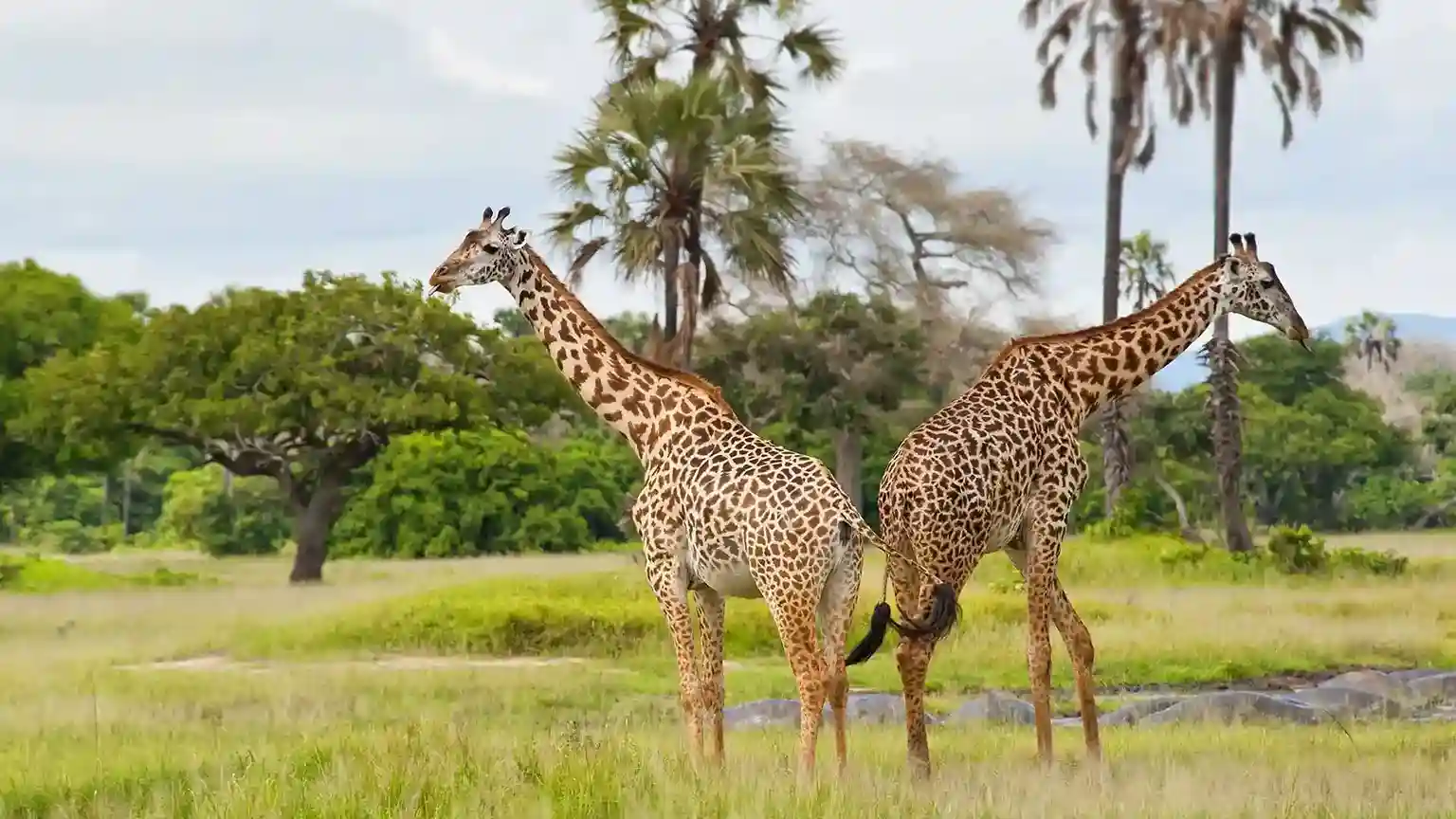
5-Day Serengeti Safari Adventure
Witness the Great Migration and diverse wildlife in Tanzania’s iconic Serengeti National Park.
View Package →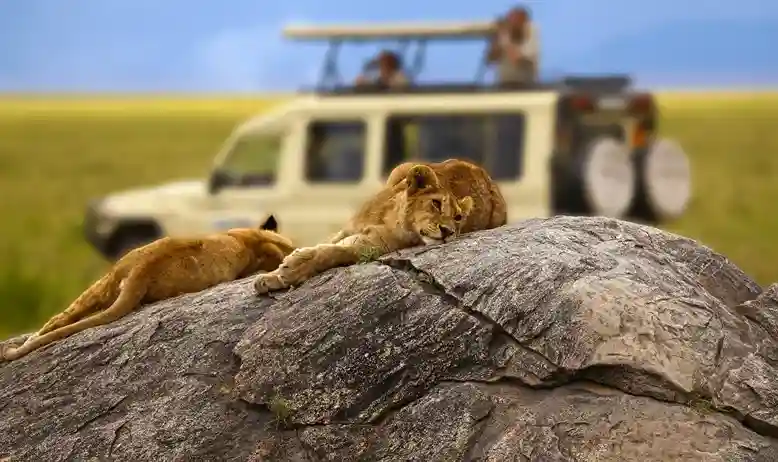
4-Day Nyerere National Park within the wider Selous ecosystem Safari
Explore the vast Nyerere National Park within the wider Selous ecosystem with boat safaris, game drives, and luxury camps.
View Package →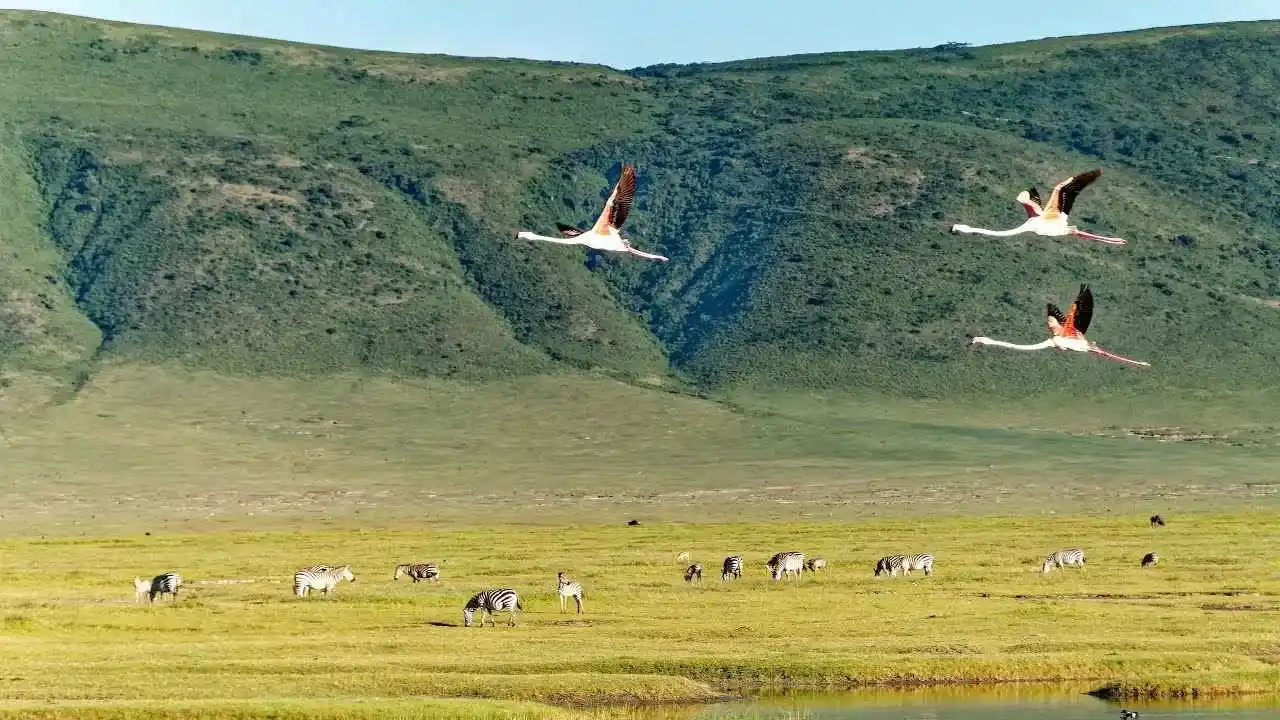
1-Day Ngorongoro Crater Safari
Discover the Ngorongoro Crater’s wildlife and stunning caldera on a short but thrilling safari.
View Package →