
7-Day Machame Route Kilimanjaro Trek in March: Prices & Costs 2026/2027
Planning a Kilimanjaro trek in March? The 7-day Machame Route with Capable Africa Tours offers an memorable Tanzania mountain trekking adventure during the off-season. Known as the "Whiskey Route," Machame is scenic, challenging, and perfect for adventurers seeking fewer crowds and budget-friendly off-season Kilimanjaro packages. With expert guides, comprehensive acclimatization, and transparent pricing, this trek ensures a safe and rewarding climb to Uhuru Peak (5,895m). Read on for a detailed itinerary, cost breakdown, and tips to conquer Africa’s highest peak in March!
Book Your Trek NowMachame Route Trek Highlights
- Duration: 7 Days, 6 Nights
- Destination: Mount Kilimanjaro (5,895m)
- Route: Machame, known for scenic diversity
- Main Focus: Summit Uhuru Peak, off-season adventure
- Tour Style: Guided trek, small groups (2–10 people)
- Best for March: Fewer crowds, lush scenery, with an acclimatisation-focused schedule
- Ideal For: Adventure seekers, fit beginners, photographers
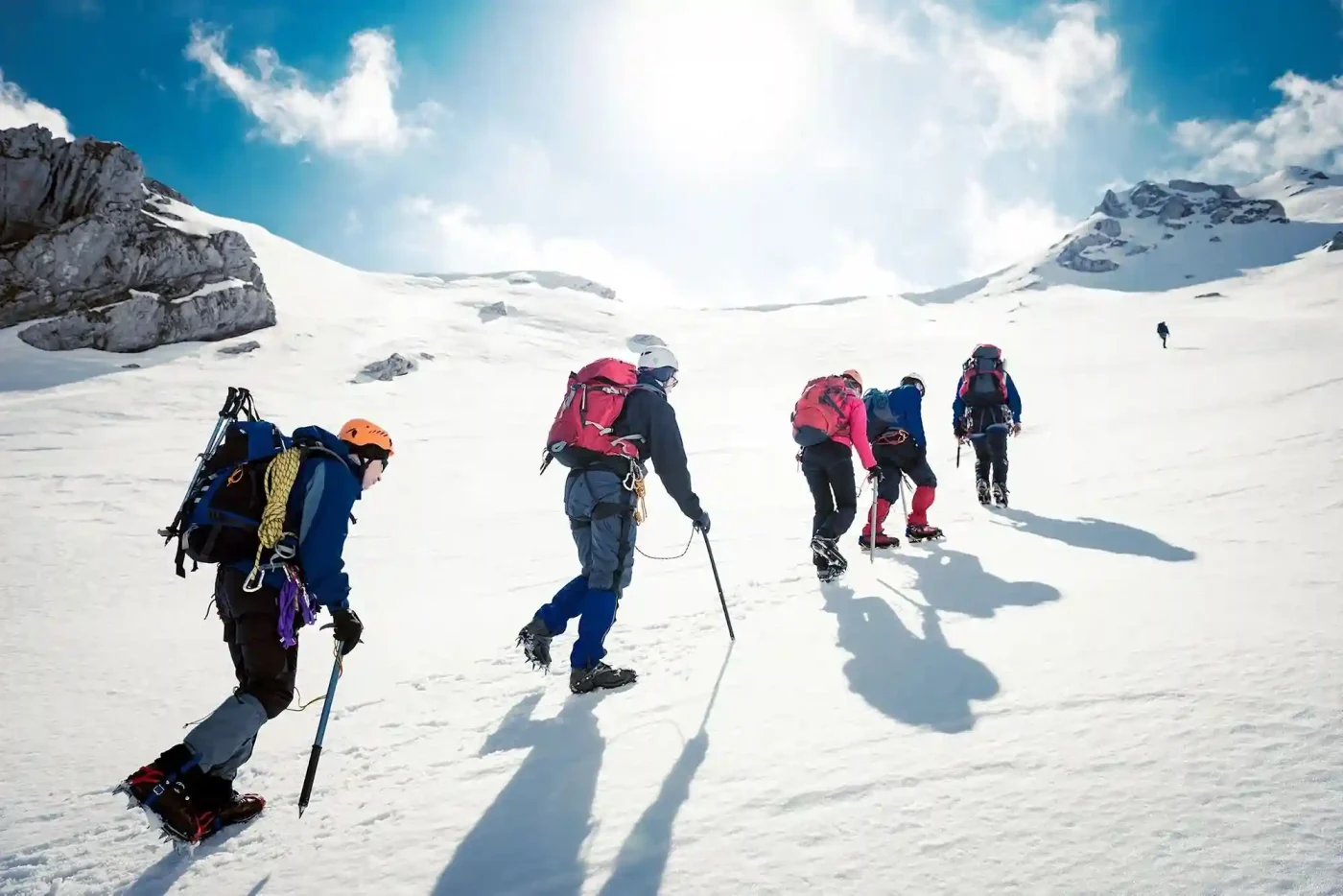
Who This Seven-Day Trip Suits—and Why
Opting for a Kilimanjaro trek in March means embracing the off-season’s unique advantages. With fewer climbers on the Machame Route, you’ll enjoy a more intimate experience with the mountain’s stunning landscapes, from lush rainforests to alpine deserts. March brings light rains, painting the lower slopes with vibrant greenery, perfect for photographers and nature lovers. Off-season Kilimanjaro packages also come with lower costs, making this budget Kilimanjaro climb an excellent value. Capable Africa Tours ensures safety with experienced guides, proper acclimatization, and high-quality gear, maximizing your chances of reaching Uhuru Peak.
The Machame Route, one of Kilimanjaro’s most popular paths, offers diverse scenery and a strong acclimatisation profile (85% with 7 days). Its challenging terrain suits fit beginners and seasoned trekkers alike, with Capable Africa Tours providing personalized support throughout your Tanzania mountain trekking journey.
How the Seven-Day Itinerary Works, Day by Day
This 7-day Machame Route Kilimanjaro trek is designed for optimal acclimatization and scenic exploration. Below is a day-by-day breakdown of your off-season adventure with Capable Africa Tours.
Day 1: Arrival in Moshi/Arusha
Your Kilimanjaro climbing tour begins in Moshi or Arusha. Arrive at Kilimanjaro International Airport (JRO) and transfer to your hotel. Meet your guide for a detailed briefing, gear check, and rest to prepare for the trek ahead.
- Activities: Airport transfer, trek briefing
- Highlights: Cultural introduction to Moshi
- Meals: Dinner at hotel
- Accommodation: Hotel in Moshi or Arusha
Day 2: Moshi to Machame Gate to Machame Camp
Drive to Machame Gate (1,800m) to begin your trek. Hike through lush rainforests teeming with colobus monkeys and vibrant birdlife to Machame Camp (2,850m). The trail is muddy in March, so waterproof gear is essential.
- Hiking Time: 5–7 hours, 11km
- Elevation Gain: 1,050m
- Highlights: Rainforest scenery, wildlife sightings
- Meals: Breakfast, lunch, dinner
- Accommodation: Machame Camp (tented)
Day 3: Machame Camp to Shira Camp
Trek from Machame Camp to Shira Camp (3,750m), moving from rainforest to moorland. Enjoy panoramic views of Shira Plateau and Kibo Peak. The shorter hike aids acclimatization for your Kilimanjaro trek in March.
- Hiking Time: 4–6 hours, 5km
- Elevation Gain: 900m
- Highlights: Shira Plateau, first views of Kibo
- Meals: Breakfast, lunch, dinner
- Accommodation: Shira Camp (tented)
Day 4: Shira Camp to Barranco Camp via Lava Tower
Hike to Lava Tower (4,600m) for acclimatization, then descend to Barranco Camp (3,900m). This “climb high, sleep low” strategy boosts summit success. Enjoy views of the Barranco Wall and Western Breach.
- Hiking Time: 6–8 hours, 10km
- Elevation Gain/Loss: +850m, -700m
- Highlights: Lava Tower, Barranco Wall
- Meals: Breakfast, lunch, dinner
- Accommodation: Barranco Camp (tented)
Day 5: Barranco Camp to Karanga Camp
Scale the Barranco Wall, a thrilling climb, and continue to Karanga Camp (3,995m). The trail offers stunning views of glaciers and the southern slopes, with short hikes to aid acclimatization.
- Hiking Time: 4–5 hours, 5km
- Elevation Gain: 95m
- Highlights: Barranco Wall climb, glacier views
- Meals: Breakfast, lunch, dinner
- Accommodation: Karanga Camp (tented)
Day 6: Karanga Camp to Barafu Camp
Trek to Barafu Camp (4,673m), your base for the summit push. Rest in the afternoon to prepare for the midnight ascent. Enjoy final views of Mawenzi Peak and the alpine desert.
- Hiking Time: 4–5 hours, 4km
- Elevation Gain: 678m
- Highlights: Alpine desert, summit preparation
- Meals: Breakfast, lunch, dinner
- Accommodation: Barafu Camp (tented)
Day 7: Barafu Camp to Uhuru Peak to Mweka Camp
Begin your summit attempt at midnight, reaching Stella Point (5,739m) at dawn, then Uhuru Peak (5,895m). Celebrate at Africa’s highest point before descending to Mweka Camp (3,100m) for your final night.
- Hiking Time: 12–16 hours, 12km
- Elevation Gain/Loss: +1,222m, -2,795m
- Highlights: Uhuru Peak summit, sunrise views
- Meals: Breakfast, lunch, dinner
- Accommodation: Mweka Camp (tented)
Day 8: Mweka Camp to Mweka Gate to Moshi
Descend through rainforest to Mweka Gate (1,640m), where you’ll receive your summit certificate. Transfer back to Moshi or Arusha, with an option to extend your adventure with a 3-night Serengeti safari.
- Hiking Time: 3–4 hours, 10km
- Elevation Loss: 1,460m
- Highlights: Summit certificate, rainforest descent
- Meals: Breakfast, lunch
- Accommodation: Hotel in Moshi or Arusha
What Seven Days Add Compared with a Shorter Trip
The Machame Route is a favorite for Kilimanjaro climbing tours due to its scenic beauty and strong acclimatisation profile. Its varied terrain—rainforests, moorlands, and alpine deserts—offers a rich trekking experience. The 7-day itinerary includes an extra acclimatization day, critical for off-season Kilimanjaro packages in March, when weather can be unpredictable. With Capable Africa Tours, you’ll have expert guides, porters, and high-quality camping gear, ensuring comfort and safety. This route’s quieter trails in March make it ideal for those seeking a budget Kilimanjaro climb with a personal touch.
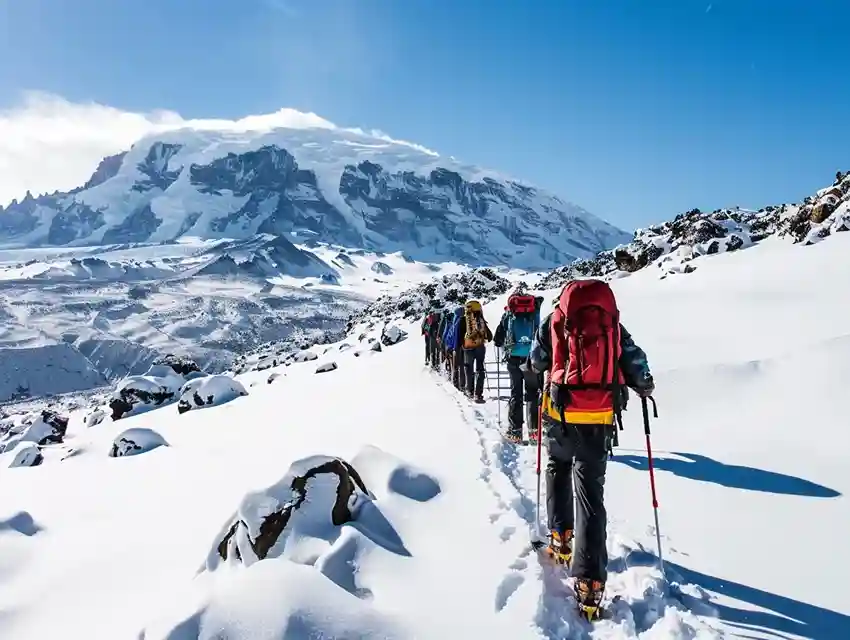
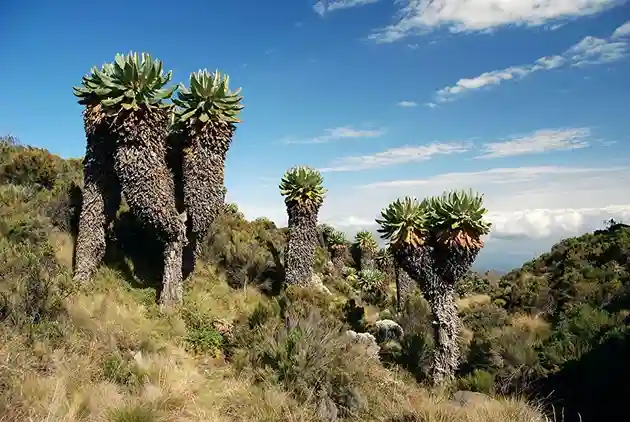
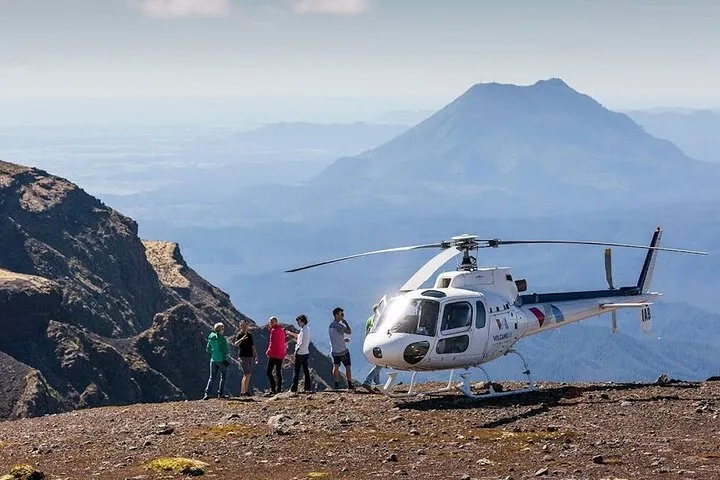
See the Landscapes, Camps and Wildlife Along This Route
What to Expect from Mornings, Travel Days and Evenings
Watch the beauty of a 7-day Machame Route Kilimanjaro trek unfold, from lush rainforests to the summit of Uhuru Peak, with Capable Africa Tours.
What to Pack for the Actual Route and Season
Packing for a Kilimanjaro trek in March requires preparation for variable weather, from warm rainforests to cold summit nights. Capable Africa Tours provides camping gear, but personal items are key. Below is a detailed packing list for your Tanzania mountain trekking adventure.
- Waterproof Clothing: Rain jacket and pants for March showers.
- Layered Clothing: Base layers, fleece, and insulated jacket for summit.
- Trekking Boots: Waterproof, broken-in boots with ankle support.
- Sleeping Bag: Rated for -15°C for high-altitude camps.
- Backpack: 30–40L daypack for personal items.
- Water Bottles/Camelbak: 3L capacity for hydration.
- Headlamp: With extra batteries for summit night.
- Sunscreen & Sunglasses: SPF 50+ and UV-protective glasses.
- Trekking Poles: Adjustable for stability on uneven terrain.
What Changes the 2026/2027 Price
A 7-day Machame Route Kilimanjaro trek in March typically costs between $1,850 and $3,500 per person, depending on group size and inclusions. Off-season Kilimanjaro packages are more budget-friendly, with Capable Africa Tours offering transparent pricing. Here’s a breakdown:
- Budget Trek: $1,850–$2,200 per person (shared tents, group tours).
- Mid-Range Trek: $2,200–$2,800 per person (private tents, extra porter support).
- Luxury Trek: $2,800–$3,500 per person (premium camps, enhanced meals).
Contact us now to customize your Kilimanjaro climbing tour!
Check These Inclusions Before You Compare Quotes
Our 7-day Machame Route trek includes essential services for a seamless experience. Understanding inclusions and exclusions helps you plan your budget Kilimanjaro climb effectively.
Price Inclusions
- Round-trip transfers from Moshi/Arusha
- Kilimanjaro National Park fees
- Professional guides and porters
- Tents, camping gear, and meals
- Bottled water during trek
- Summit certificate upon completion
- First aid and oxygen kits
Price Exclusions
- International flights to Tanzania
- Travel or medical insurance
- Tips for guides/porters (~$15–20 pp/day)
- Personal trekking gear (boots, sleeping bag)
- Optional add-ons (e.g., Serengeti safari)
- Alcoholic beverages
Is This Seven-Day Trip the Right Choice for You?
Join Capable Africa Tours for a 7-day Machame Route Kilimanjaro trek in March, enjoying fewer crowds and lush scenery. Conquer Uhuru Peak with expert guides and comprehensive support.
- outcomes vary with route, season, weather and individual response with acclimatization
- Expert-guided treks with safety protocols
- Eco-friendly camps and local porter support
- Small groups for personalized adventures
- Option to add a 3-night Serengeti safari
Limited spots for March off-season Kilimanjaro packages—book now to secure your trek!
Book This Trek NowRequest a Tailored Seven-Day Itinerary
How the Experience Feels in Practice
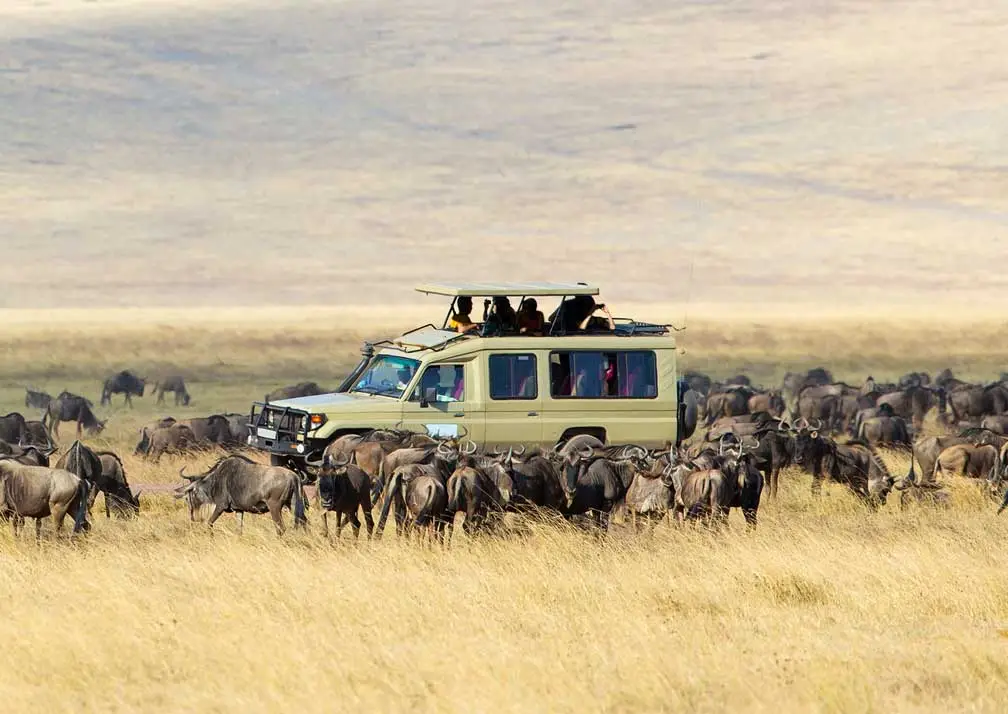
Great Migration Safaris
Experience one of nature’s greatest spectacles with our Great Migration safari packages, timed for river crossings or calving.
View Package →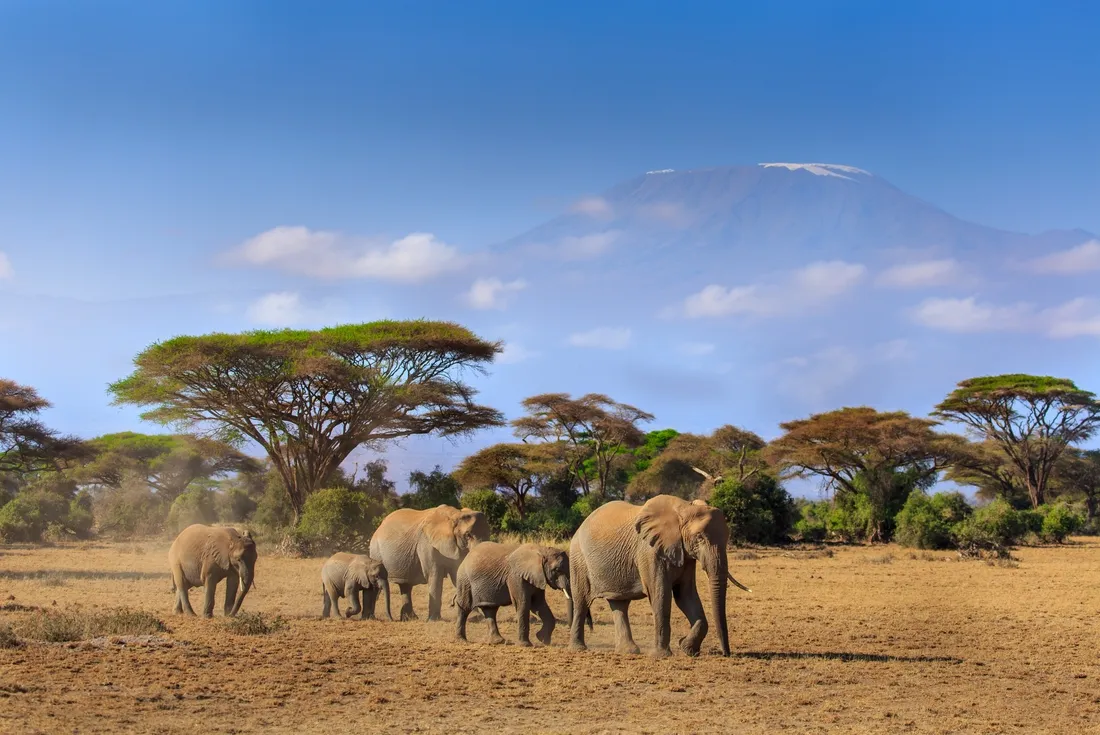
Serengeti & Kilimanjaro Trek
Combined safari and trekking tours offer wildlife adventures and Kilimanjaro climbs.
View Package →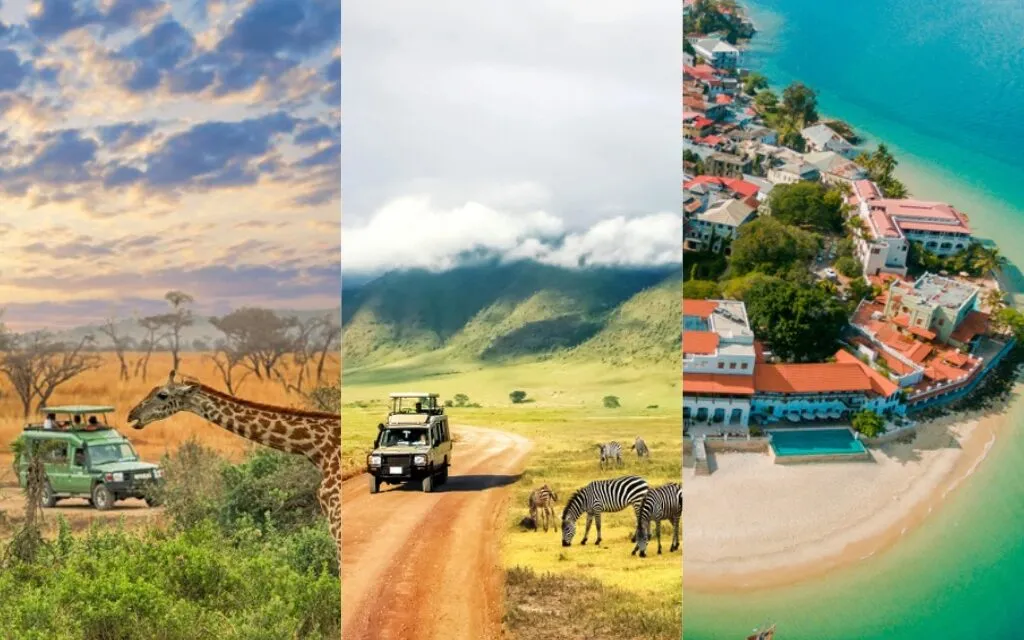
Serengeti & Zanzibar Tours
Luxury Tanzania safari & beach packages with the Great Migration and pristine beaches.
View Package →