
Best Time to Visit the Serengeti 2026/2027: Migration by Region
The Serengeti is productive throughout the year. The “best time” depends on whether you want southern calving plains, western movement, northern river areas, resident predator territory or a quieter green-season visit. Camp location is more important than simply choosing a famous month.
Start Planning Your Safari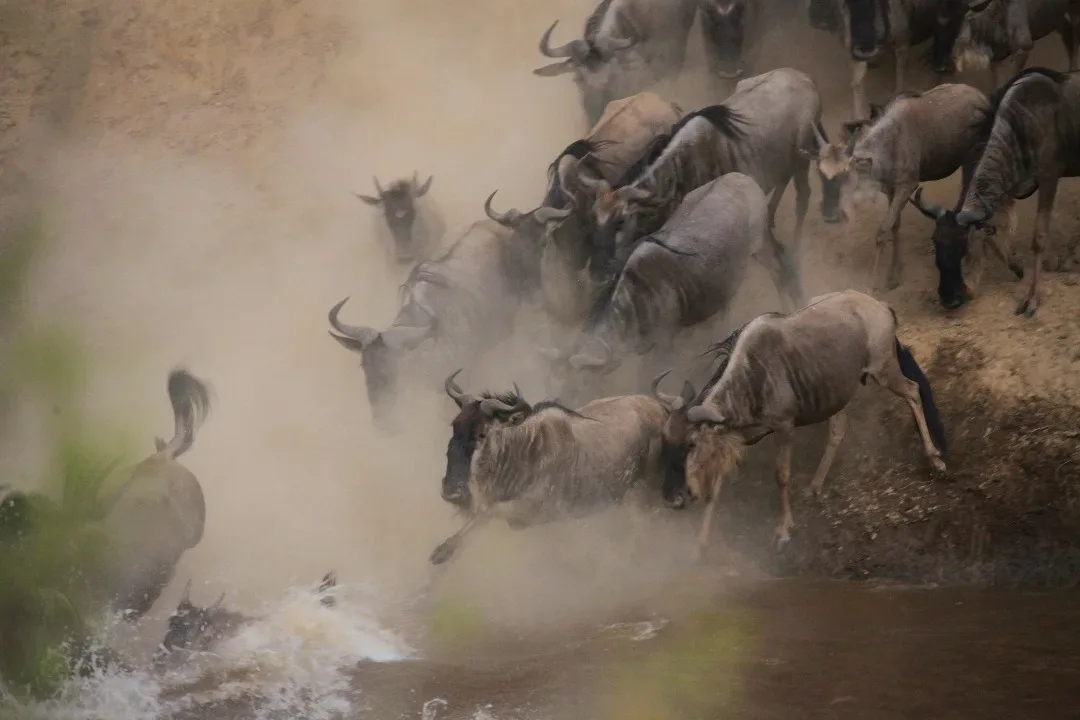
Quick Answer
January–March usually focuses on Ndutu and the southern ecosystem; April–June follows movement through central and western areas; July–October is associated with northern Serengeti and river systems; November–December often brings herds south again. Rainfall can shift timing.
Key Planning Facts
- Southern plains: January to March
- Central/western movement: April to June
- Northern Serengeti: July to October
- Return south: Often November to December
Your Guide to the Great Migration in Serengeti
The Great Migration is one of nature’s most awe-inspiring events, where 1.5 million wildebeest, 200,000 zebras, and thousands of gazelles traverse Serengeti National Park in search of fresh grazing lands and water. This 1,800-mile circular journey is driven by rainfall patterns and attracts predators like lions, cheetahs, and crocodiles, creating thrilling wildlife encounters. Capable Africa Tours designs safaris to align with key migration moments, ensuring you witness the action at its peak. Below, we break down the best times to visit, seasonal highlights, costs, and practical tips for an unforgettable experience.
Why Visit Serengeti for the Great Migration?
Serengeti National Park, a UNESCO World Heritage Site, spans 14,750 square kilometers and hosts the largest terrestrial mammal migration on Earth. Beyond the migration, it’s home to the Big Five (lion, leopard, elephant, buffalo, rhino) and offers vast savannahs, acacia-dotted landscapes, and vibrant ecosystems. With Capable Africa Tours, you’ll explore this iconic destination with expert guides who know the best spots for sightings, ensuring a personalized and immersive adventure.
Best Time to Visit Serengeti for the Great Migration
The Great Migration is a year-round event, but specific months offer distinct experiences. Here’s a detailed breakdown to help you choose the best time for your safari with Capable Africa Tours:
January–March: Calving Season (Southern Serengeti)
During the wet season, the herds gather in the Ndutu region of southern Serengeti for calving. Around 500,000 wildebeest calves are born, attracting predators like lions and hyenas. The lush green landscapes and fewer crowds make this a fantastic time for photography and intimate wildlife encounters.
- Highlights: Newborn calves, predator action, lush scenery, excellent birdwatching (400+ species).
- Weather: Warm (77–86°F), short rains, vibrant landscapes.
- Pros: Fewer tourists, lower costs, ideal for calving season.
- Cons: Occasional rain may make roads muddy.
June–October: Dry Season and River Crossings (Northern Serengeti)
The dry season brings the iconic Mara River crossings in northern Serengeti, where herds face crocodiles and fast currents. This is peak safari season due to sparse vegetation and concentrated wildlife around water sources.
- Highlights: Dramatic river crossings, high predator activity, clear visibility for game viewing.
- Weather: Dry, cooler (68–81°F), clear skies.
- Pros: Best for river crossings, abundant wildlife, comfortable weather.
- Cons: Crowded, higher costs, advance booking required.
April–May: Green Season (Central Serengeti)
The long rains bring lush landscapes to central Serengeti, with fewer tourists and vibrant scenery. The herds are more dispersed, but this is a great time for budget travelers and birdwatchers.
- Highlights: Lush landscapes, fewer crowds, migratory birds.
- Weather: Warm (75–84°F), heavy rains.
- Pros: Lower costs, fewer tourists, scenic beauty.
- Cons: Rainy conditions, some roads may be impassable.
November–December: Short Rains (Southern/Central Serengeti)
The herds begin moving south, offering a quieter safari experience with lush greenery and good wildlife sightings.
- Highlights: Transitioning herds, lush scenery, good birdwatching.
- Weather: Warm (75–84°F), short rains.
- Pros: Moderate crowds, balanced costs, vibrant landscapes.
- Cons: Unpredictable rain, less dramatic migration events.
Pro Tip: Capable Africa Tours recommends June–August for river crossings and January–February for calving. Contact us to align your safari with these key moments.
Serengeti Safari Costs: Budget, Mid-Range, and Luxury
A Serengeti safari can fit various budgets, with costs varying based on accommodation, group size, and inclusions. Here’s a breakdown from Capable Africa Tours:
| Safari Type | Cost per Person per Day | Inclusions |
|---|---|---|
| Budget Safari | $200–$350 | Camping, shared game drives, basic meals |
| Mid-Range Safari | $350–$600 | Comfortable lodges, private vehicles, full-board meals |
| Luxury Safari | $600–$1,500+ | Upscale lodges, private guides, optional flights |
Additional Costs:
- Park Fees: $70–$100 per person per day.
- Visa: $50–$100, depending on nationality.
- Tips: $10–$30 per group per day for guides and staff.
- Flights: International ($800–$2,000), domestic to Serengeti ($150–$300).
- Hot-Air Balloon Ride: $500–$600 per person (optional).
Cost-Saving Tip: Book a group safari or travel in the green season (November–March) for lower rates. Capable Africa Tours offers tailored packages to suit your budget.
Key Wildlife During the Great Migration
The Great Migration isn’t just about wildebeest. It’s a dynamic ecosystem involving multiple species and dramatic predator-prey interactions. Here’s what you can expect:
- Wildebeest: 1.5 million form the migration’s core, moving in massive herds.
- Zebras: 200,000 accompany wildebeest, often leading the way due to their keen senses.
- Gazelles: Thousands of Thomson’s and Grant’s gazelles join the journey.
- Predators: Lions, cheetahs, leopards, hyenas, and crocodiles follow the herds, creating thrilling sightings.
- Birds: Over 400 species, including migratory birds like storks and eagles, especially in the wet season.
The migration covers 1,800 miles annually, with herds moving at speeds up to 50 km/h during river crossings. Approximately 250,000 wildebeest and 30,000 zebras perish due to predators, exhaustion, or drowning.
Practical Tips for Your Serengeti Safari
Planning a Serengeti safari requires preparation. Capable Africa Tours shares these essential tips:
- Book Early: Secure lodges and guides 6–12 months in advance, especially for June–October.
- Pack Smart: Bring neutral-colored clothing (avoid blue/black), binoculars, a high-zoom camera, sunscreen, and insect repellent.
- Health Precautions: Get yellow fever vaccination and malaria prophylaxis. Drink bottled water.
- Safety: Follow your guide’s instructions, stay in the vehicle during game drives, and avoid sharing live GPS locations.
- Connectivity: Purchase a local SIM or eSIM (e.g., Airalo) for data. Wi-Fi is limited in remote camps.
- Currency: Use USD (post-2006 bills) or Tanzanian Shillings. Credit cards may incur a 5% fee at lodges.
Best Areas in Serengeti for the Great Migration
Serengeti’s vast size means the migration’s location varies by month. Here’s where to go:
- Southern Serengeti (Ndutu): January–March for calving, with open plains and predator action.
- Western Corridor (Grumeti River): May–June for early river crossings and lush scenery.
- Northern Serengeti (Mara River): July–October for dramatic Mara River crossings.
- Central Serengeti (Seronera): Year-round wildlife, ideal for April–May or November–December.
Pro Tip: Capable Africa Tours uses real-time migration tracking to position you in the best areas for sightings.
Related Tanzania Safari Guides and Tours
Great Migration Safaris
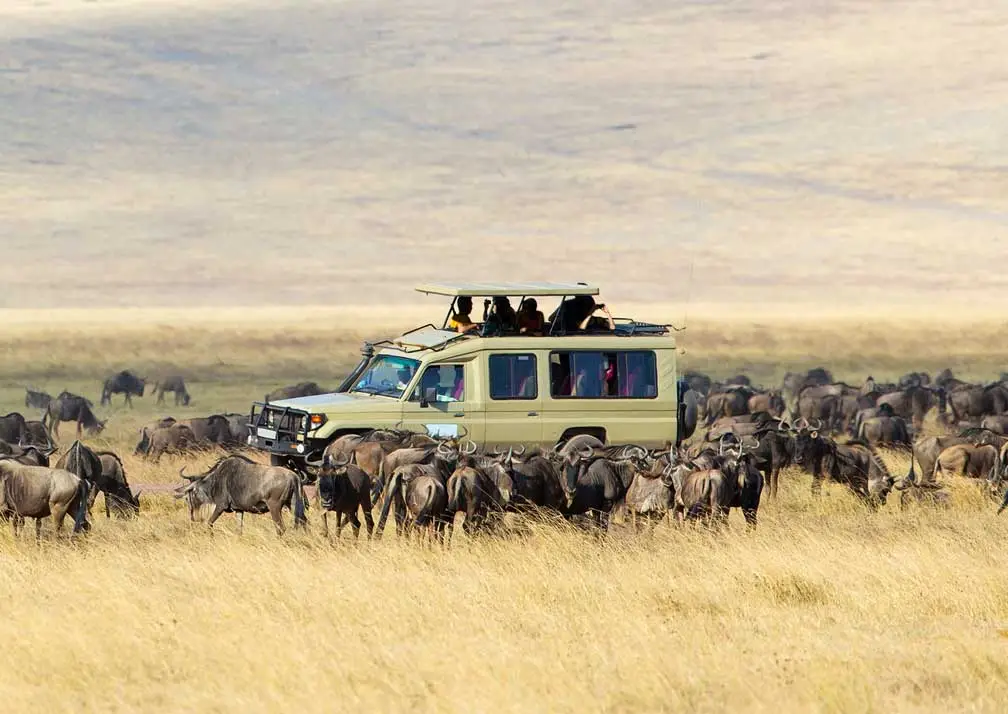
Experience one of nature’s greatest spectacles with our Great Migration safari packages, timed for river crossings or calving.
View Package →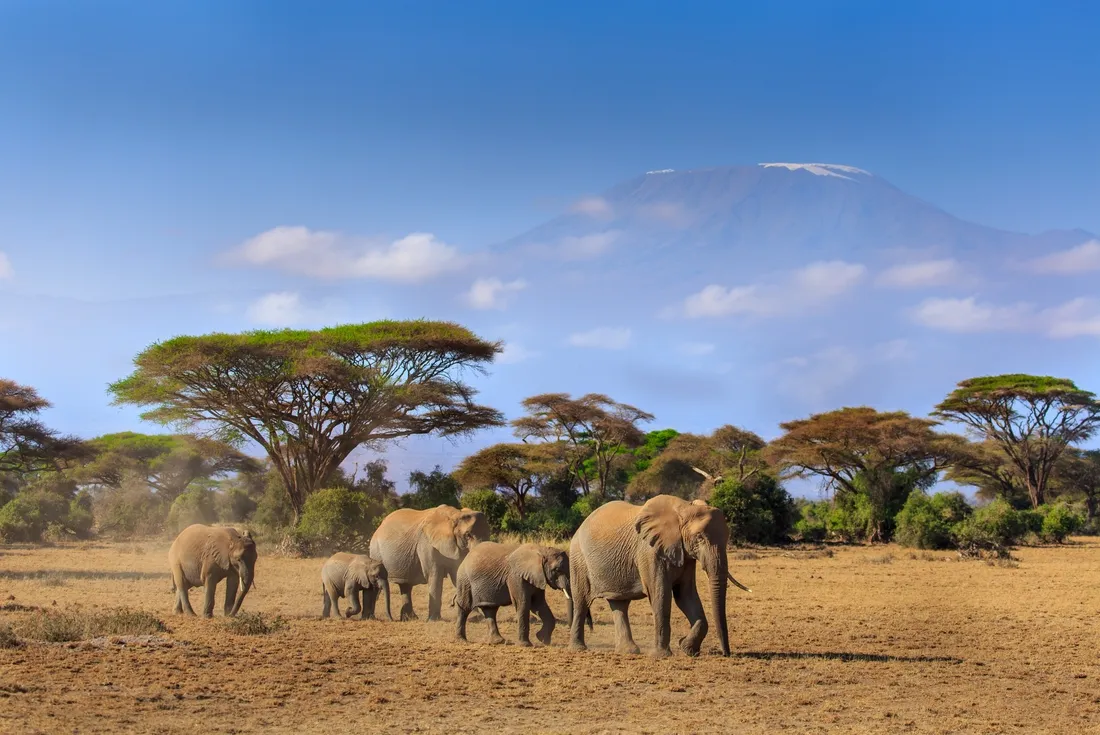
Serengeti & Kilimanjaro Trek
Combined safari and trekking tours offer wildlife adventures and Kilimanjaro climbs.
View Package →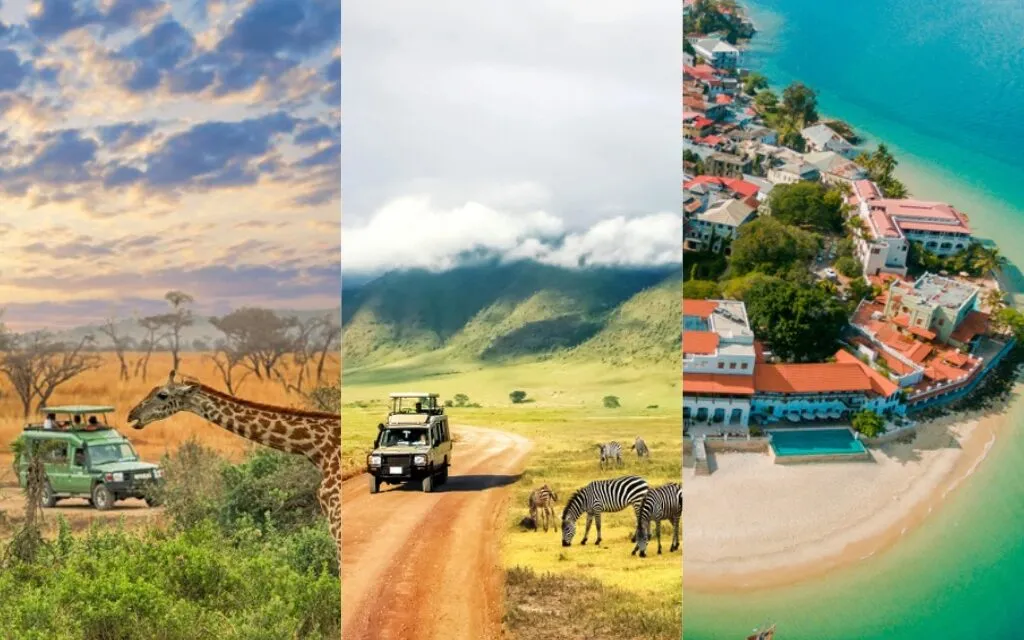
Serengeti & Zanzibar Tours
Luxury Tanzania safari & beach packages with the Great Migration and pristine beaches.
View Package →Choose the Serengeti Region Before the Lodge
A Central Serengeti lodge provides excellent resident wildlife but is not a substitute for Northern Serengeti when the trip’s main objective is the Mara River. Likewise, a northern camp is inefficient for February calving.
River crossings are dramatic but unpredictable and can attract many vehicles. A responsible guide follows designated viewing rules, does not block animals and keeps the trip valuable even when no crossing occurs.
Common Planning Mistakes to Avoid
- Treating migration months as fixed dates.
- Booking Central Serengeti for every seasonal objective.
- Promising a river crossing.
- Spending too few nights in a distant migration region.
- Ignoring ethical vehicle positioning at crossing points.
Local expert note: For migration-focused travel, we prefer at least three nights in the target region where budget allows. Multiple game-drive windows provide more flexibility than a single rushed day.
Plan Your Great Migration Safari with Capable Africa Tours
Ready to witness the Great Migration in Serengeti? Capable Africa Tours crafts personalized safaris with expert guides, eco-friendly practices, and itineraries tailored to your budget and interests. From river crossings to calving season, we’ll ensure you experience the migration’s magic.
- 95% Migration Sighting Success Rate
- Custom Itineraries for All Budgets
- Expert Local Guides Born in Tanzania
- Sustainable and Community-Focused Tours
- Seamless Multi-Destination Adventures
Editorial Review and Sources
Last reviewed on 30 July 2026 by the Capable Africa Tours Tanzania travel-planning team. Operational details, seasonal conditions, accommodation status, park rules and prices can change; confirm the final itinerary and written quotation before booking.
Key fact-check references: TANAPA Mara River crossing guidelines.