
Best Time for a Tanzania Safari 2026/2027: Month-by-Month Guide
Tanzania is a year-round safari destination, but the best month depends on the wildlife event, parks and travel style you value. June to October is dry and popular, January to March is important for southern Serengeti calving, and the green seasons offer birds, dramatic scenery and fewer vehicles.
Plan Your Safari Now
Quick Answer
Choose June–October for dry-season wildlife concentration, January–March for the southern Serengeti and calving period, and November or parts of April–May for greener scenery and lower demand. Migration locations are approximate and should never be guaranteed.
Key Planning Facts
- Dry season: June to October
- Calving focus: January to March, southern ecosystem
- Green-season value: November and parts of March to May
- Year-round option: Ngorongoro and resident Serengeti wildlife
Why Timing Matters for Your Tanzania Safari
Timing your Tanzania safari can make a big difference in what you see and experience. Consider the dry season (June to October) for easier wildlife viewing, as animals gather around water sources and the terrain is more accessible. The wet season (November to May) offers lush landscapes, fewer tourists, and opportunities to see newborn animals, but some roads may be challenging. Plan your safari according to the wildlife and scenery you want to prioritize, and book early to secure the best lodges and guides. Below, we break down the seasons, wildlife highlights, and park-specific recommendations to help you choose the perfect time.
Key Factors to Consider
- Wildlife Viewing: Dry season (June–October) concentrates animals around water sources, making them easier to spot.
- Great Migration: July–September for river crossings; January–February for calving season in the Serengeti.
- Weather: Dry seasons offer clear skies and comfortable temperatures (60–85°F); wet seasons bring lush landscapes but muddy roads.
- Crowds and Costs: Peak season (June–October) is busier and pricier; wet season offers fewer crowds and lower rates.
- Birdwatching: Wet season (November, March–May) attracts migratory birds, ideal for bird enthusiasts.
Seasonal Breakdown for Tanzania Safaris
Tanzania has two main seasons dry and wet each offering unique safari experiences. Dry season (June–October) is ideal for spotting wildlife, as animals gather around water sources. Short rains (November–December) bring lush scenery and fewer tourists, though some roads may be muddy. Long rains (March–May) see most lodges closed, but the landscape is vibrant and birdwatching peaks. Shoulder months (January–February) offer a mix of green scenery and good game viewing. Here’s a detailed look at what each season brings, with data to guide your decision.
Dry Season (June–October)
The dry season is the most popular time for safaris, offering excellent wildlife visibility and comfortable weather. Animals gather around rivers and waterholes, making game drives with Capable Africa Tours highly rewarding.
- Weather: Sunny, 60–85°F, minimal rain.
- Wildlife: High concentration of animals (lions, elephants, zebras) at water sources; Great Migration river crossings (July–September) in Serengeti.
- Pros: Clear trails, vibrant game drives, ideal for photography.
- Cons: Higher crowds, premium pricing ($500–$800/day).
Short Dry Season (January–February)
This period is perfect for witnessing the Great Migration’s calving season in the southern Serengeti, with fewer crowds than June–October.
- Weather: Warm, 65–90°F, occasional light rain.
- Wildlife: Over 500,000 wildebeest calves born; predators like cheetahs and hyenas active.
- Pros: Great Migration calving, moderate crowds, clear views.
- Cons: Slightly unpredictable weather, higher costs than wet season.
Wet Season (March–May, November)
The wet season transforms Tanzania into a lush paradise, ideal for birdwatching and budget travelers, though wildlife is harder to spot due to dense vegetation.
- Weather: Frequent rain, 70–90°F, muddy roads.
- Wildlife: Migratory birds (e.g., flamingos at Lake Manyara), fewer large mammals visible.
- Pros: Lower costs ($300–$500/day), fewer tourists, vibrant landscapes.
- Cons: Slippery trails, limited visibility, some lodges close.
Seasonal Data Table
| Season | Months | Weather | Wildlife Highlights | Crowds | Cost (per person/day) |
|---|---|---|---|---|---|
| Peak Dry | Jun–Oct | Sunny, 60–85°F | River crossings, Big Five | High | $500–$800 |
| Short Dry | Jan–Feb | Warm, 65–90°F | Calving season, predators | Moderate | $400–$700 |
| Wet | Mar–May, Nov | Rainy, 70–90°F | Birdwatching, lush scenery | Low | $300–$500 |
Best Parks and Their Seasonal Highlights
Tanzania’s national parks each offer unique experiences, and the best time to visit depends on the park. Here’s a guide to help you plan with Capable Africa Tours.
Serengeti National Park
Best Time: June–October (river crossings), January–February (calving season).
- Highlights: Great Migration (1.5 million wildebeest, 200,000 zebras), Big Five, vast savannahs.
- Why Visit: Iconic for dramatic wildlife movements; 80% of visitors report seeing lions and cheetahs in dry season.
Ngorongoro Crater
Best Time: Year-round, with June–October optimal for clear views.
- Highlights: Dense wildlife (25,000 animals in 260 km²), including rhinos, lions, and flamingos.
- Why Visit: Compact area ensures high wildlife sightings; 95% chance of seeing the Big Five.
Tarangire National Park
Best Time: June–October for elephant herds.
- Highlights: Largest elephant population (3,000+), baobab trees, diverse birdlife.
- Why Visit: Less crowded than Serengeti, ideal for elephant lovers.
Lake Manyara National Park
Best Time: November–May for birdwatching, June–October for general wildlife.
- Highlights: Flamingos, tree-climbing lions, 400+ bird species.
- Why Visit: Compact park with diverse ecosystems, perfect for half-day visits.
What Wildlife Viewing Looks Like Across the Seasons
Experience the thrill of a Tanzania safari with Capable Africa Tours. Watch this video showcasing the Great Migration, Big Five sightings, and stunning landscapes of Serengeti and Ngorongoro.
Planning and Packing for Your Safari
When planning and packing for your safari, focus on versatile, lightweight clothing in neutral colors to blend with wildlife and the environment. Bring layers for fluctuating temperatures, from warm mornings to hot afternoons and cool evenings. Don’t forget essentials like a wide-brimmed hat, sunglasses, comfortable walking shoes, and insect repellent. Pack binoculars, a camera, and a daypack for excursions. Below is a comprehensive guide to planning and packing for your safari, designed to cover all essentials for a smooth and enjoyable adventure with Capable Africa Tours.
Packing Checklist
- Clothing: Neutral-colored long-sleeve shirts, pants, and a lightweight fleece (60–90°F).
- Accessories: Wide-brimmed hat, UV400 sunglasses, SPF 50+ sunscreen, insect repellent.
- Equipment: Binoculars (8x42 recommended), camera with zoom lens (200mm+), extra batteries.
- Other: Reusable water bottle, daypack (20–30L), personal medications.
Travel Tips
- Visa: Most visitors need a Tanzania tourist visa ($50–$100), obtainable online or on arrival.
- Vaccinations: Yellow fever vaccine required if coming from endemic areas; malaria prophylaxis recommended.
- Currency: Tanzanian Shilling (TZS), but USD widely accepted; carry small bills for tips ($10–$20/day for guides).
- Safety: Follow guide instructions; avoid walking alone in parks.
Costs and Inclusions with Capable Africa Tours
A Tanzania safari with Capable Africa Tours ranges from $200–$400 per person per day, depending on lodging (budget camping to luxury lodges), group size, and itinerary length. Our packages are all-inclusive for a hassle-free adventure.
What’s Included
- National park fees ($50–$100/day per park).
- Expert guides and 4x4 safari vehicles with pop-up roofs.
- Meals (full board), purified water, and camping/lodge accommodations.
- Airport transfers from Kilimanjaro International Airport.
- Safety measures, including first aid kits and emergency plans.
Additional Costs
- International flights ($800–$1,500).
- Travel insurance (covering medical evacuation).
- Tips for guides and drivers ($10–$20/day).
- Optional activities (hot air balloon rides, $500–$600).
Choose the Month Around Your Main Priority
Wildlife does not disappear in the wet season. The difference is visibility, road access, animal distribution, camp openings and the type of landscape. Tarangire is strongest in the dry season, while birding and photography can be excellent in greener months.
The Great Migration is a continuous movement influenced by rainfall. Select the Serengeti region and camp location for the season, but keep expectations flexible. River crossings and exact herd positions cannot be scheduled.
Common Planning Mistakes to Avoid
- Calling one month best for every park and traveler.
- Booking a migration camp in the wrong Serengeti region.
- Assuming wet season means continuous rain.
- Ignoring peak-season room availability and crowding.
- Planning tight road transfers in the long rains.
Local expert note: We begin with the traveler’s dates and wildlife priority, then choose parks and camp regions. This is more reliable than forcing a famous itinerary into the wrong month.
Plan Your Tanzania Safari Around the Right Season
Join Capable Africa Tours for a tailor-made safari experience. Witness the Great Migration, spot the Big Five, and explore Tanzania’s iconic parks with expert guides. Book now to secure your spot!
- Customized itineraries for Serengeti, Ngorongoro, and more.
- Expert guides with 10+ years of safari experience.
- All-inclusive packages with meals and transfers.
- Eco-friendly tours supporting local communities.
- Combine with Kilimanjaro or Zanzibar for a complete adventure.
Limited spots for peak season safaris—book now with Capable Africa Tours!
Plan Your Safari NowRelated Tanzania Safari Guides and Tours
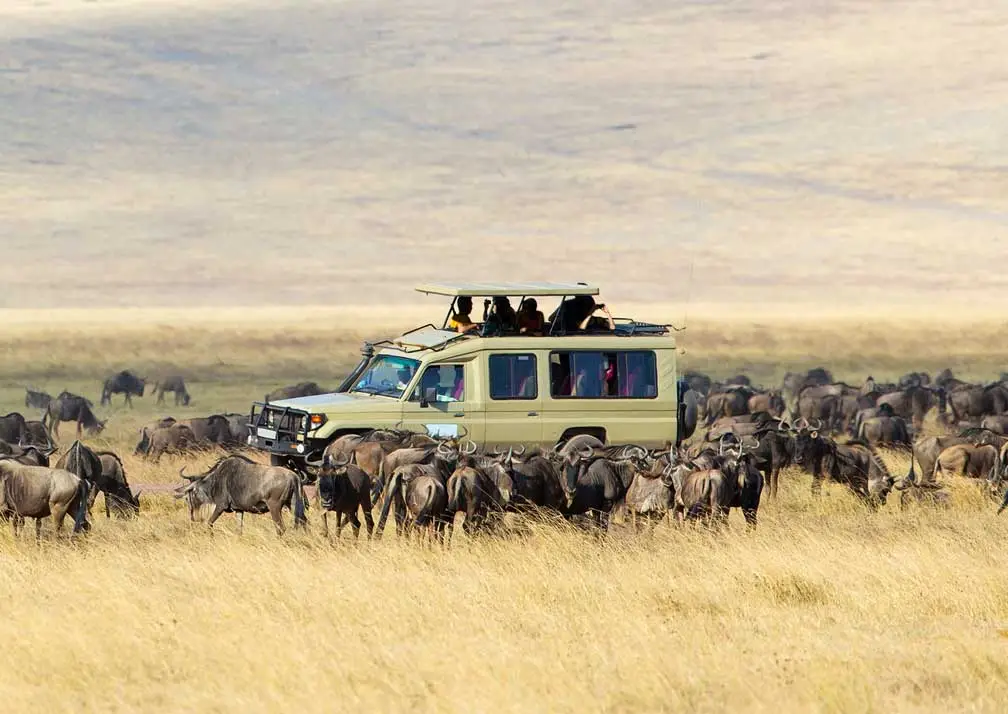
Great Migration Safaris
Experience one of nature’s greatest spectacles with our Great Migration safari packages, timed for river crossings or calving.
View Package →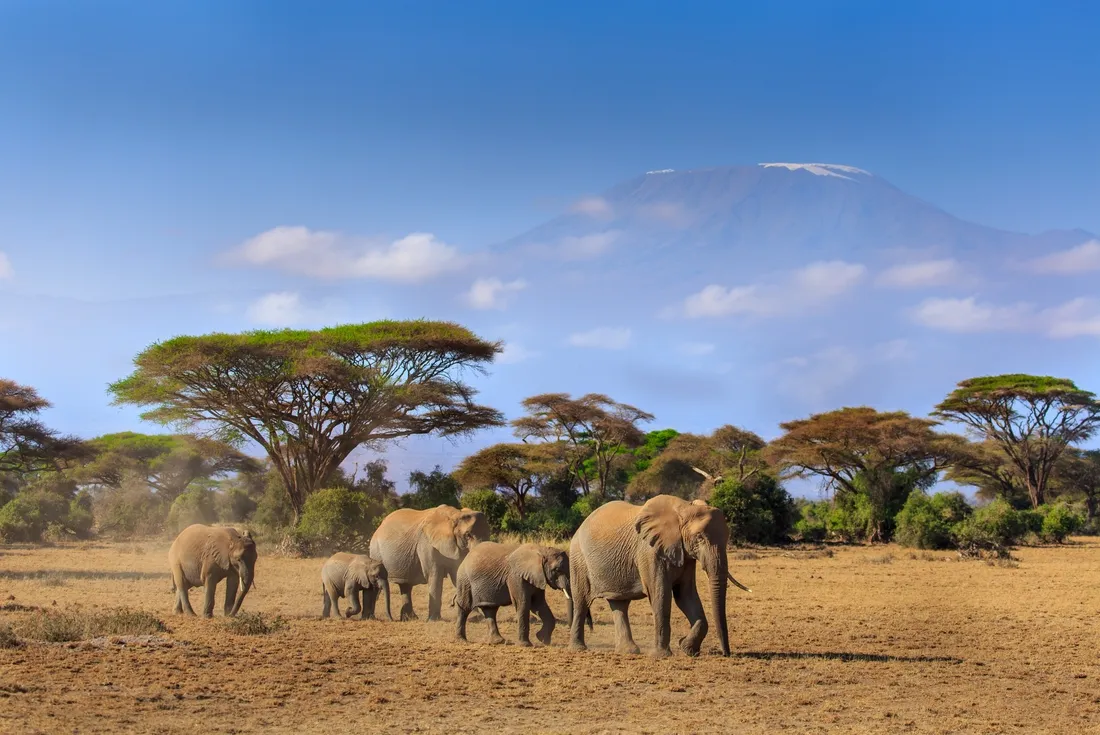
Serengeti & Kilimanjaro Trek
Combined safari and trekking tours offer wildlife adventures and Kilimanjaro climbs.
View Package →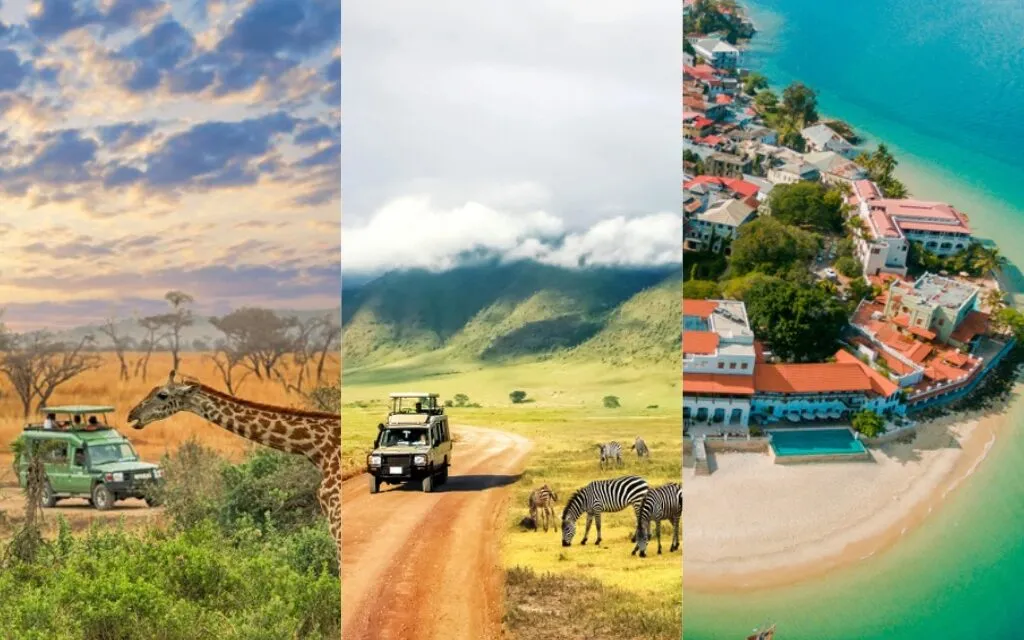
Serengeti & Zanzibar Tours
Luxury Tanzania safari & beach packages with the Great Migration and pristine beaches.
View Package →Editorial Review and Sources
Last reviewed on 30 July 2026 by the Capable Africa Tours Tanzania travel-planning team. Operational details, seasonal conditions, accommodation status, park rules and prices can change; confirm the final itinerary and written quotation before booking.
Continue Planning
Frequently Asked Questions
Safari planning by month and travel style
January planning notes
January is commonly warm and relatively dry in northern Tanzania. Southern Serengeti and Ndutu can be important for the calving-season movement, while exact herd positions still depend on rainfall.
Trip styles to compare: family, luxury, ngorongoro, photography, serengeti, walking. Choose by realistic routing and current wildlife conditions, not by the month name alone.
February planning notes
February often supports Ndutu and southern Serengeti wildlife viewing, including the wider calving period. Availability can tighten, so routes and camps should be confirmed early.
Trip styles to compare: birdwatching, family, honeymoon, luxury, ngorongoro crater, photography, serengeti. Choose by realistic routing and current wildlife conditions, not by the month name alone.
March planning notes
March can begin dry and become wetter later. Green scenery and fewer vehicles may appeal to flexible travelers, but road and migration conditions must be checked close to travel.
April planning notes
April is usually within the long-rains period. Some lodges close, roads can be slower, and value may improve; itineraries need realistic drive times and flexible contingency planning.
May planning notes
May is often greener and quieter, with the long rains easing at an uncertain pace. Migration planning should follow current field reports rather than a fixed calendar promise.
June planning notes
June usually marks a drier transition and the start of peak-season demand. Herds may move through the western corridor, but location varies with rainfall and grass.
July planning notes
July is normally dry and popular. Northern and western Serengeti planning becomes important, while river crossings remain natural events that cannot be guaranteed.
August planning notes
August is peak dry season in much of the northern circuit. Wildlife often concentrates around water, northern Serengeti demand is strong, and early accommodation booking matters.
September planning notes
September is typically dry, dusty and busy. It is strong for general wildlife viewing, but routes should balance northern Serengeti ambitions against transfer time and cost.
October planning notes
October often remains dry early and becomes more changeable later. Northern Serengeti can still be relevant, while short-rain timing cannot be promised.
November planning notes
November commonly brings short rains, greener scenery and changing herd movement toward eastern and southern Serengeti. Road conditions and exact migration location require current checks.
December planning notes
December can combine short-rain conditions with holiday demand. Southern and eastern Serengeti may become more relevant, but festive pricing and availability require early confirmation.
Trip styles to compare: festive zanzibar. Choose by realistic routing and current wildlife conditions, not by the month name alone.