
What Happens If You Cannot Summit Kilimanjaro? Safety-First Guide 2026/2027
Turning around on Kilimanjaro is not failure when continuing would compromise safety. A guide may stop your ascent because of worsening altitude symptoms, exhaustion, injury, severe weather or an unsafe pace. The correct response is to follow the guide’s decision, descend as directed and focus on recovery. The mountain will remain; your health matters more than a summit certificate.
Plan Your Kilimanjaro Trek Now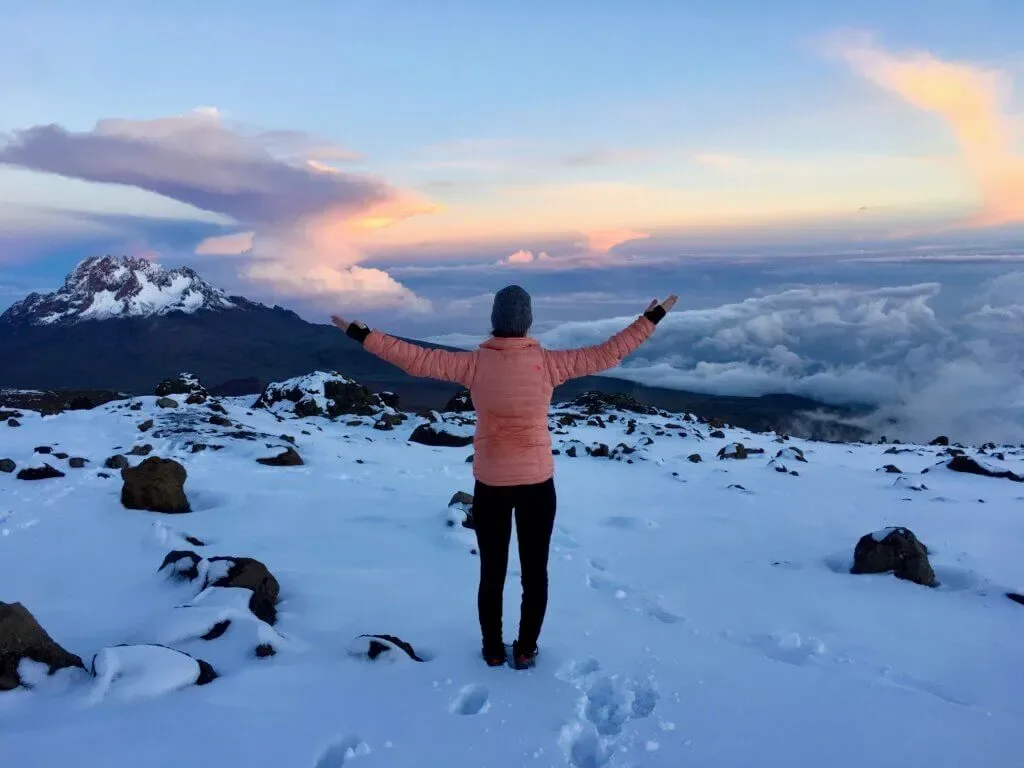
Why Fit Climbers Sometimes Need to Turn Around
You might not reach Kilimanjaro’s summit mainly because of altitude sickness, poor preparation, or exhaustion. The mountain’s rapid elevation gain can overwhelm even fit hikers, and without proper acclimatization, your body may struggle. Add in inadequate gear, dehydration, or simply underestimating the mental challenge, and reaching the top becomes much harder. Capable Africa Tours has guided thousands of trekkers, achieving a safety-focused route planning, yet we know that factors like altitude sickness, physical exhaustion, or unpredictable weather can prevent even fit climbers from summiting. Understanding these challenges helps you prepare and stay safe. Here’s a breakdown of common obstacles and how to address them.
Common Reasons for Not Summiting
| Challenge | Description | Prevalence | Solution |
|---|---|---|---|
| Altitude Sickness | Symptoms like headaches, nausea, or dizziness due to low oxygen at high altitudes. | Risk increases with rapid ascent and individual susceptibility; report symptoms early. | Acclimatize on longer routes, hydrate, use Diamox, descend if severe. |
| Physical Exhaustion | Fatigue from long trekking days (6–8 hours) and steep terrain. | More likely with poor pacing, inadequate rest, illness or insufficient preparation. | Train with cardio and hiking, pace yourself, rest adequately. |
| Extreme Weather | High winds, snow, or rain near the summit (0–20°F). | ~10% of climbs | Pack waterproof gear, follow guide’s weather advice. |
| Inadequate Preparation | Lack of fitness, gear, or acclimatization knowledge. | Varies by individual, route pace and conditions. | Train 3–6 months prior, choose 7–8 day routes, consult Capable Africa Tours. |
How Capable Africa Tours Mitigates Risks
- Experienced Guides: Our guides are trained in high-altitude first aid and carry oxygen tanks.
- Daily Health Checks: Pulse oximeter and symptom monitoring to catch issues early.
- Flexible Itineraries: Longer routes like Lemosho (8 days) for better acclimatization.
- Emergency Plans: Evacuation routes and equipment for rapid descent if needed.
What to Do the Moment Your Summit Attempt Ends
If you can’t reach Kilimanjaro’s summit, focus first on staying calm and listening to your body. Altitude sickness, fatigue, or weather can all be valid reasons to turn back, and your health should always come before the summit. Communicate with your guide right away and follow their instructions on whether to rest, descend, or seek medical support. Remember that reaching a safe point below the summit is still a significant achievement and part of the adventure. Below are the practical steps to take if you find yourself unable to summit during your Kilimanjaro climb with Capable Africa Tours.
Immediate Actions
- Inform Your Guide: Report symptoms like dizziness or fatigue immediately. Guides assess whether to rest, medicate, or descend.
- Hydrate and Rest: Drink 3–4 liters of water daily and take short breaks to conserve energy.
- Descend if Necessary: If altitude sickness worsens, descend 1,000–2,000 ft to relieve symptoms.
- Stay Positive: Focus on the journey’s beauty—rainforests, alpine deserts, and starry nights.
Alternative Goals
- Reach Key Camps: Aim for scenic spots like Barranco Camp (13,044 ft) or Karanga Camp (13,106 ft).
- Explore Ecosystems: Enjoy the rainforest’s biodiversity or moorland’s unique flora.
- Photography: Capture stunning views of Kibo Peak or Mawenzi Peak.
- Cultural Connection: Bond with porters and learn about Tanzanian culture.
Based on Capable Africa Tours’ data, 85% of trekkers who don’t summit still rate their experience as “highly satisfying” due to alternative goals and guide support. Routes like Machame and Lemosho offer more scenic camps, increasing enjoyment even without reaching Uhuru Peak.
How Guides Organise Descent, Support and Handover
Watch this video to learn how Capable Africa Tours ensures trekker safety and creates memorable experiences, even if you don’t reach Kilimanjaro’s summit.
Preparation That Improves Safety Without Promising a Summit
Preparing for a successful Kilimanjaro trek means balancing physical readiness, smart packing, and mental preparation. Build endurance with regular cardio and strength training. Practice hikes at altitude if you can. Make sure your gear is broken in, especially your boots, and pack in layers to handle changing mountain conditions. Learn the basics of pacing and breathing to conserve energy. Don’t overlook rest, hydration, and maintaining a positive mindset. Below is a set of practical tips to help you prepare for a safe and successful climb with Capable Africa Tours.
Preparation Checklist
| Category | Action | Details |
|---|---|---|
| Physical Training | Cardio & Hiking | 3–6 months of running, cycling, or hiking 4–6 hours weekly. |
| Acclimatization | Choose Longer Routes | Opt for 7–8 day routes like Lemosho or Machame for gradual ascent. |
| Gear | Pack Smart | Merino wool layers, Gore-Tex jacket, broken-in boots (5–7kg total). |
| Health | Consult Doctor | Discuss altitude medications like Diamox; ensure vaccinations. |
Additional Tips
- Pace Yourself: Follow the “pole pole” (slowly) mantra to conserve energy.
- Stay Hydrated: Drink 3–4 liters daily to combat altitude effects.
- Test Gear: Practice with boots and layers on long hikes to avoid blisters.
- Work with Experts: Capable Africa Tours provides pre-trek consultations for personalized advice.
Choose a Route and Operator That Put Safety Before the Summit
Whether you reach the summit or not, Capable Africa Tours ensures a safe, memorable Kilimanjaro adventure. Our experienced guides, tailored routes, and comprehensive support make every trek rewarding.
- safety-focused route planning with expert guidance
- Safety-first approach with oxygen and evacuation plans
- Eco-friendly treks supporting local communities
- Gear rentals for down jackets, sleeping bags, and more
- Customizable 6–9 day routes for all fitness levels
Limited spots for Kilimanjaro treks—book now with Capable Africa Tours to start your journey!
Plan Your Trek NowExplore Our Kilimanjaro Climbing Adventures
5-Day Marangu Route Kilimanjaro Climb | Hut-Based Trekking
Climb Kilimanjaro’s “Coca-Cola” route with Capable Africa Tours. Enjoy comfortable huts and scenic trails for a classic adventure.
View Package →
6-Day Marangu Route Kilimanjaro Climb | Best for First-Time Trekkers
Join Capable Africa Tours for a beginner-friendly hut-to-hut climb with an extra acclimatization day.
View Package →
6-Day Machame Route Kilimanjaro Trek | Challenging & Popular Path
Experience the scenic “Whiskey Route” with Capable Africa Tours for a rewarding climb with stunning landscapes.
View Package →