
How Many Days to Climb Kilimanjaro in 2026/2027? Route Comparison
Most Kilimanjaro climbs take five to nine mountain days. The minimum schedule is not automatically the best schedule: each extra acclimatisation day can make the pace more manageable, but no duration guarantees a summit. For many first-time high-altitude trekkers, seven or eight days provides a better balance than the shortest routes. Your arrival, hotel and departure nights are normally additional.
Plan Your Kilimanjaro Trek Now
Kilimanjaro Takes 5–9 Mountain Days—Here Is What Changes
Climbing Kilimanjaro typically takes five to nine mountain days, depending on the route. Shorter schedules gain altitude faster, while longer routes provide more time for acclimatisation and recovery. No route can guarantee a summit. Capable Africa Tours compares itineraries by pace, scenery, camping style and safety rather than publishing unsupported success percentages.
Route Durations and Acclimatisation Trade-Offs
| Route | Days | Distance (km) | Success Rate | Difficulty | Accommodation |
|---|---|---|---|---|---|
| Marangu | 5–6 | 64–72 | 65–80% | Moderate | Huts |
| Machame | 6–7 | 62 | 85–90% | Challenging | Tents |
| Lemosho | 7–8 | 70 | 90–95% | Challenging | Tents |
| Rongai | 6–7 | 73 | 80–85% | Moderate | Tents |
| Northern Circuit | 8–9 | 98 | 95–98% | Moderate | Tents |
| Umbwe | 6–7 | 53 | 70–80% | Very Challenging | Tents |
Why the Cheapest or Shortest Route Can Be the Wrong Choice
Selecting the right route affects acclimatisation, safety, scenery, crowd levels and cost. Longer schedules generally allow a more gradual ascent, while shorter Marangu or Machame itineraries are more compressed. Route choice should reflect your experience, health preparation and preferred accommodation style.
Key Factors to Consider
- Acclimatisation: Longer routes allow a slower gain in sleeping altitude and more time to observe how your body responds.
- Scenery: Lemosho and Machame offer diverse landscapes, from rainforests to glaciers.
- Difficulty: Routes like Umbwe are steep and suited for experienced hikers.
- Budget: Shorter routes are cheaper but compromise success rates.
- Accommodation: Marangu offers huts; others use tents for a rugged experience.
Visualize Your Kilimanjaro Climb
Join Capable Africa Tours for an unforgettable Kilimanjaro adventure. Watch this map to explore the routes and plan your trek.
Planning Choices That Support Safety Without Promising a Summit
A successful Kilimanjaro climb requires preparation, the right mindset, and smart packing. Training in advance, pacing yourself, and staying hydrated are key to handling the altitude and challenging terrain. Choosing the right gear and working with an experienced trekking company can greatly improve your chances of reaching the summit safely. Here’s a list of practical tips to help you prepare for a 6–9 day Kilimanjaro trek with Capable Africa Tours.
- Choose a Longer Route: Seven to nine days often offers a more manageable pace than the shortest itineraries.
- Train in Advance: Prepare with 3–6 months of cardio, hiking, and strength training (e.g., 5–10km hikes with elevation).
- Pack Smart: Use a 30–40L daypack and rent heavy gear like sleeping bags from Capable Africa Tours.
- Hydrate Well: Drink 3–4L of water daily to combat altitude effects.
- Listen to Guides: Follow your guide’s pace (“pole pole” or slowly) to conserve energy.
- Monitor Health: Report symptoms of altitude sickness immediately for timely intervention.
Choose Your Route Length Before Comparing Package Prices
Embark on an epic adventure with Capable Africa Tours. Our expert guides, tailored itineraries, and safety-focused route planning on longer routes ensure a safe and unforgettable climb to Uhuru Peak.
- safety-focused route planning on Lemosho and Northern Circuit
- Experienced, certified guides with local expertise
- Eco-friendly treks supporting local communities
- Comprehensive gear rentals and all-inclusive packages
- Flexible itineraries for all fitness levels
Limited spots for Kilimanjaro treks — book now to secure your climb!
Plan Your Trek NowExplore Our Kilimanjaro Climbing Packages
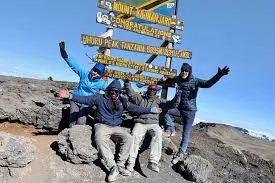
6-Day Machame Route Kilimanjaro Trek | Scenic & Challenging
Experience the “Whiskey Route” with stunning views and a high success rate. Perfect for adventurous trekkers seeking a rewarding climb.
View Package →
8-Day Lemosho Route Kilimanjaro Climb | Best for Acclimatization
Lemosho offers a scenic western approach and is commonly planned over seven or eight days for a more gradual ascent.
View Package →
9-Day Northern Circuit Kilimanjaro Trek | Highest Success Rate
The Northern Circuit provides the longest common approach and extensive acclimatisation time, but summit outcomes still vary.
View Package →