
Is Seven Days Enough for a Proper Birdwatching Safari?
Quick answer: Yes, for a rewarding introduction to northern Tanzania’s woodland, lake-edge, grassland and highland birds. The trick is to give each habitat sufficient time. A birding trip should not be driven at the pace of a Big Five checklist.
Some guests arrive with a field guide full of marked pages. Others simply want to learn to recognise the birds calling outside the lodge each morning. Tell us which group you fall into. A specialist may care about particular raptors or endemics; a beginner often gets more from unhurried explanations and the chance to look through binoculars without the vehicle moving.
This sample starts and ends in Arusha. We suggest Lake Manyara, Tarangire, Serengeti and Ngorongoro, with two nights in the Serengeti. The precise park order and the guide’s birding expertise are confirmed in the quotation.
Birdwatching Safari at a Glance
| Planning detail | What to expect |
|---|---|
| Duration | 7 days / 6 nights |
| Starting point | Arusha hotel or another confirmed pickup point |
| Habitats | Groundwater forest, lake edge, riverine woodland, plains and highlands |
| Guide | Experienced driver-guide; request bird-specialist availability before confirmation |
| Vehicle | Private 4×4 recommended for patient observation |
| Best approach | Slow driving, stops for calls and behavior, realistic birding targets |
Your Seven-Day Itinerary
This is a workable planning example. Exact lodge locations, operating hours, transfers and weather determine the confirmed daily schedule; we will send you the final route before booking.
Day 1 — Arusha to Lake Manyara: forest birds and lake habitat
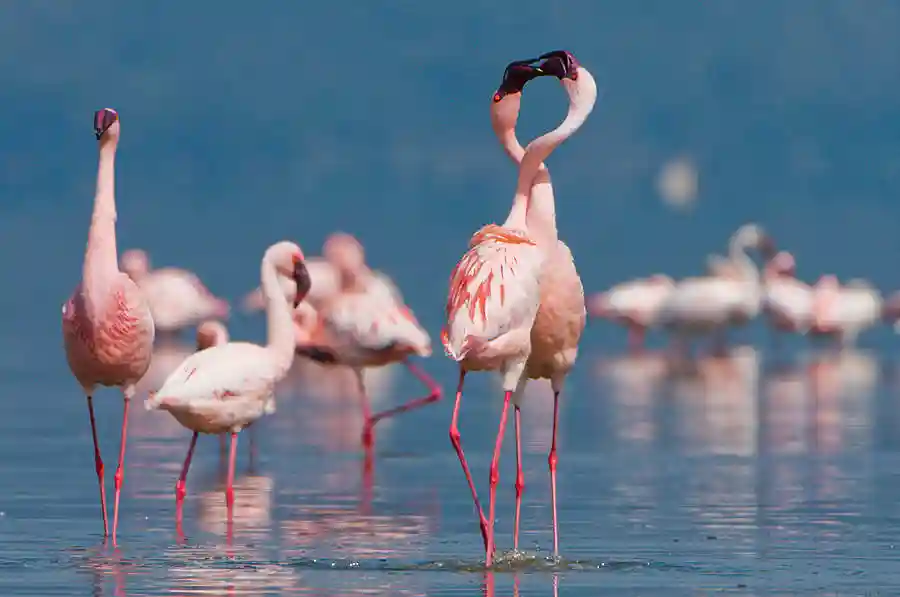
Meet your guide in Arusha and travel toward Lake Manyara. Rather than racing straight to a lion sighting, spend time in the forest listening for calls, watching hornbills, turacos and other woodland birds when conditions allow. At the lake edge, look for waterbirds from permitted areas. Water levels influence how much shoreline is accessible, so flamingo sightings cannot be promised. Overnight near Manyara or Karatu.
Day 2 — Lake Manyara area to Tarangire: a change in habitat
Leave your accommodation after breakfast and head to Tarangire. Acacia woodland, river corridors and open patches can produce very different species from yesterday’s forest. Stop safely when something catches your eye: bee-eaters on a branch or an unfamiliar raptor overhead. The afternoon is deliberately not packed with extra attractions. Overnight near or in the Tarangire area.
Day 3 — Tarangire: a full birding day
Spend another day in Tarangire rather than squeezing a second park into the same daylight. Early hours can be rewarding for calls and feeding activity. Scan wetland edges where open and permitted, and allow time for birds in the woodland canopy. You may also see elephants and other mammals, but birds are the reason for the pace. Return to the same lodge for the night.
Day 4 — Through the highlands to Serengeti
Travel toward Serengeti via the Ngorongoro Conservation Area. The journey takes several hours, and gate procedures matter; do not count this as a full birding day. Watch for changes in vegetation and stop at permitted viewpoints. Once in Serengeti, spend the remaining time searching the plains for larger terrestrial birds and raptors. Overnight in a camp positioned for tomorrow’s drive.
Day 5 — Serengeti: raptors and open plains
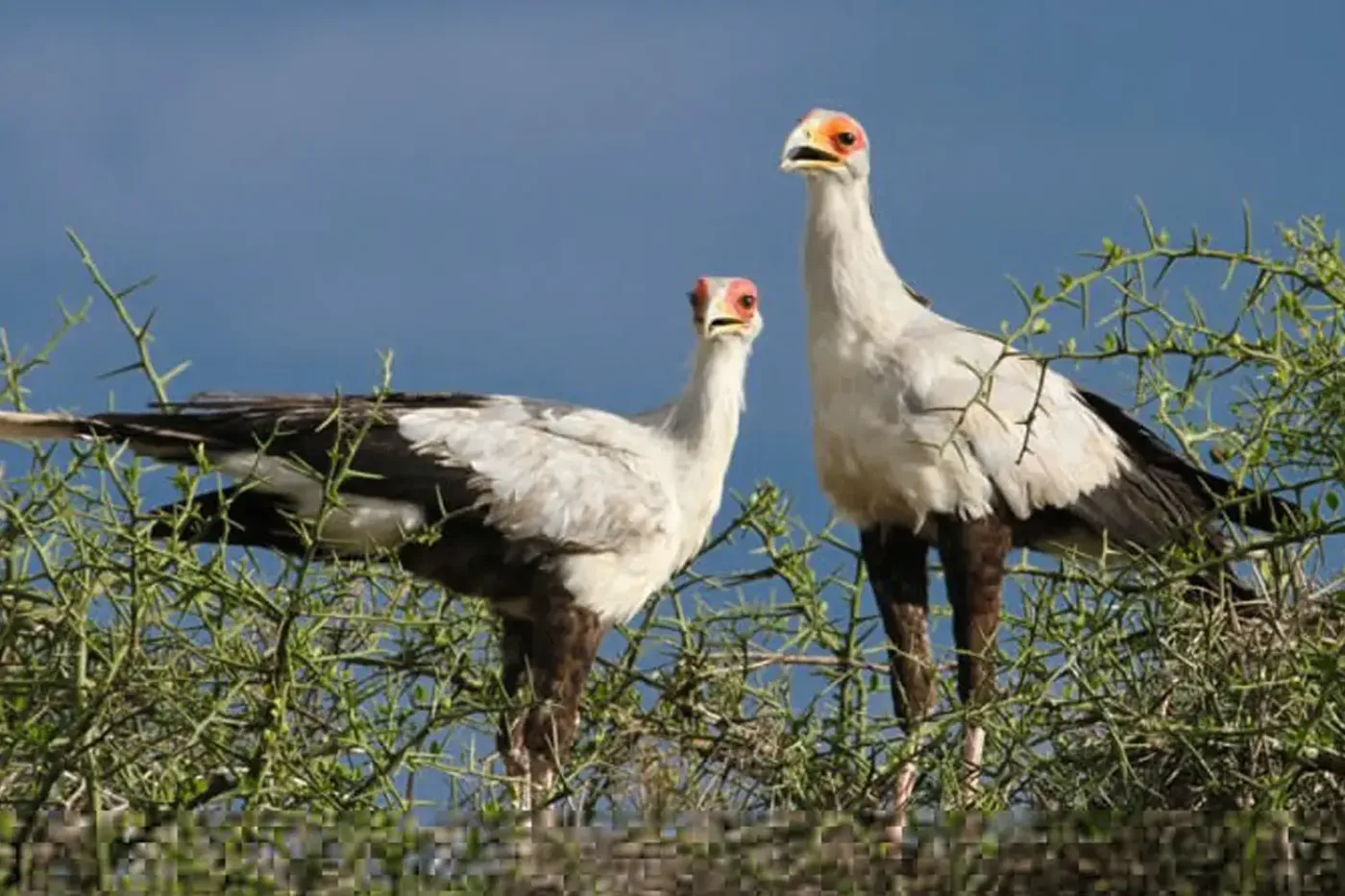
Leave early with binoculars and a packed breakfast if arranged. Secretary birds, bustards, vultures and other raptors are among the birds that make this landscape interesting, although not every species appears on every drive. Your guide can revisit productive habitat instead of chasing distant reports. A long picnic stop may be a good chance to study birds quietly without disrupting them.
Day 6 — Serengeti to Ngorongoro highlands
Enjoy a short morning observation drive while exiting Serengeti and continue to the Ngorongoro highlands. The scenery and birdlife change as elevation and vegetation change. This is a travel day, so do not promise an extended Serengeti session and late-afternoon crater visit together. Overnight near the crater or in Karatu, depending on the chosen property.
Day 7 — Ngorongoro Crater birding and return to Arusha
Descend into the crater early in line with operating rules. Scan grassland, wet areas and the crater floor from the vehicle. You may see flamingos or other waterbirds depending on lake conditions, alongside large mammals. After the visit, drive back toward Arusha. Arrange a separate night if you need a relaxed finish or have a tight evening international flight.
Birding Habitats Worth Slowing Down For
Lake Manyara is not simply a flamingo stop. Its forest and woodland transitions allow a different mix of birds from the nearby open country. The lakeshore changes with seasonal water levels, which affects both access and bird concentrations.
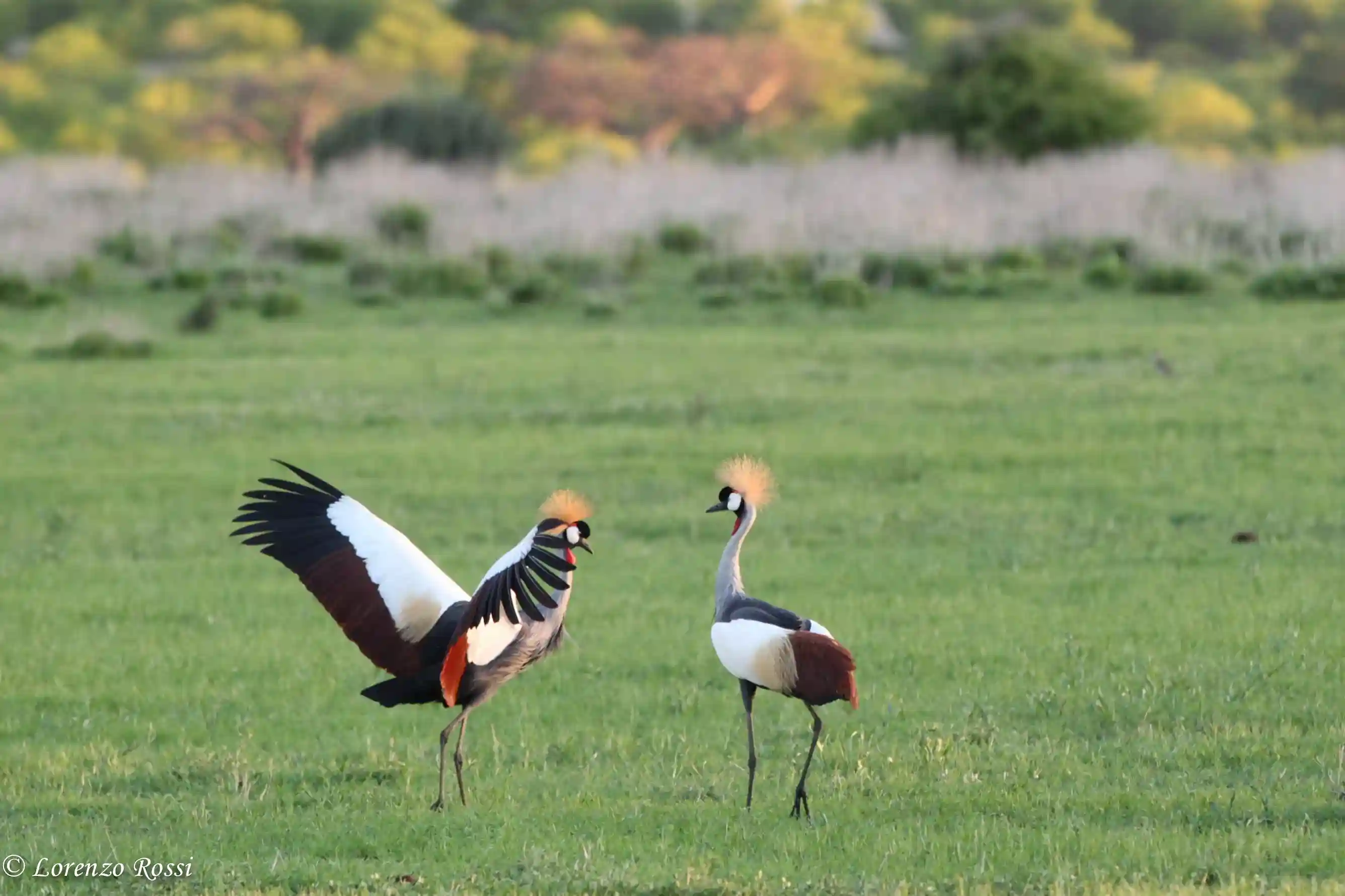
Tarangire rewards people who stop looking only at elephants. Raptors, small woodland species and birds near seasonal water can turn an ordinary drive into a long day of observation. Serengeti adds open-country birds, while Ngorongoro brings another shift in habitat and altitude.
Which Season Should Birdwatchers Choose?
| Choice | Best fit | Important limitation |
|---|---|---|
| Greener months | Migratory visitors, breeding activity and lush habitat | Rain can slow roads and some tracks become difficult |
| Drier months | Clearer road conditions and easy combination with mammal viewing | Fewer seasonal migrants in some areas |
| Specific target species | Dates chosen for known habitat and season | No operator can guarantee an exact bird sighting |
Will You Have a Birdwatching Specialist?
A normal safari driver-guide may know a great deal about birds, but specialist birding is a different service. If you want identification by call, a specific bird list or extended bird photography, say so before paying. Capable Africa Tours can check appropriate guide availability and quote that arrangement explicitly.
Please share any target species. We will tell you honestly when a seven-day northern itinerary does not suit a distant or highly specialised target instead of adding an unrealistic transfer.
Equipment and Field Etiquette
- Carry comfortable binoculars and a bird guide or offline field identification app.
- For bird photography, a longer lens and dust protection help, but do not block the shared view for other guests.
- Ask your guide about locations where you may safely stop; do not leave approved routes to approach nests.
- Do not use recorded calls repeatedly to attract birds without checking local guidance.
- Wear neutral comfortable clothing, carry water and prepare for cool mornings in the highlands.
How Capable Africa Tours Arranges the Trip
We coordinate your airport or hotel pickup, route, guide, vehicle, accommodation and the park services shown in your confirmation. We also discuss whether the purpose is beginner birding, a mixed family wildlife trip or a dedicated photography week. This is important because the pace for each is different.
A birding trip benefits from having room to change a morning route when recent local observations justify it. That flexibility is easier with a private vehicle; if budget is your main concern, ask us to compare it with a standard joining safari and explain what you would lose.
Costs: What Makes Birding Different?
The number of travelers, private vehicle use, specialist guiding, camp location and season matter more than a generic birdwatching price. We will not present a low starting price that omits the guide you actually want. Tell us your dates and interests for an itemized quotation.
You can compare the focus of this trip with our seven-day wildlife photography safari or the broader Northern Circuit packages.
What the Package Includes — and What It Does Not
Before payment, Capable Africa Tours provides a written quotation naming the accommodation, vehicle arrangement, transfers, park fees, meals and activities. The points below are a planning guide; the signed quotation determines the actual inclusions.
Normally included when quoted
- Safari vehicle, driver-guide and fuel for the confirmed route
- Listed park entry and conservation charges, including Ngorongoro fees when applicable
- Confirmed lodge or camp nights and specified meal plan
- Scheduled game drives, pickup and drop-off written into the offer
- Bird-specialist guiding only if specified in the package
Generally excluded unless specified
- International airfare, visa, insurance and personal items
- Guide and lodge staff tips, premium drinks, laundry unless included
- Optional balloon rides or additional private activities
- Domestic flights unless the quoted package expressly includes them
- Specialised binocular hire or photography equipment unless specifically arranged
Questions Guests Ask Before Booking
Can beginners join this trip?
Absolutely. We can pace the observations and explanations for guests who have never used a field guide.
Are flamingos guaranteed at Lake Manyara?
No. Numbers and the accessible water edge change with rainfall and lake conditions.
Will the guide identify birds by their calls?
Tell us before booking. Bird-specialist ability must be confirmed with the actual assigned guide.
Can we make a bird list during the safari?
Yes. Bring your preferred app or notebook and discuss which species or families matter most.
Are walking birdwatching sessions included?
Not automatically. Walking is regulated and depends on the area, licensed guides and any separate permissions.
Can we skip the Serengeti to spend longer in one habitat?
Yes. A more specialised birding itinerary may be better with fewer destinations.
Is this safari private?
Private guiding is recommended, but the exact vehicle basis will be stated in your quotation.
Book a Birding-Focused Route With Capable Africa Tours
Capable Africa Tours can organize a bird-focused guide when confirmed and choose overnights that let you spend time in woodland, wetland and open-country habitats. Tell us your target species, your birding experience and whether you need a specialist guide. Migrants, water levels and access vary by month, so we agree on the daily priorities before you travel.