
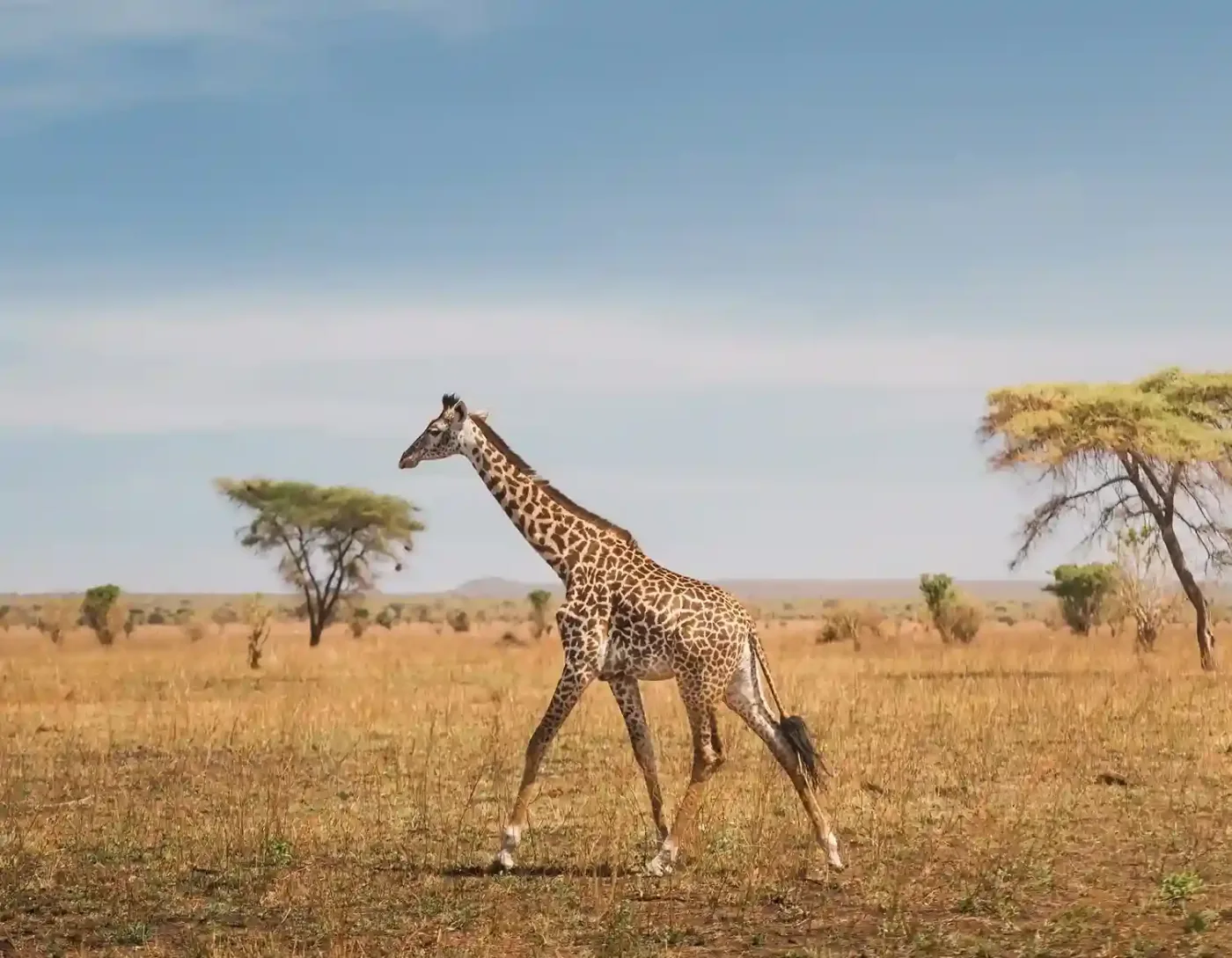
What Makes a Photography Safari Different?
Carrying a long lens does not automatically make a normal safari a photography tour. You need clear sight lines, a guide who understands positioning, time to wait and an honest itinerary that does not send you across several parks every day.
This sample keeps two nights near Tarangire followed by three in Serengeti and a final night in the Ngorongoro area. It works especially well for photographers who enjoy wildlife portraits and landscape context, and it can be adapted for birds, families or guests using smaller cameras.
Seven-Day Photography Safari: Practical Setup
| Planning point | What matters |
|---|---|
| Best core subjects | Elephants and baobabs; Serengeti big cats and plains; crater landscapes and mixed wildlife |
| Vehicle | Private 4×4 recommended; agree passenger count, roof opening and window access |
| Time in the field | Early and later drives where park rules, routes and lodge location allow |
| Accommodation | Close enough to wildlife zones to avoid losing best light on long transfers |
| Equipment | Two bodies if available, telephoto and wider lens, batteries, dust protection, beanbag |
| Important limitation | No promised predator action, unrestricted off-road driving or fixed golden-hour sighting |
A Practical Seven-Day Itinerary
This is a planning example, not a promise that every day runs to the same clock. Your lodge locations, park-entry arrangements, weather and the confirmed route determine the final schedule.
Day 1 — Tarangire: elephants and the baobab landscape
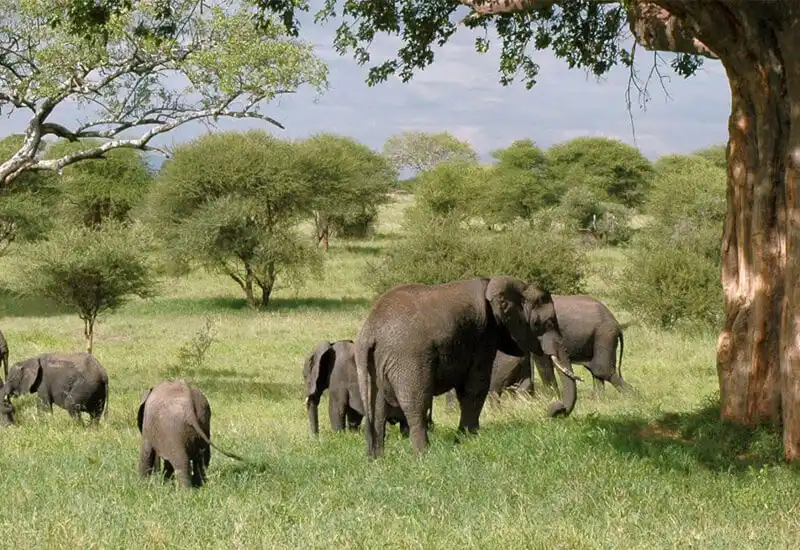
Depart Arusha for Tarangire. The main photographic goal is to get comfortable with the vehicle, light and animal distances. Elephants against baobabs can make strong environmental frames, while woodland birds and larger mammals provide variety. The first day still includes a road transfer, so plan the most ambitious light session according to actual arrival time.
Day 2 — Another Tarangire session: work the light
Return early to a suitable sector of Tarangire rather than packing up for an immediate park change. Photographing the same area under different light can be far more productive than adding another distant destination. Spend time looking for herd interactions, birds in woodland and quiet landscape compositions. Later, continue to a suitable highland overnight if that makes Day 3 easier.
Day 3 — Highlands to Serengeti: transitions and first frames
Travel through the Ngorongoro highlands toward Serengeti. The changing altitude and scenery provide context, but much of this day is a transfer. On entry to Serengeti, concentrate on wildlife near your route and avoid arriving in camp excessively late. Your guide and accommodation location set up the next two full photography days.
Day 4 — Serengeti: dedicate the day to behavior
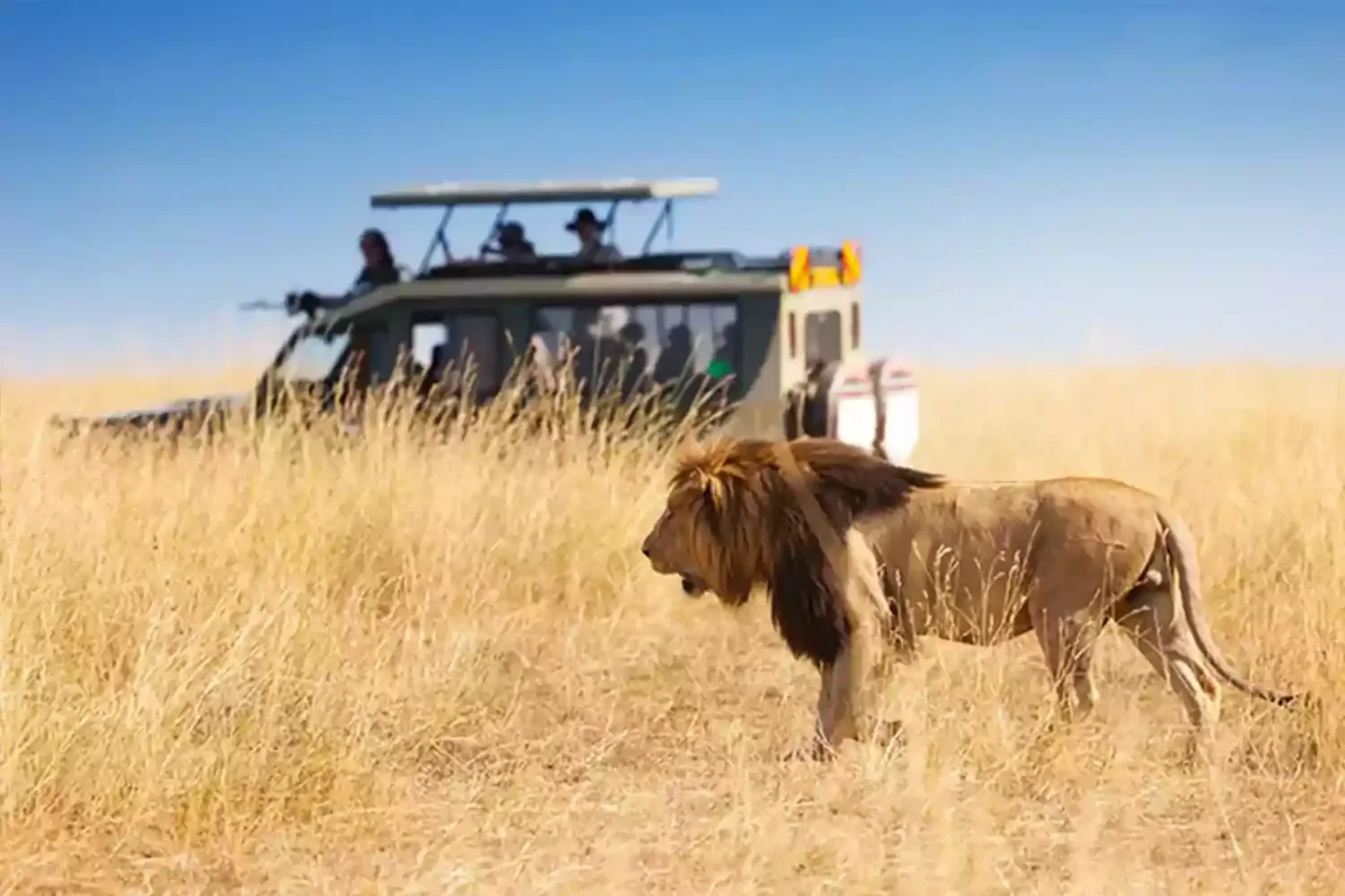
Start early and use the available morning light in a known productive habitat. A lion pride that appears inactive can reveal interactions if you wait, while birds and antelope offer strong subjects in between larger sightings. Your guide should position safely within park rules, never block movement or crowd wildlife for an image.
Day 5 — Serengeti: second full shooting day
A second day creates space to revisit a sighting, explore another habitat or focus on an entirely different theme, such as raptors or the relationship between grazing herds and open plains. You can spend time with a subject rather than attempting to photograph every species. A planned midday rest can help with heat, dust and battery management.
Day 6 — Serengeti to Ngorongoro: landscape and transfer
After a practical morning game drive on the way out, cross toward the Ngorongoro highlands. This is a transit day, not a third full Serengeti shoot. If time and conditions allow, consider permitted viewpoints and landscape frames before reaching your lodge. Protect cameras from dust during the drive.
Day 7 — Ngorongoro Crater: varied wildlife and the return
Enter Ngorongoro Crater early, following the required entry procedures. Crater landscapes can provide wildlife in a broader setting, but animal positions and visitor traffic are unpredictable. Use the time available for a balanced mix of detail and environmental frames, then return toward Arusha. Avoid scheduling an immediate international departure without buffer.
Camera Space and the Right Vehicle
Photographers often need more space per person than ordinary safari travelers. Ask whether the vehicle has a pop-up roof, opening windows and room to keep camera bags protected. A beanbag can be more practical than a tripod in a vehicle. Seat removal, special mounts or unusually low vehicle occupancy should be agreed and priced in advance; they are not automatic inclusions.
For couples sharing a vehicle, discuss where each person will sit during game drives. You should not have to negotiate equipment space after arriving at the park gate.
Why Light and Patience Beat a Checklist
On a hot clear day, the light can become harsh by midday. That does not make the hours worthless, but a long-distance transfer during the morning can cost you a useful shooting window. We choose nights and game-drive areas to keep early access practical. Local park hours and lodge arrangements always apply.
The most memorable photographs sometimes come from familiar scenes—an elephant herd crossing dusty ground, a secretary bird in the grass, or a wide Serengeti sky. A trip built only around predators may miss the broader story.
Packing Cameras for a Dusty Safari
- Pack a lens cloth, dust blower and rain cover; do not rely on cleaning gear being available at camp.
- Carry extra charged batteries and enough memory cards for full days away from sockets.
- Use a lens with reach, but keep a wider lens for landscapes and animal-in-environment photographs.
- Confirm vehicle charging options and camp electricity hours.
- If a domestic flight is included, request its exact luggage weight and dimensions, especially for heavy camera gear.
Which Season Works Best for Wildlife Photos?
| Travel conditions | Photographic opportunity | Practical trade-off |
|---|---|---|
| Dry months | Often clearer visibility, stronger dust atmosphere and wildlife near water | Busier areas and harsh midday brightness |
| Green months | Fresh grass, reflective light, dramatic skies and bird activity | Rain and vegetation can obscure some wildlife |
| Calving period | Southern plains may offer young wildebeest and predator interactions when herds are present | Exact timing shifts with rainfall and migration movement |
Should You Add Lake Manyara?
Lake Manyara can add forest, lake-edge birds and Rift Valley scenery, but including it on a seven-day photography route may mean reducing a second Tarangire light session or a full Serengeti day. For most wildlife photographers, one more productive morning in the same habitat is worth more than an extra park label.
Bird specialists may prefer a different decision. Our seven-day birdwatching option is a better point of comparison if species diversity matters most.
Photography, People and Responsible Guiding
Photograph animals without stressing them. A responsible guide will not crowd lions, drive outside permitted tracks or cut across a crossing route to make a dramatic picture. For portraits of people in villages or at accommodations, ask permission first and be clear about the intended use of images.
Your guide can help with the route and animal behavior, but should not be presented as a specialist photography instructor unless that service has been explicitly booked.
Photography Safari Costs and Final Details
Vehicle occupancy, camera support arrangements, camp location, seasons and domestic flights can substantially change the price. The quote should say whether you have exclusive use of the vehicle, if any equipment support is provided, and which meals and park fees are included.
Ask Capable Africa Tours for an itinerary matched to your equipment and strongest photographic interest. If you prefer a wider Northern Circuit comparison, see our seven-day safari packages and Tanzania photographic safari guide.
What Is Included and What Is Not
The written quotation, not a general website list, is the final reference for your booking. Inclusions may change with accommodation category and private versus joining arrangements.
Included when shown in the offer
- Private 4×4 safari vehicle and fuel for the agreed route when the private option is booked
- Professional Tanzania driver-guide for the safari days
- Accommodation and meal plan stated by name in the confirmed quotation
- Park and conservation entry charges explicitly listed in the quotation
- Game drives and local road transfers included in the final itinerary
- Exclusive vehicle access and agreed camera-space arrangements if private and written in the offer
Usually excluded unless arranged
- International flights and visa fees unless specifically quoted
- Travel insurance, gratuities and personal purchases
- Optional balloon flights, extra activities and premium beverages
- Any domestic flight not explicitly included in the written offer
- Professional camera equipment rental, dedicated photographic tuition and special vehicle modifications unless quoted
Questions Travelers Ask Before Booking
Do I need professional camera equipment?
No. Travelers using a smartphone, compact camera or basic DSLR can enjoy this itinerary. What matters is having enough time and reasonable expectations for each subject.
Is the vehicle private?
A private 4×4 is recommended for photography, but the exact vehicle and passenger count must be written into your quotation.
Can we stay with one lion pride for a long time?
Often you can spend longer at a sighting when it is safe and permitted, but park rules, other vehicles and animal welfare always take priority.
Are camera charging points available?
Availability depends on the vehicle and named accommodations. We confirm what is provided rather than assuming every camp has 24-hour power.
Can we carry drones into national parks?
Do not assume recreational drone use is permitted. Aviation and protected-area permissions can apply; confirm the rules before travel.
Will we photograph the migration?
That depends on season and the herds’ location. We can choose a seasonal Serengeti region, but crossings and behavior cannot be scheduled.
Can a non-photographer travel with us?
Yes. We can plan a comfortable pace for mixed-interest couples or friends, provided everyone understands that some sightings may involve longer waits.
Plan This Safari With Capable Africa Tours
Tell us your travel month, pickup location, group size, preferred accommodation level and any fixed flight arrangements. We will prepare a day-by-day quotation that spells out the vehicle basis, actual accommodation options, park fees and what is not included.