
Your First Tanzania Safari in 2026/2027: Parks, Costs, Daily Routine and Mistakes to Avoid
On your first safari in Tanzania, expect early morning game drives to catch animals at their most active, with opportunities to see lions, elephants, giraffes, and other wildlife in their natural habitats. The landscapes vary from open savannahs in Serengeti to lush riverine forests in Tarangire, offering diverse photo opportunities. Be prepared for long drives, changing weather, and early wake-up calls, and bring binoculars, sun protection, and comfortable clothing. Below is a comprehensive guide on what to expect during your first safari in Tanzania, designed to help you plan and enjoy every moment with Capable Africa Tours.
Plan Your Safari Now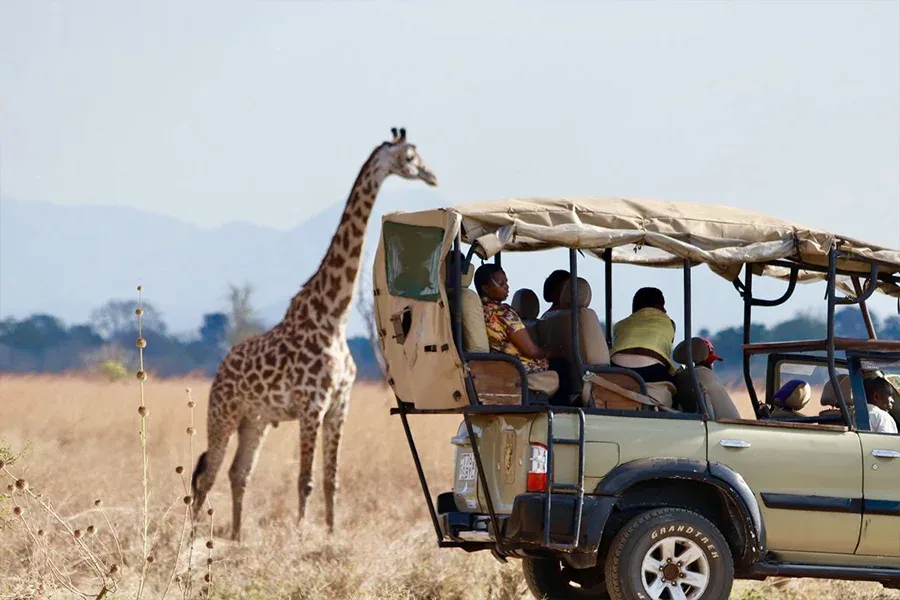
Why Tanzania Works Well for a First Safari
Tanzania is a premier safari destination, home to world-renowned national parks like Serengeti, Ngorongoro Crater, and Tarangire. With Capable Africa Tours, your first safari will immerse you in diverse ecosystems teeming with the Big Five (lion, elephant, buffalo, leopard, rhino) and vibrant cultures like the Maasai. Tanzania’s well-established tourism infrastructure ensures comfort, safety, and expert guidance, making it ideal for first-timers. Here’s why Tanzania stands out and what to expect on your adventure.
Key Highlights of a Tanzania Safari
- Iconic Wildlife: Spot the Big Five, cheetahs, giraffes, zebras, and over 500 bird species.
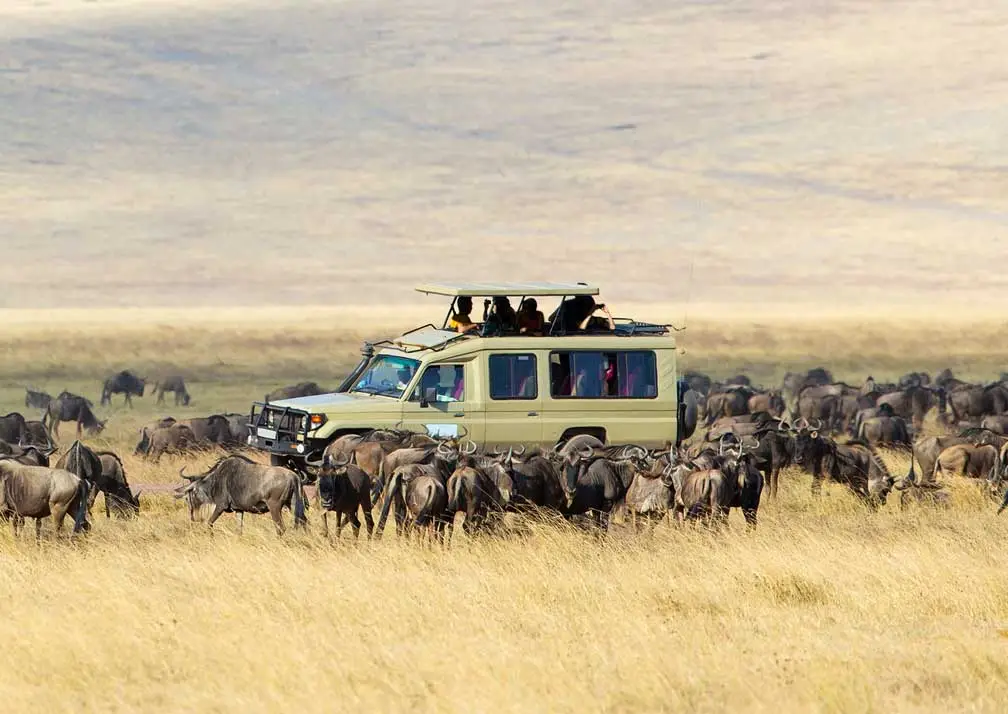
- Great Migration: Witness millions of wildebeests and zebras migrate in Serengeti (June–October).
- Diverse Parks: Explore Serengeti’s plains, Ngorongoro’s crater, Tarangire’s baobabs, and Lake Manyara’s flamingos.
- Luxury Options: Choose from budget camping to luxury lodges with Capable Africa Tours.
- Cultural Encounters: Meet Maasai and Hadzabe communities for authentic cultural experiences.
Tanzania’s Main Safari Parks and What Each Adds
Tanzania is home to some of Africa’s most iconic national parks, each offering unique wildlife experiences. Serengeti National Park is famous for its vast plains and the Great Migration, while Ngorongoro Crater combines striking scenery with high wildlife density. Tarangire and Ruaha are perfect for seeing large herds of elephants and big cats, and Lake Manyara offers tree-climbing lions and rich birdlife. Each park provides a different perspective on Tanzania’s incredible biodiversity. Below is a curated list of top national parks to include on your Tanzania safari with Capable Africa Tours, designed to help you plan an memorable adventure.
Serengeti National Park
Famous for the Great Migration, Serengeti spans 14,750 km² and hosts lions, cheetahs, elephants, and more. Expect thrilling game drives and vast savanna views.
Ngorongoro Crater
A UNESCO World Heritage Site, this 260 km² caldera is a wildlife haven with dense populations of rhinos, lions, and hyenas. Its compact size ensures frequent sightings.
Tarangire National Park
Known for elephant herds and ancient baobab trees, Tarangire’s 2,850 km² offers quieter game drives with zebras, giraffes, and over 550 bird species.
Lake Manyara National Park
This 325 km² park features flamingos, tree-climbing lions, and lush forests. It’s perfect for a compact, diverse safari experience.
A Tanzania Game Drive in Practice
Watch this video to see the magic of a Tanzania safari with Capable Africa Tours, featuring thrilling game drives, stunning landscapes, and close-up wildlife encounters.
Preparing for Your First Tanzania Safari
To prepare for your first Tanzania safari, start by researching the parks and wildlife you want to see, and choose accommodations and tours that fit your interests and schedule. Pack lightweight, neutral-colored clothing to stay comfortable and blend into the environment, along with sturdy walking shoes, sun protection, and insect repellent. Make sure your vaccinations and travel documents are up to date, and consider travel insurance for peace of mind. Learn a few local customs and phrases to enrich your experience and show respect for local communities. Below is a comprehensive guide to help you get ready for your Tanzania safari adventure with Capable Africa Tours, covering all the essentials for a smooth and memorable trip.
Packing Essentials
- Clothing: Lightweight, neutral-colored layers (khaki, beige) for 50–85°F weather. Include a fleece for cooler evenings.
- Footwear: Comfortable, closed-toe shoes or hiking boots for game drives and walking safaris.
- Accessories: Binoculars (8x42 recommended), camera with zoom lens, wide-brimmed hat, SPF 50+ sunscreen, insect repellent.
- Health Items: Malaria prophylaxis, basic first aid kit, hand sanitizer, and prescription medications.
- Documents: Passport, visa, travel insurance, and vaccination records (yellow fever if required).
Health and Safety Tips
- Consult your doctor for vaccinations (yellow fever, hepatitis A, typhoid) and malaria prophylaxis.
- Stay hydrated with bottled water provided by Capable Africa Tours.
- Follow your guide’s instructions during game drives for safety.
- Use insect repellent and wear long sleeves to avoid mosquito bites.
Best Time for a Tanzania Safari
The best time for a Tanzania safari is during the dry seasons: June–October and January–March. These months offer clear skies, less vegetation for better wildlife spotting, and the Great Migration in Serengeti (June–October). Wet seasons (April–May, November) bring lush landscapes but muddy roads and fewer sightings.
Seasonal Breakdown
| Season | Months | Weather | Pros | Cons |
|---|---|---|---|---|
| Dry (Peak) | June–October | Clear, 50–85°F | Great Migration, easy sightings | Higher crowds, cost |
| Dry (Secondary) | January–March | Clear, 60–90°F | Fewer crowds, calving season | Hotter days |
| Wet | April–May, November | Rainy, muddy | Lush scenery, lower costs | Poor visibility, road issues |
Types of Tanzania Safaris with Capable Africa Tours
Capable Africa Tours offers a range of safari experiences tailored to your preferences, from budget-friendly to luxury. Here’s what you can choose from.
Safari Types
- Private Safaris: Exclusive 4x4 game drives for families or groups, offering flexibility and privacy.
- Group Safaris: Join other travelers for a cost-effective, social experience (6–8 people per vehicle).
- Luxury Safaris: Stay in high-end lodges or tented camps with gourmet dining and premium amenities.
- Camping Safaris: Budget-friendly option with comfortable tents and campfire evenings under the stars.
- Walking Safaris: Guided walks in select parks for an immersive, up-close experience (e.g., Tarangire).
Costs and Inclusions for Your Tanzania Safari
When planning your Tanzania safari, consider the overall costs, including park fees, accommodations, transportation, meals, and optional activities or excursions. Budget for tips, travel insurance, and personal expenses to avoid surprises. Compare different packages to see which inclusions best match your interests, such as guided game drives, cultural experiences, and luxury or budget lodging. A Tanzania safari with Capable Africa Tours typically costs $3,000–$7,000 per person for a 5–7 day trip, depending on the season, accommodation, and group size. Our all-inclusive packages cover everything you need for a hassle-free adventure.
What’s Included
- National park fees ($50–$100 per person per day)
- Expert guides and drivers (1 guide per vehicle)
- Accommodation (lodges, camps, or hotels)
- All meals (breakfast, lunch, dinner) and bottled water
- 4x4 Land Cruiser with pop-up roof for game drives
- Airport transfers from Kilimanjaro International Airport
Additional Costs to Consider
- International flights ($800–$1,500)
- Travel insurance (covering medical evacuation)
- Tips for guides and drivers ($10–$20 per day per person)
- Optional activities (hot air balloon rides: $500–$600)
- Personal expenses (souvenirs, drinks)
Plan Your First Tanzania Safari With Clear Next Steps
Join Capable Africa Tours for an memorable safari adventure. Our expert guides, comfortable vehicles, and tailored itineraries ensure you experience Tanzania’s wildlife and landscapes at their best. Book now to secure your spot!
- Expert guides with 10+ years of experience
- Customizable itineraries for all budgets
- Family-friendly and luxury options available
- Safe, comfortable 4x4 Land Cruisers
- Eco-conscious tours supporting local communities
Limited spots available for peak season safaris—book now to explore Tanzania’s wildlife!
Plan Your Safari NowRelated Tanzania Safari Adventures Planning Guides
Great Migration Safaris
Experience one of nature’s greatest spectacles with our Great Migration safari packages, timed for river crossings or calving.
View Package →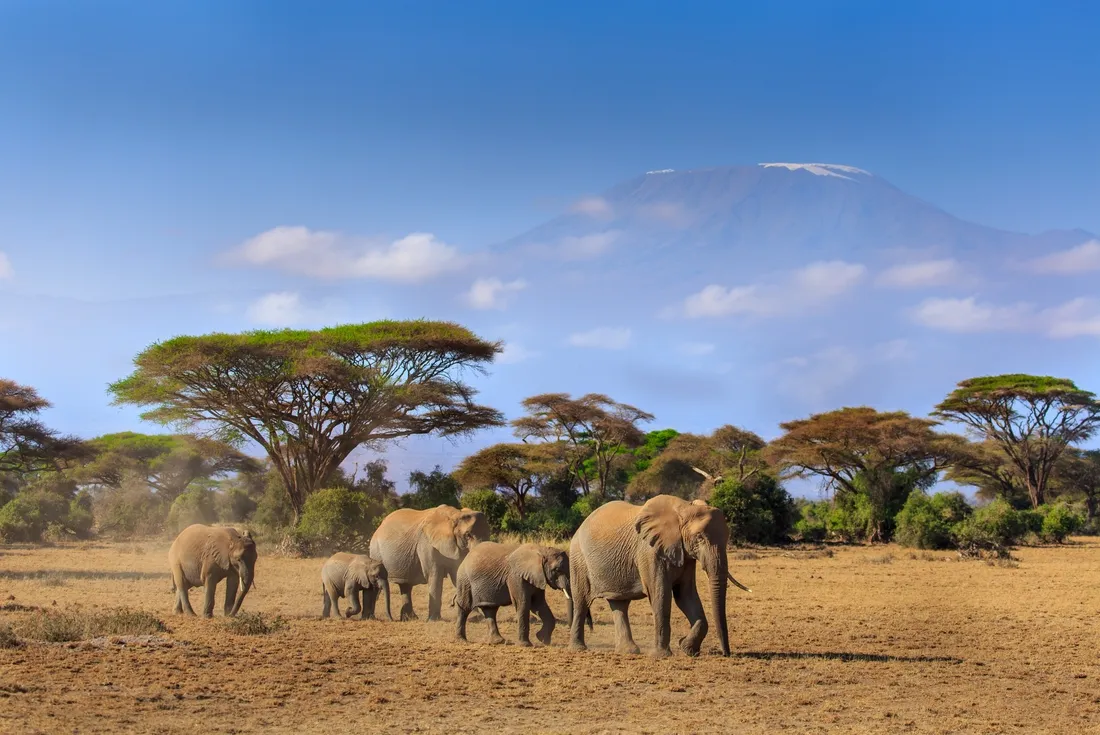
Serengeti & Kilimanjaro Trek
Combined safari and trekking tours offer wildlife adventures and Kilimanjaro climbs.
View Package →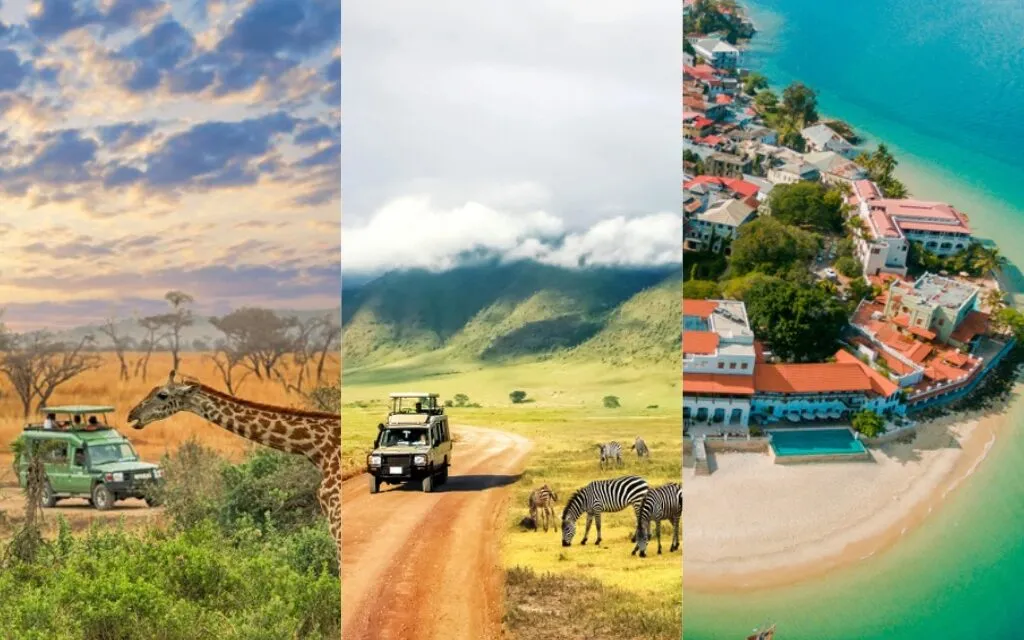
Serengeti & Zanzibar Tours
Luxury Tanzania safari & beach packages with the Great Migration and pristine beaches.
View Package →