Great Migration Safari in Tanzania 2026/2027: Where the Herds May Be and How to Plan
Witnessing the Great Migration is all about timing and location, the movement of millions of wildebeest, zebras, and gazelles follows the seasonal rains and fresh grazing. From December to March, the herds gather in the Southern Serengeti for calving season, while May to July marks the dramatic river crossings in the Western Corridor. Between July and October, the Mara River crossings in Northern Serengeti offer the most thrilling encounters, and by November the herds begin moving back south. Below is a detailed guide to the best months and locations for experiencing the Great Migration on an memorable safari with Capable Africa Tours.
Start Planning Your Safari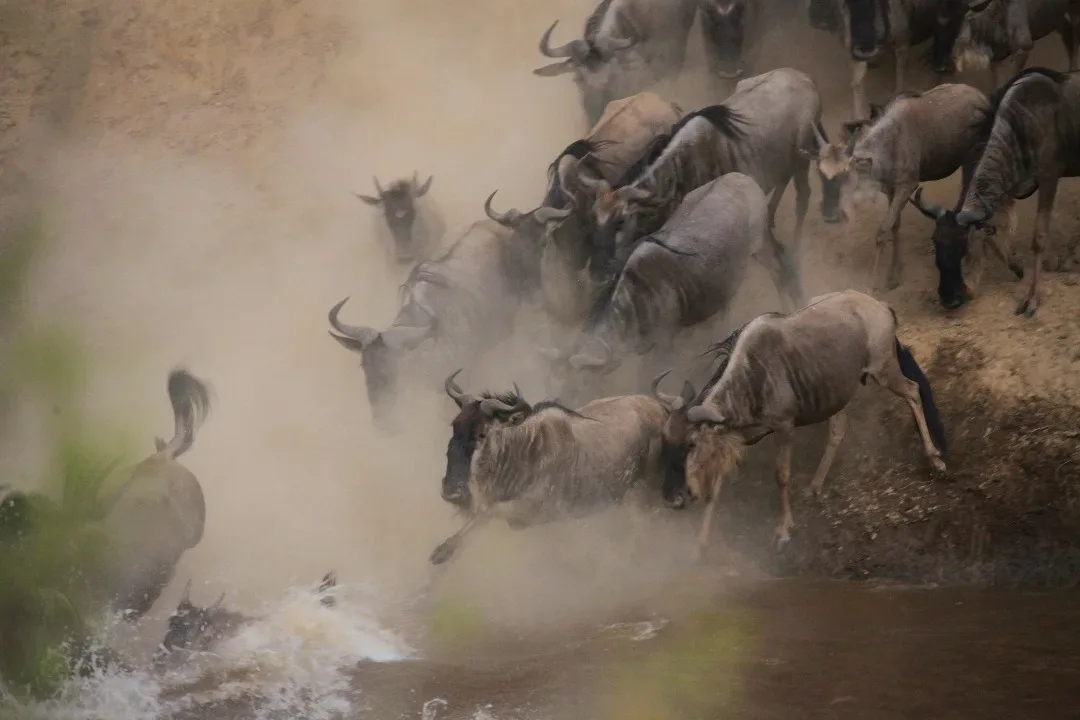
Your Guide to the Great Migration Safari in Tanzania
The Great Migration is one of nature’s most spectacular events, where over 1.5 million wildebeest, 200,000 zebras, and thousands of gazelles move across Tanzania’s Serengeti in search of water and grazing lands. This cyclical journey, driven by instinct, spans roughly 1,800 miles annually and is a bucket-list experience for safari enthusiasts. With Capable Africa Tours, you can plan a safari to witness this phenomenon at its peak, tailored to your preferences and budget. This guide covers the best months, top locations, costs, and practical tips to ensure your Great Migration safari is memorable.
Why Choose a Great Migration Safari?
The Great Migration offers unparalleled wildlife drama—think thundering herds, predator-prey chases, and striking river crossings. It’s a chance to see the Big Five (lion, leopard, elephant, buffalo, rhino) and other species in their natural habitat. Tanzania’s vast landscapes, paired with Capable Africa Tours’ expert guides, make this a once-in-a-lifetime adventure that combines raw nature with cultural immersion.
Best Months for the Great Migration
The Great Migration follows a predictable cycle, but timing varies by event. Here’s a month-by-month breakdown to help you choose the best time for your safari with Capable Africa Tours:
- January–March (Calving Season): Southern Serengeti and Ndutu in the Ngorongoro Conservation Area. Over 500,000 wildebeest calves are born, attracting predators like lions and hyenas. Expect lush landscapes and fewer crowds.
- April–May (Transition Period): Herds move north through central Serengeti. Heavy rains make this a quieter time, ideal for budget travelers seeking lush scenery.
- June–July (Grumeti River Crossings): Western Serengeti. Herds face crocodile-filled Grumeti River crossings, a dramatic spectacle. Dry season begins, improving visibility.
- August–October (Mara River Crossings): Northern Serengeti. The most iconic phase, with massive herds crossing the Mara River, pursued by predators. Peak season for crowds and costs.
- November–December (Return South): Herds loop back to southern Serengeti. Short rains bring green landscapes and excellent birdwatching.
Pro Tip: June to October is the most popular time due to dry conditions and river crossings, but January to March offers a unique calving experience with fewer tourists. Capable Africa Tours can customize your itinerary to match these events.
Recommended Locations for the Great Migration and How to Compare Them
To experience the Great Migration at its peak, focus on locations where the wildebeest and zebras are most concentrated throughout the year. The Serengeti National Park in Tanzania offers iconic crossings and endless plains filled with wildlife, while the Maasai Mara in Kenya is famous for dramatic river crossings and predator sightings. Plan your visit according to the seasonal migration patterns to maximize sightings, and consider guided tours for safe and insightful experiences. Below is a comprehensive list of the top locations to witness the Great Migration with Capable Africa Tours, highlighting the best spots and times for an memorable safari adventure.
- Serengeti National Park: The heart of the Migration, spanning 14,750 km². Northern Serengeti (Mara River) is best for August–October crossings, while western Serengeti (Grumeti River) shines in June–July. Central Serengeti is ideal for April–May transitions.
- Ndutu (Ngorongoro Conservation Area): Perfect for January–March calving season. Flat plains make spotting newborns and predators easy. Also offers cultural visits to Maasai communities.
- Grumeti Game Reserve: Adjacent to western Serengeti, known for June–July river crossings and luxury lodges like Singita Grumeti.
- Lobo Area (Northern Serengeti): Prime for August–October Mara River crossings, with fewer crowds than central viewing points.
Wildlife is free-ranging, and sightings vary with season, habitat, weather and animal movement. Guides improve the opportunity, but no species or event is guaranteed.
Great Migration Safari Costs
A Great Migration safari varies in cost depending on accommodation, duration, and travel style. Capable Africa Tours offers options for every budget:
- Budget Safari: $250–$400 per person per day. Includes camping, shared game drives, and basic meals. Ideal for backpackers.
- Mid-Range Safari: $400–$700 per person per day. Features comfortable lodges, private vehicles, and full-board meals.
- Luxury Safari: $700–$1,500+ per person per day. Offers upscale lodges, private guides, and extras like hot-air balloon rides ($500–$600 per person).
Additional Costs:
- Park Fees: $60–$100 per person per day (Serengeti/Ngorongoro).
- Visa: $50–$100, depending on nationality.
- Tips: $10–$30 per group per day for guides and staff.
- Flights: International ($800–$2,000), domestic ($100–$300).
A 7-day mid-range safari for two costs approximately $2,600–$5,800, including park fees and transfers.
Essential Tips for Your Great Migration Safari
To make the most of your Great Migration safari, plan your trip during peak migration months and book accommodations in advance. Pack lightweight, breathable clothing in neutral colors, a wide-brimmed hat, sturdy walking shoes, and plenty of sunscreen. Bring binoculars and a camera to capture wildlife moments, and stay flexible with your schedule to follow the herds. Respect park rules, maintain a safe distance from animals, and stay hydrated throughout long game drives. Below is a comprehensive list of essential tips to ensure a safe, comfortable, and memorable Great Migration safari with Capable Africa Tours.
- Book Early: Popular months (June–October) fill up fast. Reserve 6–12 months in advance for prime lodges and camps.
- Pack Smart: Bring neutral-colored clothing (avoid blue/black for tsetse flies), binoculars, a high-quality camera, sunscreen, and sturdy shoes.
- Health Precautions: Get yellow fever vaccination and malaria prophylaxis. Use insect repellent and drink bottled water.
- Choose the Right Guide: Capable Africa Tours’ local guides, born in Tanzania, offer deep knowledge of Migration patterns and wildlife behavior.
- Stay Flexible: Migration patterns depend on rainfall, so be open to itinerary adjustments for optimal viewing.
- Connectivity: Purchase a local SIM or eSIM (e.g., Airalo) for data in remote areas.
What Animals Will You See?
During the Serengeti Migration, you’ll witness one of nature’s greatest spectacles, where over 1.5 million wildebeest, accompanied by zebras and gazelles, move in search of fresh grazing. This epic journey also attracts predators such as lions, cheetahs, leopards, hyenas, and crocodiles, making it a dramatic showcase of survival. Birdlife flourishes too, with eagles, vultures, and storks soaring above the plains. Below is a list of key animals you can expect to encounter during the Great Migration with Capable Africa Tours.
- Wildebeest: Over 1.5 million form the Migration’s core, moving in vast herds.
- Zebras: ~200,000 accompany wildebeest, often leading the way.
- Gazelles: Thousands of Thomson’s and Grant’s gazelles join the journey.
- Predators: Lions, cheetahs, leopards, hyenas, and crocodiles (especially during river crossings).
- Other Wildlife: Elephants, giraffes, and buffalo are common in Serengeti and Ndutu.
River crossings are heart-pounding, with crocodiles and lions waiting for stragglers, creating moments of raw nature you’ll never forget.
Combining Your Safari with Other Experiences
Enhance your Great Migration safari with these add-ons from Capable Africa Tours:
- Ngorongoro Crater: See the Big Five in a single day in this stunning caldera, just 3 hours from Serengeti.
- Zanzibar Beach Holiday: Relax on pristine beaches after your safari, with flights from Serengeti (~$200).
- Kilimanjaro Climb: Combine wildlife with a trek up Africa’s highest peak for an epic adventure.
- Maasai Cultural Visits: Learn about local traditions in Ndutu or near Serengeti.
Explore our Popular Serengeti Migration Packages
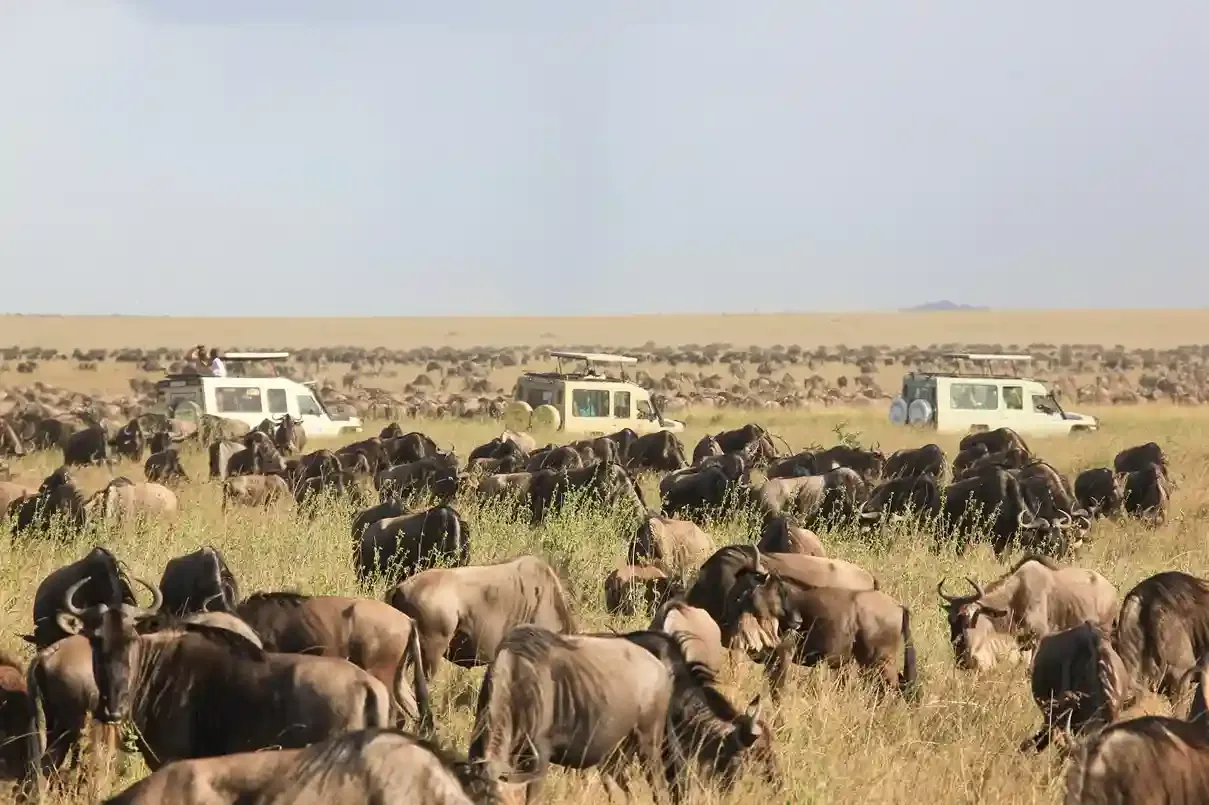
5-Day Serengeti Migration Safari
Explore Central Serengeti and either Ndutu or Kogatende (based on season) with expert guides and intimate safari camps positioned near migration hotspots.
View Package →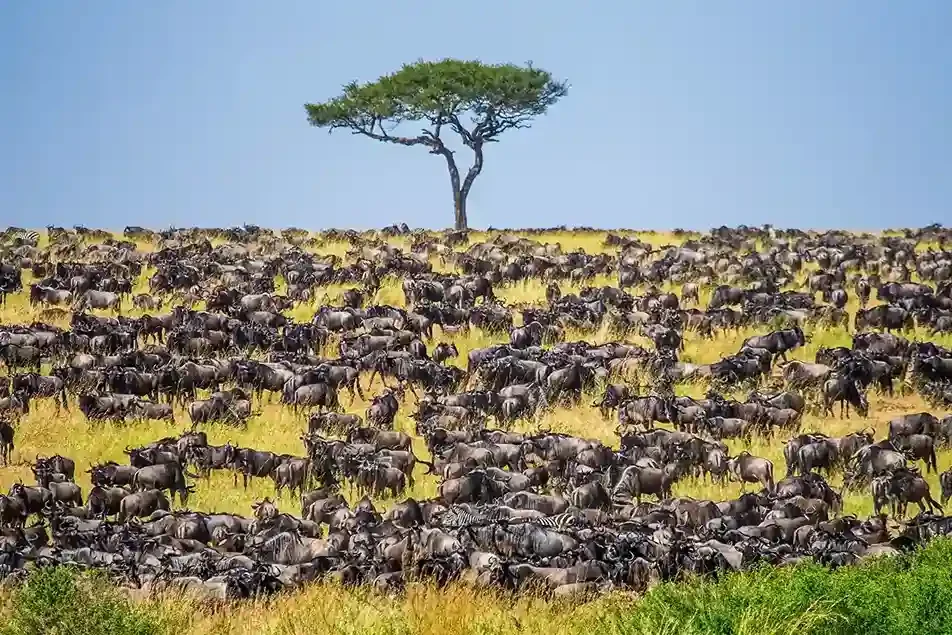
7-Day Great Migration & Crater Safari
Track the Great Migration in Northern Serengeti and enjoy a game drive inside Ngorongoro Crater—perfect balance of wildlife, landscapes, and culture.
View Package →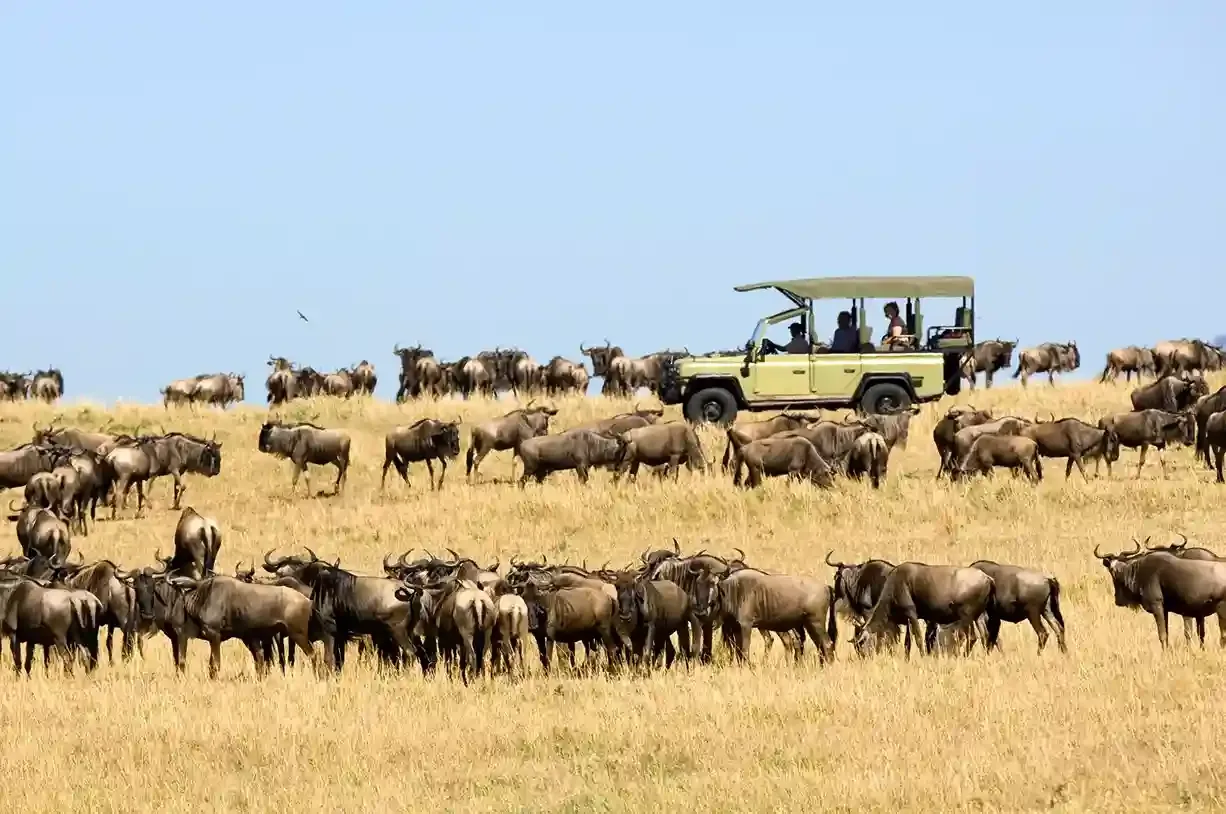
5-Day Serengeti Migration & Ngorongoro Safari
Explore Ngorongoro Crater and key migration zones in Serengeti. Great for travelers who want variety and comfort with prime game-viewing.
View Package →Plan Your Great Migration Safari with Capable Africa Tours
Ready to witness the Great Migration? Capable Africa Tours crafts personalized safaris with expert guides, sustainable practices, and itineraries tailored to your budget. From river crossings to calving season, we’ll ensure your Tanzania adventure is memorable.
- Wildlife is free-ranging, and sightings vary with season, habitat, weather and animal movement. Guides improve the opportunity, but no species or event is guaranteed.
- Customizable Itineraries for All Budgets
- Expert Local Guides Born in Tanzania
- Eco-Friendly and Community-Focused Tours
- Seamless Combinations with Zanzibar or Kilimanjaro