How Many Days Do You Need for a Tanzania Safari in 2026/2027?
The ideal duration for a Tanzania safari depends on the parks you want to visit and the experiences you seek. A 3–4 day safari works well for one or two parks, giving you time to spot the Big Five and enjoy scenic drives. For a more immersive experience, including multiple parks like Serengeti, Ngorongoro Crater, and Tarangire, plan for 6–10 days to fully enjoy game drives, wildlife spotting, and cultural experiences. Below is a comprehensive guide on how many days you need for a Tanzania safari, designed to help you plan the perfect itinerary with Capable Africa Tours.
Plan Your Safari Now
Why Plan a Tanzania Safari with Capable Africa Tours?
Tanzania is a premier safari destination, home to the Serengeti, Ngorongoro Crater, and Tarangire, offering unmatched wildlife and landscapes. The duration of your safari depends on your goals, budget, and desired parks. A well-planned itinerary with Capable Africa Tours ensures you experience Tanzania’s diverse ecosystems, from savannahs to crater highlands, while balancing adventure and relaxation. Below, we explore how many days you need for an memorable safari.
Key Factors Influencing Safari Duration
- Number of Parks: Visiting 2–3 parks (e.g., Serengeti, Ngorongoro) requires 5–7 days; 4–5 parks needs 7–10 days.
- Travel Pace: Short trips (3–4 days) feel rushed; longer trips (7+ days) allow relaxed exploration.
- Special Interests: Photography, birdwatching, or the Great Migration may require extra days.
- Budget: Longer safaris increase costs but offer richer experiences with diverse parks.
- Activities: Add time for extras like hot air balloon rides, cultural tours, or night drives.
Recommended Safari Durations
The ideal number of days for a Tanzania safari depends on your interests and time constraints. Below, we outline options for short, medium, and extended safaris, with insights from Capable Africa Tours’ expert guides.
3–4 Days: Short Safari
Perfect for travelers with limited time, a 3–4 day safari covers 1–2 parks, typically Ngorongoro Crater and Tarangire or Lake Manyara. Expect fast-paced game drives with a focus on the Big Five (lion, leopard, elephant, buffalo, rhino).
- Itinerary Example: Day 1: Tarangire (elephants, baobabs); Day 2–3: Ngorongoro Crater (Big Five, crater views); Day 4: Return.
- Pros: Affordable, covers iconic parks, fits tight schedules.
- Cons: Limited park variety, rushed pace, no Serengeti.
5–7 Days: Classic Safari
A 5–7 day safari is the most popular, offering a balanced experience with 2–3 parks, including Serengeti and Ngorongoro. This duration allows deeper exploration and better wildlife sightings.
- Itinerary Example: Day 1: Lake Manyara (flamingos, tree-climbing lions); Days 2–4: Serengeti (Great Migration, big cats); Days 5–6: Ngorongoro Crater; Day 7: Return.
- Wildlife is free-ranging, and sightings vary with season, habitat, weather and animal movement. Guides improve the opportunity, but no species or event is guaranteed.
- Cons: May miss smaller parks like Tarangire.
8–10 Days: Comprehensive Safari
For an immersive experience, an 8–10 day safari includes 4–5 parks, such as Serengeti, Ngorongoro, Tarangire, Lake Manyara, and Arusha National Park. Ideal for photography or migration-focused trips.
- Itinerary Example: Day 1: Arusha National Park; Days 2–3: Tarangire; Days 4–6: Serengeti; Days 7–8: Ngorongoro; Day 9: Lake Manyara; Day 10: Return.
- Pros: Diverse ecosystems, relaxed pace, cultural add-ons possible.
- Cons: Higher cost, requires more time.
10+ Days: Luxury or Specialized Safari
Extended safaris (10–14 days) combine multiple parks with unique experiences like hot air balloon rides, walking safaris, or Zanzibar beach extensions.
- Itinerary Example: Days 1–2: Tarangire; Days 3–5: Serengeti (migration focus); Days 6–7: Ngorongoro; Day 8: Lake Manyara; Days 9–10: Cultural tours or balloon rides; Days 11–14: Zanzibar.
- Pros: Comprehensive, customizable, includes unique activities.
- Cons: Most expensive, requires significant time commitment.
Tanzania’s Main Safari Parks and What Each Adds
Tanzania’s national parks offer diverse wildlife and landscapes. Here’s a breakdown of the must-visit parks with Capable Africa Tours:
| Park | Key Attractions | Best For | Time Needed |
|---|---|---|---|
| Serengeti National Park | Great Migration, big cats, vast savannahs | Migration viewing, photography | 2–3 days |
| Ngorongoro Crater | Big Five, dense wildlife, crater views | Big Five sightings, short visits | 1–2 days |
| Tarangire National Park | Elephant herds, baobab trees, birdlife | Elephant lovers, birdwatching | 1–2 days |
| Lake Manyara National Park | Flamingos, tree-climbing lions, hippos | Birdwatching, scenic beauty | 1 day |
| Arusha National Park | Giraffes, colobus monkeys, Mount Meru | Day trips, hiking | 1 day |
How a Guided Tanzania Safari Day Is Organised
Watch this video to see the thrill of a Tanzania safari, from Serengeti’s endless plains to Ngorongoro’s wildlife-packed crater, guided by Capable Africa Tours.
Cost and Inclusions for a Tanzania Safari
With Capable Africa Tours, safari costs range from $300–$600 per day, depending on itinerary length, group size, and accommodation (camping, mid-range, or luxury lodges). Our all-inclusive packages cover park fees, expert guides, meals, and transfers.
What’s Included
- National park fees ($50–$100 per day per person)
- Professional safari guides and drivers (1 guide per vehicle)
- All meals (fresh, tailored to dietary needs) and drinking water
- 4x4 safari vehicle with pop-up roof for game viewing
- Accommodation (camping, lodges, or luxury tented camps)
- Round-trip transfers from Kilimanjaro or Arusha
Additional Costs to Consider
- International flights to Tanzania ($800–$1,500)
- Travel insurance (covering safari activities)
- Tips for guides and drivers ($10–$20 per day per person)
- Optional extras (balloon rides: $500–$600; cultural tours: $50–$100)
- Personal items (binoculars, camera gear)
Best Time for a Tanzania Safari
The best time for a Tanzania safari depends on your priorities. The dry season (June–October) offers prime wildlife viewing, while the wet season (March–May) brings lush landscapes and fewer crowds. Capable Africa Tours tailors trips year-round.
Seasonal Breakdown
| Season | Months | Weather | Pros | Cons |
|---|---|---|---|---|
| Dry (Peak) | Jun–Oct | Clear skies, 70–85°F | Best wildlife viewing, easy roads | Higher crowds, costs |
| Wet | Mar–May | Rainy, lush, 65–80°F | Fewer tourists, lower rates | Muddy roads, less visibility |
| Shoulder | Nov–Feb | Mixed, short rains | Moderate crowds, green landscapes | Unpredictable weather |
Packing and Preparation Tips
Preparing for a Tanzania safari requires lightweight, practical gear. Focus on neutral-colored clothing, sun protection, and wildlife-viewing essentials. Capable Africa Tours provides a detailed packing list upon booking.
Packing Checklist
- Clothing: Lightweight long-sleeve shirts, pants, fleece (evenings: 50–65°F), neutral colors (khaki, green).
- Footwear: Comfortable hiking shoes, sandals for camp.
- Accessories: Wide-brimmed hat, sunglasses (UV400), SPF 50+ sunscreen, insect repellent.
- Gear: Binoculars (8x42 recommended), camera with zoom lens (200–400mm), power bank.
- Documents: Passport, yellow fever certificate, travel insurance.
- Health: Malaria prophylaxis, basic first aid kit, personal medications.
Planning the Next Step: Plan Your Tanzania Safari
Embark on an memorable Tanzania safari with Capable Africa Tours. From Serengeti’s Great Migration to Ngorongoro’s Big Five, our expert guides and tailored itineraries ensure a seamless adventure. Book now to secure your spot!
- Customizable 3–14 day itineraries for all budgets
- Expert guides with deep wildlife knowledge
- Eco-friendly safaris supporting local communities
- All-inclusive packages with meals and transfers
- Optional add-ons like balloon rides or Zanzibar extensions
Limited safari spots available — book now for your dream Tanzania adventure!
Plan Your Safari NowRelated Tanzania Safari Adventures Planning Guides
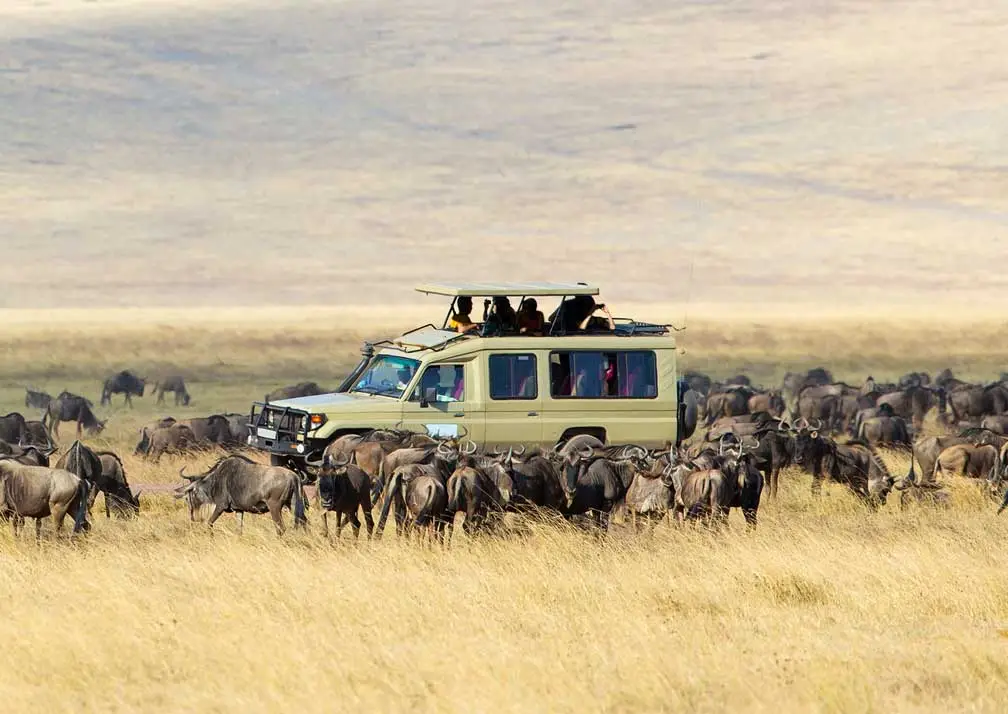
Great Migration Safaris
Experience one of nature’s greatest spectacles with our Great Migration safari packages, timed for river crossings or calving.
View Package →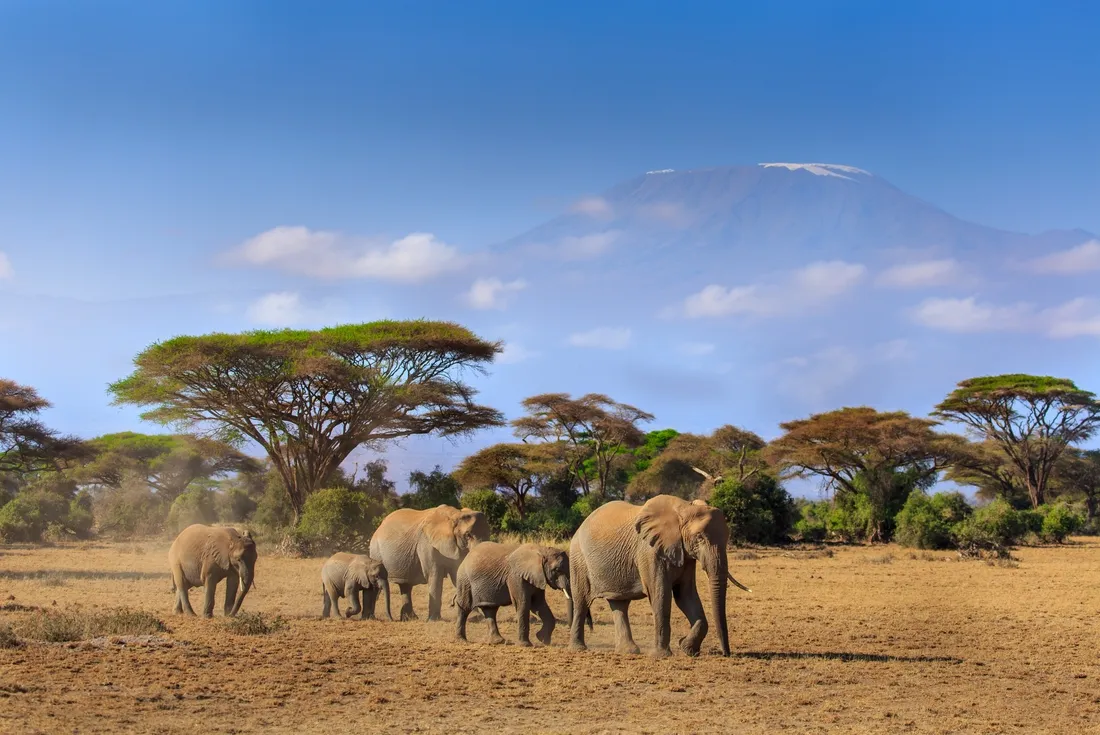
Serengeti & Kilimanjaro Trek
Combined safari and trekking tours offer wildlife adventures and Kilimanjaro climbs.
View Package →
Serengeti & Zanzibar Tours
Luxury Tanzania safari & beach packages with the Great Migration and pristine beaches.
View Package →