
How Safe Is Kilimanjaro in 2026/2027? Altitude Risks, Guide Decisions and Emergency Planning
Climbing Kilimanjaro is considered safe for most trekkers when the climb is well-planned, guided by experienced professionals, and paced properly for acclimatization. The main challenge is altitude, so gradual ascent, adequate hydration, and listening to your body are key to minimizing risks. Reliable operators provide trained guides, medical checks, and evacuation support to ensure your well-being on the mountain. Below is a clear overview of safety considerations to help you understand the risks and precautions for a successful Kilimanjaro climb with Capable Africa Tours.
Plan Your Safe Kilimanjaro Trek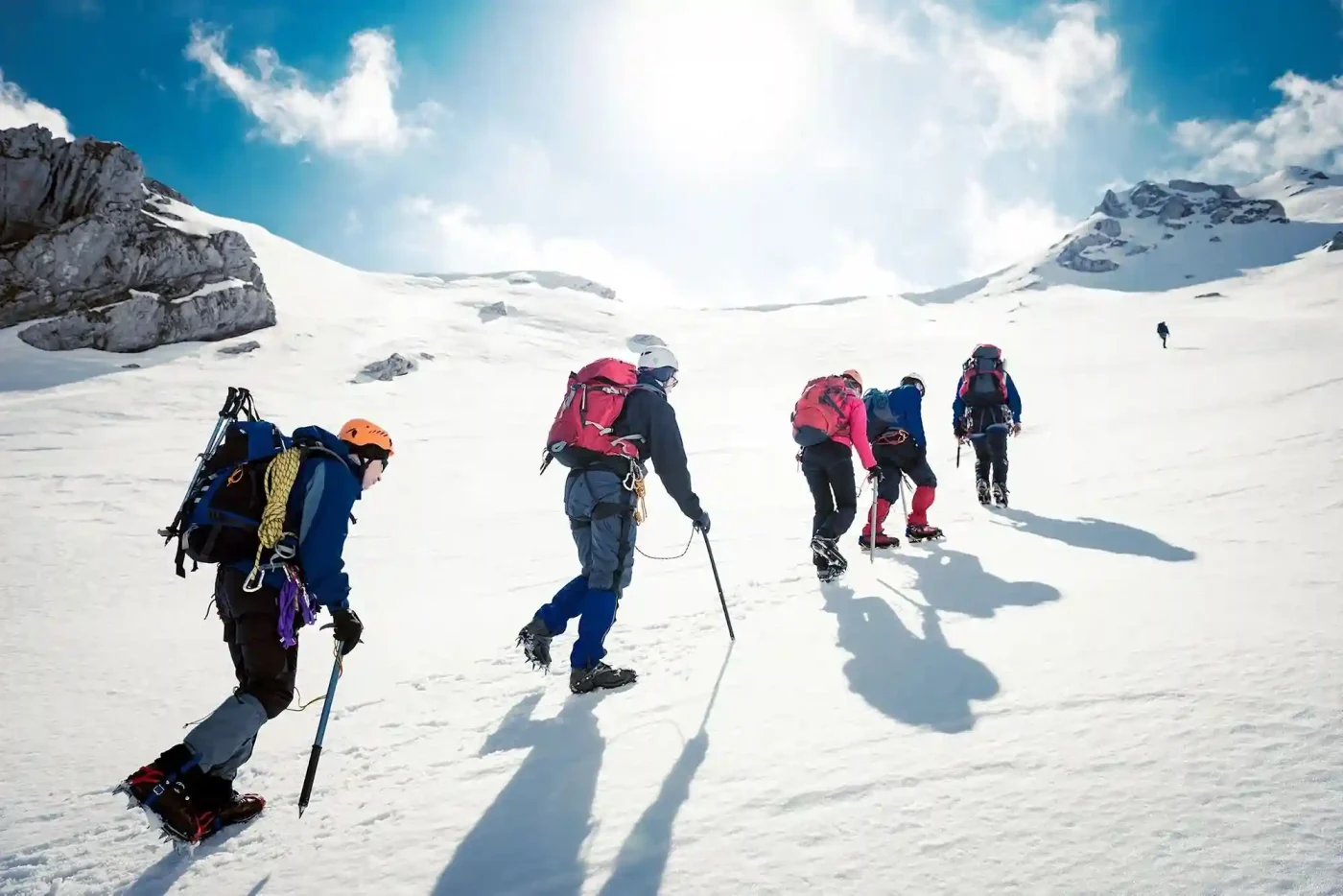
Is Climbing Kilimanjaro Safe?
Kilimanjaro outcomes vary by route, acclimatisation, health, weather and decision-making. We do not publish an unaudited percentage as a safety or summit promise.
Key Safety Highlights
- Experienced Guides: 1 guide per 2 climbers, trained in altitude sickness and emergency response.
- Acclimatization: Longer routes (7–8 days) like Lemosho reduce altitude sickness risk by 30–40%.
- Emergency Equipment: Oxygen tanks, pulse oximeters, and first aid kits on every trek.
- Low Fatality Rate: Only 0.01–0.03% (10–30 deaths per 100,000 climbers), per industry data.
- Daily Health Checks: Monitoring of oxygen levels and symptoms to catch issues early.
Kilimanjaro Risks, Warning Signs and Immediate Responses
Published percentages often use different routes, populations and definitions, so they are a weak basis for choosing an operator. Travelers need to know the warning signs and the response plan instead.
The guide should assess symptoms, stop ascent when necessary and arrange descent or evacuation without allowing summit pressure to delay action.
| Risk | Warning signs or conditions | Appropriate response |
|---|---|---|
| Altitude illness | Worsening headache, vomiting, poor coordination, confusion or breathlessness at rest | Stop ascent, urgent guide assessment and descent when indicated |
| Cold exposure | Uncontrolled shivering, clumsiness, wet clothing or unusual behaviour | Add dry insulation, shelter from wind and assess whether descent is needed |
| Falls and overuse injury | Pain affecting normal walking, instability or inability to continue safely | Reduce load, use assistance and change or end the day’s plan |
| Stomach or respiratory illness | Repeated vomiting, diarrhoea, fever, persistent cough or inability to drink | Medical assessment, hydration support when tolerated and descent if the condition compromises safety |
Safety Measures with Capable Africa Tours
Your safety on Kilimanjaro begins with careful preparation and the right guidance. Always follow your guide’s instructions, pace yourself to prevent altitude sickness, and never push beyond your limits. Use proper gear such as sturdy boots, layered clothing, and reliable headlamps to stay protected in changing mountain conditions. Keep hydrated, eat well, and get enough rest to maintain strength during the climb. Below are the key safety measures we prioritize to ensure a secure and successful Kilimanjaro trek with Capable Africa Tours.
- Expert Guides: Certified guides with wilderness first aid training, 1 per 2 climbers.
- Health Monitoring: Daily checks with pulse oximeters to track oxygen levels and heart rate.
- Emergency Equipment: Oxygen tanks, first aid kits, and satellite phones on every trek.
- Evacuation Plans: Pre-arranged routes and stretcher availability for rapid descent if needed.
- High-Quality Gear: Well-maintained tents, sleeping pads, and rental options for summit-ready equipment.
- Route Selection: Preference for longer routes (e.g., 8-day Lemosho) for better acclimatization.
Kilimanjaro outcomes vary by route, acclimatisation, health, weather and decision-making. We do not publish an unaudited percentage as a safety or summit promise.
See Safety in Action on Kilimanjaro
Watch how Capable Africa Tours ensures a safe Kilimanjaro climb with expert guides, daily health checks, and top-notch equipment in this video.
How to Prepare for a Safe Kilimanjaro Climb
To prepare safely for Kilimanjaro, start with proper physical training that builds endurance, strength, and cardio fitness. Acclimatize gradually by choosing an itinerary with enough days to adjust to altitude, and always listen to your body for warning signs of altitude sickness. Pack essential safety gear such as a first aid kit, headlamp, and reliable trekking poles. Stay hydrated, eat balanced meals, and follow your guide’s instructions closely throughout the climb. Below is a comprehensive set of safety preparation tips to ensure your 6–9 day trek with Capable Africa Tours is both secure and successful.
Physical Preparation
- Cardio Training: Run, cycle, or swim 4–5 times weekly for 45–60 minutes to build endurance.
- Strength Workouts: Focus on squats, lunges, and core exercises for steep terrain.
- Practice Hikes: Train with a 5–7 kg daypack on hilly trails to mimic trek conditions.
- Altitude Prep: If possible, hike above 2,500 m or use altitude simulation gear.
Gear Preparation
- Layering: Merino wool base layers, fleece mid-layers, and Gore-Tex outer layers.
- Footwear: Waterproof, broken-in hiking boots with good ankle support.
- Essentials: Trekking poles, 3L water bladder, headlamp, and a -15°C sleeping bag.
- Rentals: Save luggage space with Capable Africa Tours’ gear rentals (e.g., jackets, sleeping bags).
Mental Preparation
Stay positive, pace yourself, and trust your guides. Capable Africa Tours provides pre-trek briefings to boost confidence and clarify expectations.
What Safety Evidence Can—and Cannot—Show
A summit or safety percentage is meaningful only when the operator explains the route, number of clients, time period, exclusions and independent verification. Without that method, the figure is marketing rather than useful evidence.
Better questions concern guide qualifications, daily monitoring, staffing, communication, oxygen and stretcher procedures, evacuation decisions, incident documentation and whether the company will prioritise descent over the summit.
| Evidence to request | Why it matters |
|---|---|
| Written emergency procedure | Shows who decides, communicates and organises descent or evacuation |
| Guide and assistant-guide staffing plan | Clarifies supervision and support if the group separates |
| Route-specific daily elevations | Allows comparison of ascent profile and acclimatisation time |
| Insurance and evacuation requirements | Reduces confusion when urgent transport or treatment is needed |
Kilimanjaro Route Safety Trade-Offs
No route is automatically safe. Longer schedules generally provide more time to acclimatise, while accommodation style, weather exposure, crowding and the exact daily elevation profile also influence the experience.
| Route | Common duration | Accommodation | Planning trade-off |
|---|---|---|---|
| Lemosho | Seven to eight mountain days | Camping | Longer approach and varied scenery; usually costs more than short routes |
| Machame | Six to seven mountain days | Camping | Popular and scenic; the six-day version is more compressed |
| Marangu | Five to six mountain days | Huts | Hut accommodation; the five-day version provides limited acclimatisation time |
| Rongai | Six to seven mountain days | Camping | Northern approach and generally quieter early stages; descent uses another route |
Plan a Safe Kilimanjaro Adventure With Clear Next Steps
Kilimanjaro outcomes vary by route, acclimatisation, health, weather and decision-making. We do not publish an unaudited percentage as a safety or summit promise.
- Kilimanjaro outcomes vary by route, acclimatisation, health, weather and decision-making. We do not publish an unaudited percentage as a safety or summit promise.
- Longer routes for better acclimatization
- Comprehensive safety equipment included
- Gear rentals for hassle-free preparation
- Customizable treks for all fitness levels
Limited spots for safe Kilimanjaro treks — book now with Capable Africa Tours!
Plan Your Trek NowRelated Kilimanjaro Climbing Adventures Planning Guides
7-Day Machame Route Kilimanjaro Trek | Scenic & Challenging
Climb the popular “Whiskey Route” with Capable Africa Tours for stunning views and a rewarding summit experience.
View Package →
6-Day Marangu Route Kilimanjaro Climb | Hut-Based Trek
Join Capable Africa Tours for a comfortable hut-to-hut climb on the “Coca-Cola” route, ideal for beginners.
View Package →
8-Day Lemosho Route Kilimanjaro Expedition | High Success Route
Our top recommended route stunning, remote, and with optimal acclimatization. Conquer the summit with this 8-day Lemosho climb.
View Package →