
Hiring a Kilimanjaro Guide in 2026/2027: Why an Operator and Trained Crew Matter
Climbing Mount Kilimanjaro is an exciting adventure, but it’s not a trip to make on your own. Hiring a professional guide is not only a park rule; it’s crucial for a safe, successful, and rewarding trek. With Capable Africa Tours, our skilled guides offer navigation, safety knowledge, and cultural insights to help you reach Uhuru Peak with confidence. Learn why having a Kilimanjaro guide is important and how to select the best one for your climb.
Plan Your Kilimanjaro Trek Now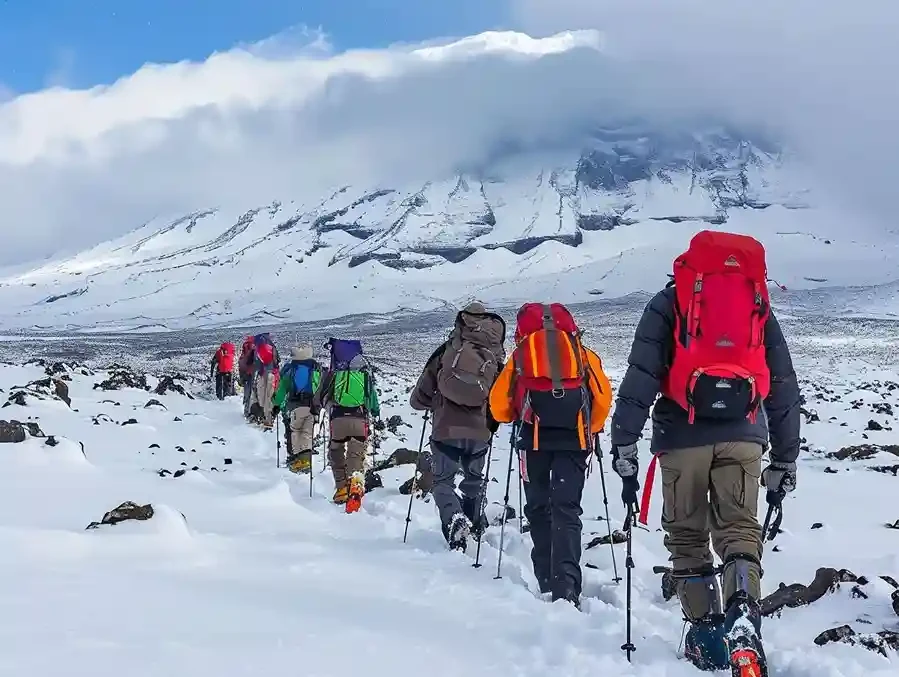
Why Hiring a Kilimanjaro Guide Is Essential
Hiring a professional guide for your Kilimanjaro climb is required by Kilimanjaro National Park rules. It is also vital for safety, navigation, and reaching the summit. Expert guides from Capable Africa Tours have years of experience, local knowledge, and safety training to make your trek both memorable and safe. Below, we look at the key reasons why having a guide is essential for your Kilimanjaro adventure.
Key Benefits of Hiring a Kilimanjaro Guide
- Safety First: Guides are trained in first aid and altitude sickness management, monitoring climbers’ health daily to prevent issues like AMS (Acute Mountain Sickness).
- Expert Navigation: Kilimanjaro’s trails, like Machame or Lemosho, can be complex with variable weather. Guides ensure you stay on the right path, even in low visibility.
- Kilimanjaro outcomes vary by route, acclimatisation, health, weather and decision-making. We do not publish an unaudited percentage as a safety or summit promise.
- Cultural Insights: Local guides share knowledge about Tanzania’s ecosystems, history, and Chagga culture, enriching your experience.
- Logistics Management: Guides coordinate with porters, manage camp setups, and handle permits, letting you focus on the climb.
- Environmental Stewardship: Guides enforce eco-friendly practices, ensuring minimal impact on Kilimanjaro’s delicate ecosystems.
How to Choose the Right Kilimanjaro Guide
Selecting the right guide can make or break your Kilimanjaro experience. Here’s a detailed guide to choosing a qualified, reliable guide for your trek with Capable Africa Tours.
Qualities of a Great Kilimanjaro Guide
- Licensing: Ensure the guide is licensed by Kilimanjaro National Park, a requirement for all legal climbs.
- Experience: Look for guides with 5+ years of Kilimanjaro experience and 50+ successful summits.
- Training: Guides should have certifications in first aid, wilderness medicine, and altitude sickness management.
- Communication: Fluent English and clear communication are essential for international climbers.
- Kilimanjaro outcomes vary by route, acclimatisation, health, weather and decision-making. We do not publish an unaudited percentage as a safety or summit promise.
Why Choose Capable Africa Tours Guides?
At Capable Africa Tours, our guides are handpicked for their expertise and dedication. With an average of 7 years of experience and training in Wilderness First Responder (WFR) protocols, our guides ensure your safety and success. They maintain a 1:2–4 guide-to-climber ratio, providing personalized attention, and are fluent in English and Swahili, offering both practical support and cultural insights.
How a Guided Kilimanjaro Day Works
Join Capable Africa Tours for a guided Kilimanjaro climb that combines safety, expertise, and memorable memories. Watch this video to see our guides in action.
The Role of Guides in Kilimanjaro Success
Guides do more than lead the way—they’re your lifeline on Kilimanjaro. From monitoring your health to motivating you during the summit push, their expertise is critical. Here’s how Capable Africa Tours’ guides ensure your climb is a success.
Key Responsibilities of a Kilimanjaro Guide
- Health Monitoring: Daily pulse oximeter checks to detect early signs of altitude sickness.
- Pacing and Acclimatization: Guides use the “pole pole” (slowly, slowly) approach to improve summit chances by 20–30%.
- Emergency Response: Trained to handle evacuations and coordinate with park rangers in emergencies.
- Motivation: Provide encouragement during tough sections, like the Barranco Wall or summit night.
- Logistics: Manage camp setups, meals, and porter coordination for a seamless trek.
Impact of Tour Guides for Kilimanjaro Climbing
Climbers often describe guides as the heart of the Kilimanjaro experience. Beyond technical skills, they offer emotional support, share stories of local culture, and create a sense of camaraderie. With Capable Africa Tours, our guides are known for their warmth and professionalism, turning your climb into a life-changing adventure.
Planning the Next Step: Climb Kilimanjaro with Expert Guides
Kilimanjaro outcomes vary by route, acclimatisation, health, weather and decision-making. We do not publish an unaudited percentage as a safety or summit promise.
- Kilimanjaro outcomes vary by route, acclimatisation, health, weather and decision-making. We do not publish an unaudited percentage as a safety or summit promise.
- Licensed, WFR-trained guides with 7+ years of experience
- 1:2–4 guide-to-climber ratio for personalized attention
- Eco-friendly treks supporting local communities
- All-inclusive packages with meals, transfers, and gear rentals
Limited spots for guided Kilimanjaro treks—book now to secure your adventure!
Plan Your Trek NowExplore Our Kilimanjaro Climbing Packages
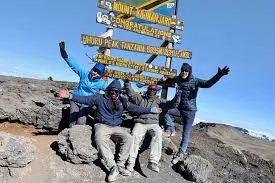
5-Day Marangu Route Kilimanjaro Climb | Hut-Based Trekking
Kilimanjaro outcomes vary by route, acclimatisation, health, weather and decision-making. We do not publish an unaudited percentage as a safety or summit promise.
View Package →
6-Day Machame Route Kilimanjaro Trek | Scenic & Challenging
Tackle the “Whiskey Route” with our experienced guides for a rewarding climb through diverse landscapes and high summit success.
View Package →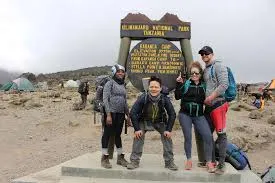
7-Day Lemosho Route Kilimanjaro Trek | Scenic & Gradual
Experience Kilimanjaro’s most scenic route with our expert guides, offering gradual ascents and stunning views for a memorable climb.
View Package →