How Tall Is Mount Kilimanjaro? Height, Cones and Route Facts 2026/2027
Mount Kilimanjaro stands 5,895 meters (19,341 feet) above sea level, making it the tallest mountain in Africa and the highest free-standing peak in the world. Climbers can choose from several routes—like Machame, Marangu, Lemosho, and Rongai—each offering different scenery, difficulty, and duration. If you’re planning a trek, give yourself plenty of days for acclimatization, pack in layers for the changing climate zones, and don’t rush—slow and steady is the best way to reach the summit. With Capable Africa Tours, you can conquer this iconic free-standing mountain through scenic routes like Lemosho or Marangu. This guide covers Kilimanjaro’s height, fascinating facts, climbing routes, preparation tips, and everything you need for a successful trek. Let’s explore the Roof of Africa!
Plan Your Kilimanjaro Adventure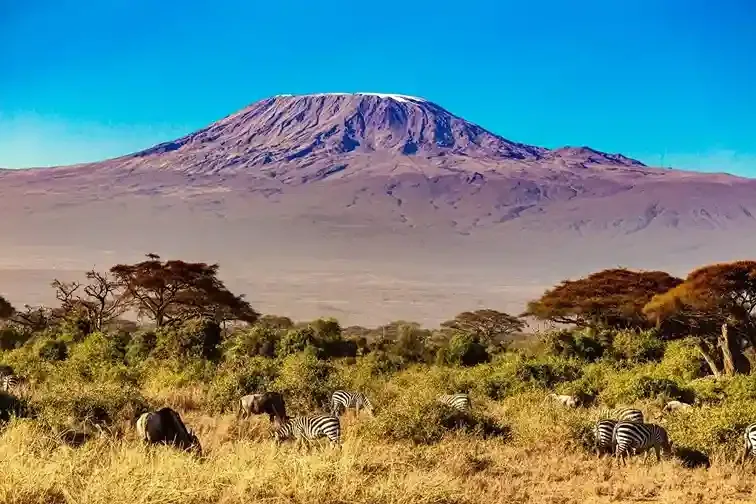
How Tall Is Mount Kilimanjaro?
Mount Kilimanjaro, located in Tanzania, stands at 5,895 meters (19,341 feet), making it the tallest mountain in Africa and the highest free-standing mountain in the world. Its prominent height and unique geological structure—comprising three volcanic cones (Kibo, Mawenzi, and Shira)—make it a global icon for trekkers and adventurers. The summit, Uhuru Peak on Kibo, is the ultimate goal for climbers, offering striking views above the clouds.
Key Facts About Kilimanjaro’s Height
- Elevation: 5,895 m (19,341 ft) at Uhuru Peak, Kibo cone.
- Free-Standing Status: Unlike mountain ranges, Kilimanjaro rises independently from the surrounding plains at 900 m (2,950 ft).
- Vertical Gain: Climbers ascend approximately 4,000–4,900 m (13,123–16,076 ft) depending on the route.
- Global Rank: Fourth among the Seven Summits (highest peaks on each continent).
- Geological Context: A stratovolcano with Kibo as the highest active cone, last erupting 360,000 years ago.
Why Climb Mount Kilimanjaro?
Climbing Kilimanjaro is more than just reaching Africa’s highest peak—it’s a chance to challenge yourself physically, experience striking landscapes, and immerse in the cultural richness of Tanzania. From lush rainforests and alpine deserts to its iconic snowy summit, each day on the mountain offers new scenery and inspiration. Beyond the adventure, standing on Uhuru Peak at 5,895 meters is an achievement that stays with you for life. Below are the key reasons why a Kilimanjaro climb is one of the most rewarding adventures you can take with Capable Africa Tours.
Unique Aspects of Kilimanjaro
- Five Climate Zones: Rainforest, heath, moorland, alpine desert, and Arctic summit.
- Kilimanjaro outcomes vary by route, acclimatisation, health, weather and decision-making. We do not publish an unaudited percentage as a safety or summit promise.
- Wildlife and Flora: Spot colobus monkeys, giant lobelias, and unique birdlife.
- Cultural Connection: Engage with local Chagga communities and expert guides.
- No Technical Skills Needed: A non-technical climb suitable for fit beginners.
Kilimanjaro Route Comparison Without Marketing Percentages
All standard summit routes aim for Uhuru Peak at the same elevation. The useful comparison is the number of mountain days, accommodation type, approach direction and daily ascent profile—not an unsupported success percentage.
| Route | Common duration | Accommodation | Route character |
|---|---|---|---|
| Lemosho | Seven to eight mountain days | Camping | Western approach, varied scenery and a longer acclimatisation profile |
| Machame | Six to seven mountain days | Camping | Popular southern approach with varied terrain |
| Marangu | Five to six mountain days | Huts | Same ascent and descent corridor with hut accommodation |
| Rongai | Six to seven mountain days | Camping | Northern approach with descent through the southeast |
| Northern Circuit | Eight to nine mountain days | Camping | Long route around the northern slopes with more time before summit night |
Kilimanjaro’s Elevation Zones and Landscape
Watch this video to experience the journey to Kilimanjaro’s 5,895-meter summit with Capable Africa Tours, showcasing stunning landscapes and the thrill of the climb.
Preparing to Climb Kilimanjaro’s 5,895 Meters
Reaching Kilimanjaro’s summit requires physical preparation, proper gear, and mental readiness. Capable Africa Tours provides expert guidance to ensure you’re ready for the challenge. Focus on cardiovascular fitness, strength training, and altitude acclimatization to boost your chances of summiting.
Training Tips
- Cardio: Run, cycle, or swim 4–5 times weekly for 45–60 minutes to build endurance.
- Strength: Perform squats, lunges, and core exercises to handle steep ascents.
- Hiking Practice: Train with a 5–7 kg daypack on hilly terrain for 4–6 hours.
- Altitude Training: If possible, hike above 2,500 m or use altitude simulation equipment.
- Mental Prep: Practice patience and pacing to manage long trekking days.
Essential Gear Checklist
- Clothing: Moisture-wicking base layers, fleece mid-layers, Gore-Tex jacket/pants, 800-fill down jacket.
- Footwear: Waterproof mid/high-ankle boots, 3–4 pairs merino wool socks, gaiters.
- Accessories: UV400 sunglasses, SPF 50+ sunscreen, wide-brimmed hat, gloves (inner and waterproof).
- Equipment: 30–40L daypack, 3L water bladder, trekking poles, headlamp, -15°C sleeping bag.
- Rentals: Capable Africa Tours offers gear rentals like sleeping bags and jackets for convenience.
Best Time to Climb Mount Kilimanjaro
The best time to tackle Kilimanjaro’s 5,895-meter height is during the dry seasons: January–March and June–October. These months offer clear skies, stable trails, and optimal summit conditions. Avoid April–May and November due to heavy rains and muddy paths.
Seasonal Overview
| Season | Months | Weather | Pros | Cons |
|---|---|---|---|---|
| Dry (Peak) | Jan–Mar, Jun–Oct | Clear, 0–80°F | Best views, stable trails | Higher crowds |
| Wet | Apr–May, Nov | Heavy rain, muddy | Fewer trekkers | Slippery trails, poor visibility |
| Shoulder | Dec, early Jun | Mixed, light rain | Moderate crowds | Unpredictable weather |
Cost of Climbing Mount Kilimanjaro
Climbing Kilimanjaro with Capable Africa Tours costs $2,000–$4,000, depending on the route and group size. Our all-inclusive packages cover park fees, guides, porters, meals, camping gear, and transfers. Contact us for a personalized quote to plan your 5,895-meter ascent.
Inclusions
- Kilimanjaro National Park fees ($800–$1,000 per person).
- Expert guides (1 per 2 trekkers) and porters (3–4 per trekker).
- Meals (fresh, high-calorie) and purified water.
- Camping gear (tents, sleeping pads).
- Round-trip transfers from Kilimanjaro International Airport.
- Safety equipment (oxygen tanks, first aid kits).
Additional Costs
- Flights to Tanzania ($800–$1,500).
- Travel insurance (high-altitude coverage).
- Personal gear (boots, clothing).
- Tips for guides/porters ($200–$300).
- Pre/post-trek lodging in Moshi/Arusha.
Plan a Kilimanjaro Climb Around Acclimatisation
Kilimanjaro outcomes vary by route, acclimatisation, health, weather and decision-making. We do not publish an unaudited percentage as a safety or summit promise.
- Kilimanjaro outcomes vary by route, acclimatisation, health, weather and decision-making. We do not publish an unaudited percentage as a safety or summit promise.
- Eco-friendly treks supporting local communities.
- Gear rentals for convenience and comfort.
- Customizable itineraries for all fitness levels.
- All-inclusive packages with meals and transfers.
Limited spots for Kilimanjaro treks—book now to climb Africa’s tallest peak!
Plan Your Trek NowRelated Kilimanjaro Climbing Packages Planning Guides
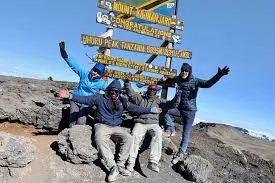
7-Day Machame Route Kilimanjaro Trek | Scenic & Challenging
Climb the “Whiskey Route” with Capable Africa Tours for stunning views and a rewarding summit experience.
View Package →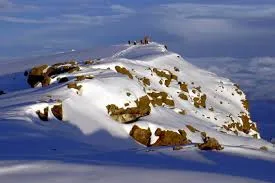
6-Day Marangu Route Kilimanjaro Climb | Hut-Based Trek
Join Capable Africa Tours for a comfortable hut-to-hut climb, ideal for beginners aiming for 5,895 meters.
View Package →
7-Day Rongai Route Kilimanjaro Trek | Remote Northern Path
Explore the quieter Rongai Route with Capable Africa Tours for unique views and excellent acclimatization.
View Package →