
Can you visit Tarangire, Serengeti and Ngorongoro in four days?
Quick answer: Yes, but it is a fast-moving road safari. The practical plan is Day 1 Tarangire, Day 2 drive to Serengeti, Day 3 morning Serengeti game viewing and transfer back toward Karatu, then Day 4 Ngorongoro Crater and Arusha. That means one night in Serengeti and two nights near Karatu or another suitable highland base, not two Serengeti nights followed by an unrealistically crowded final day.
If you want two full days exploring Serengeti, choose five days or more. Four days is best for someone who knows that reaching three parks will involve several hours on the road, and who values a straightforward price over premium lodge facilities. The animals don't work to a schedule; the route should leave time to stop when there is something worth watching.
This itinerary starts and ends in Arusha. Moshi or Kilimanjaro International Airport pickups may be possible, but they add transfer planning and sometimes extra cost. Guests arriving on an afternoon international flight should normally sleep in Arusha first rather than trying to start this circuit immediately.
Your safari at a glance
| Planning detail | What this route offers |
|---|---|
| Duration | 4 days / 3 nights |
| Route | Arusha – Tarangire – Central Serengeti – Karatu/Ngorongoro – Arusha |
| Overnights | Night 1 Karatu or Tarangire access area; Night 2 Serengeti; Night 3 Karatu or Ngorongoro highlands |
| Tour style | Private 4x4 or joining safari, subject to confirmed departure availability |
| Accommodation | Public campsites, simple tented camps or value lodges specified in the quote |
| Best for | Active travellers who want three northern destinations and accept long drives |
| Not ideal for | Very young children, mobility concerns or travellers who want a slow Serengeti photography safari |
Unlike generic short-safari lists, this schedule does not promise a full Serengeti morning, a crater descent and a late-afternoon Arusha return all on Day 4. Those three things do not fit comfortably together with normal road transfers and park procedures.
Detailed 4-day budget Tanzania safari itinerary
Day 1 — Arusha to Tarangire National Park
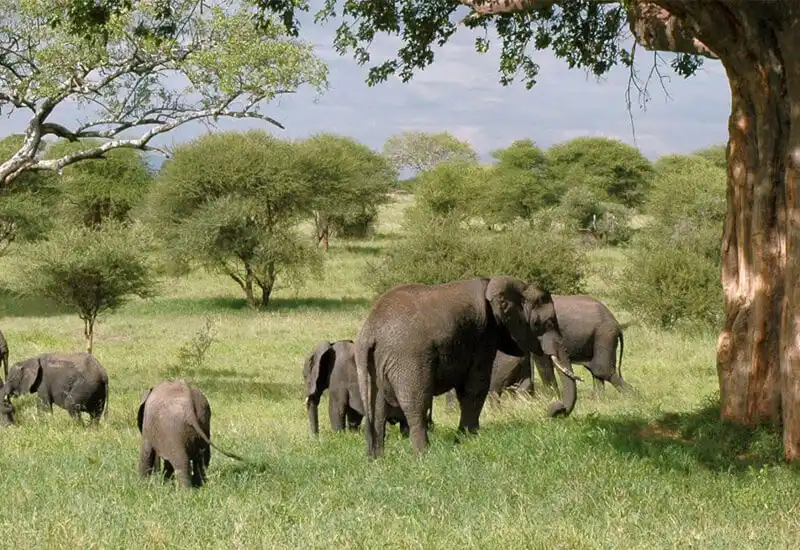
Meet your driver-guide early in Arusha and drive to Tarangire. The road journey depends on your pickup point and traffic, but it is a practical first park from the city. Spend the day in the park exploring the open country, woodland and Tarangire River area. Elephant families are a well-known highlight, while giraffes, zebras and many birds may appear along the route. Your guide will choose a reasonable lunch stop and allow time to reach your camp or value lodge near Karatu or the Tarangire access area before nightfall. Dinner and overnight follow the confirmed accommodation plan.
Day 2 — Karatu area to Central Serengeti
Breakfast and an early departure start a longer driving day through the Ngorongoro highlands toward Serengeti. There are entrance formalities and road sections where speed must be reduced, so do not judge the day from map distance alone. Once you enter Serengeti National Park, game viewing begins as you move toward the Central Serengeti area. You may see plains game, large cats or elephant depending on that day's conditions, but nothing is guaranteed. Your overnight is at the named Serengeti camp or budget lodge, chosen to keep the next morning practical.
Day 3 — Serengeti morning game drive; return toward Karatu
Leave camp early for a concentrated game drive in Central Serengeti. This is your best opportunity to search a familiar area before the long journey back through the park and conservation area. After lunch or at the agreed time, begin the return drive toward Karatu or another base that puts Ngorongoro Crater within reasonable reach the following morning. Treat the latter part of the day as a transfer, not as a second full wildlife day. Dinner and overnight in the highlands.
Day 4 — Ngorongoro Crater game drive and return to Arusha
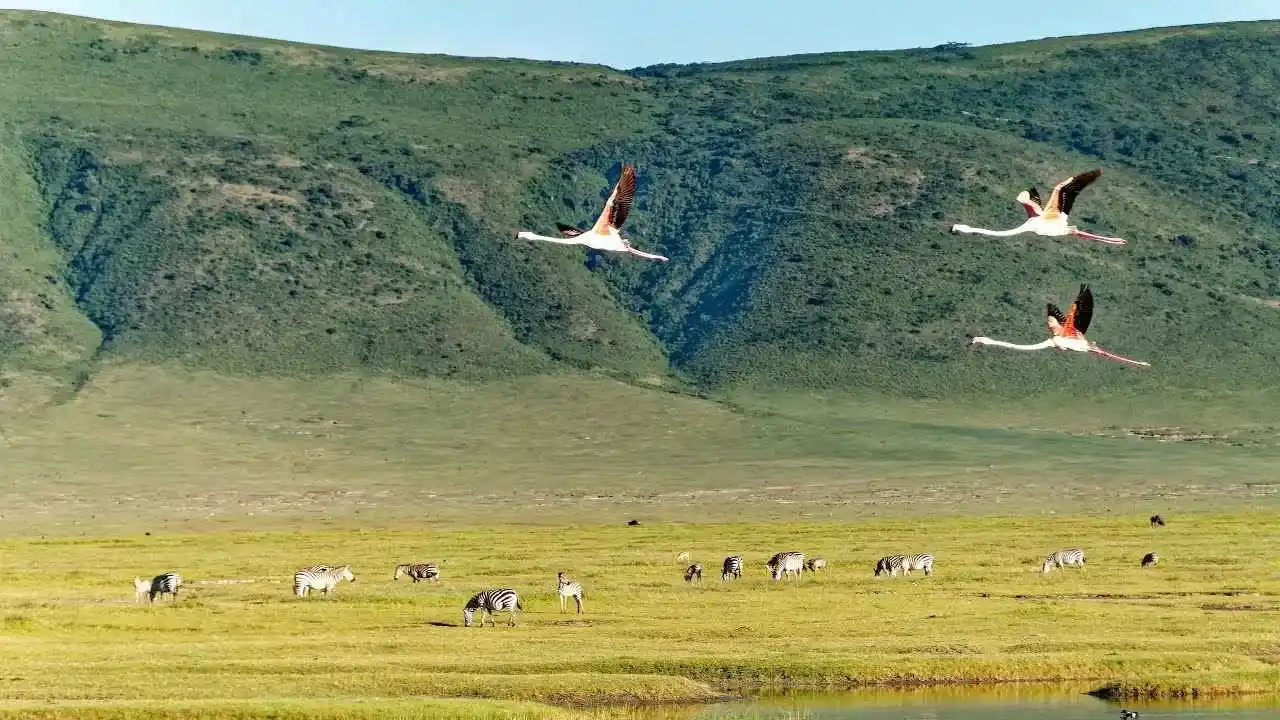
Start early and proceed to the crater access point. Descend with your guide for wildlife viewing on the crater floor according to the day's park rules and permitted crater time. Look for buffaloes, zebra, wildebeest and other resident animals; black rhino sightings are possible but never assured. After the crater visit, return toward Arusha for your agreed drop-off. Do not book a tight international flight on the strength of an estimated return hour, especially if weather or road conditions could delay the transfer.
Accommodation note: Room type and campsite position are important here. A cheaper property that adds an extra hour each morning can consume much of the safari time you were trying to protect. We provide the actual property names and meal basis before you confirm.
Private safari or group joining: which is cheaper?
A joining safari shares the cost of the vehicle and guide among guests who book the same departure. It normally runs on a fixed schedule and may use shared accommodation arrangements. A private safari offers more control: you decide when to stop, whether to take a longer break and how to handle children's needs. For one guest, a private 4x4 can cost considerably more; for a small group travelling together, the difference may narrow.
| Feature | Joining safari | Private safari |
|---|---|---|
| Departure | Only when seats and the group itinerary are confirmed | Usually tailored to your dates and accommodation availability |
| Vehicle | Shared with other booked guests | For your own party |
| Game-drive pace | Agreed with the group | Guide adjusts around your priorities |
| Room or tent | Sharing basis must be confirmed | Rooming arranged to suit your group |
| Price | May reduce per-person operating costs | Depends strongly on number of people sharing the vehicle |
For travellers booking alone, see our group joining safari packages. If you would rather keep the vehicle private, ask for both a camping and value-lodge quote so you can compare the real difference.
Where does the budget saving come from?
The easiest costs to understand are accommodation and vehicle sharing. Public camping is usually simpler than staying in a lodge with en-suite rooms. Group departures share fuel and vehicle costs. But Tanzania's park fees, conservation charges and long-distance road travel are not optional just because the package is labelled “budget”. A low headline price without fees, meals or the crater visit may not be the cheaper holiday once everything is added.
The old version of this page quoted a solo private-safari starting price. That is a very different product from a shared budget tour, so it should not be used as a single price promise for everyone. We recommend a written quote showing the number of paying guests, dates, rooming, exact camping or lodge names, and all the relevant park/conservation charges.
What should be in the package price?
Items to include when confirmed
- Driver-guide, safari 4x4 and fuel
- Four-day road transfers from and back to Arusha
- Three accommodation nights as named
- Meals and drinking water as stated
- Tarangire, Serengeti and Ngorongoro fees listed in the quote
- Ngorongoro Crater descent/vehicle charges where applicable
- Camping equipment and cook where a camping version is booked
Usually separate unless specified
- International flights and visa fees
- Insurance and personal medication
- Tips for driver-guide and crew
- Alcoholic drinks and personal purchases
- Optional balloon flights or cultural visits
- Extra Moshi or airport transfers not listed
- Private-room or solo-traveller supplement
Do not assume every version includes the same number of game drives. The itinerary above makes the long Day 2 and Day 3 transfers clear. If a salesperson promises two full Serengeti days on this exact four-day route, ask where the time comes from.
Wildlife and travel season: keep expectations realistic
Tarangire is especially interesting for elephants and seasonal concentrations around the river, while Central Serengeti is valuable for resident predators and a wide range of plains wildlife. Ngorongoro Crater offers a different enclosed landscape where large herbivores can be seen across the crater floor. This trip covers three habitats, which can be more satisfying than a rushed attempt to drive all the way to the far north of Serengeti.
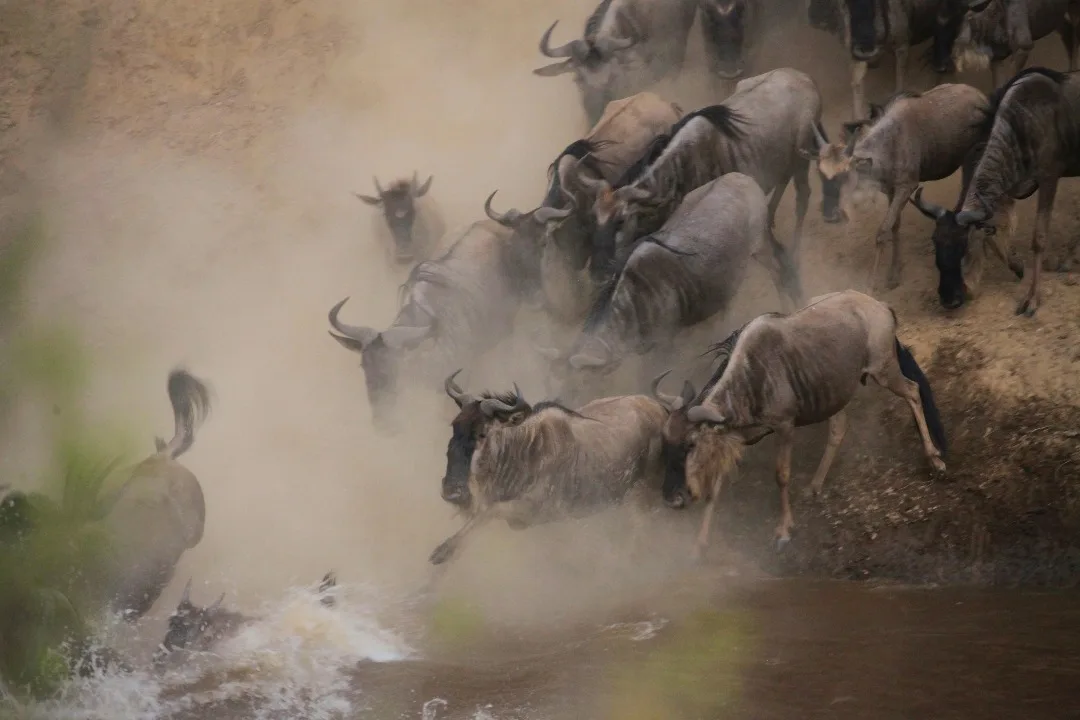
Dry months, broadly June to October, often make road conditions more straightforward. In green months there may be beautiful landscapes, newborn animals in some areas and more mud on certain routes. The Great Migration moves through the ecosystem in response to rain and grazing; it cannot be guaranteed on a four-day itinerary that concentrates on Central Serengeti.
Who should book a longer safari?
Photographers wanting long sessions with a pride, families travelling with young children, or guests who are determined to look for a specific migration event would usually benefit from a slower trip. A five-day budget safari adds useful Serengeti time. Six days or more allow a better balance of driving, rest and wildlife. If your budget is firm, it can be smarter to reduce the number of parks than to remove essential nights and rush the route.
If you have only four days and prefer fewer transfers, a two-park safari based on Tarangire and Ngorongoro or a fly-in Serengeti alternative may suit you better. Capable Africa Tours can compare those options after you share your available dates and starting point.
Frequently asked questions about this four-day safari
Is this a four-day trip with two nights in Serengeti?
Not in this revised three-park road itinerary. It has one Serengeti night and two highland-area nights to keep the crater visit and Arusha return realistic. Two Serengeti nights would require a different route or longer overall trip.
Can I start in Moshi or at Kilimanjaro Airport?
Yes, subject to pickup time and an adjusted transfer plan. A late flight arrival normally means sleeping in town first.
Do we get a private vehicle?
Only when the private option is booked. Group joining departures share a vehicle, and seats must be available for your dates.
Will a camping safari be very uncomfortable?
Public camping is basic, with shared facilities, but it suits many travellers. If private bathrooms are important, request a value-lodge alternative.
Can the Great Migration be guaranteed?
No. Wildlife is wild and the herds move through different Serengeti regions during the year.
When do we get back to Arusha?
Return time depends on the crater visit, road and gate conditions. We give an estimated drop-off time with the final plan and advise against tight same-day flight connections.
Compare before choosing a budget route
For a different balance of time and price, compare the camping safari options with a wider range of Tanzania safaris. If Serengeti is your first priority, see Serengeti tours; if you want extra room in the itinerary, look at the six-day camping trip. Each has different accommodation and transfer commitments.
Plan Your 4-Day Budget Tanzania Safari: Tarangire, Serengeti & Ngorongoro with Capable Africa Tours
Send your dates, number of guests and preferred accommodation level. We will check what is available and return an itinerary with the actual services, inclusions and total price clearly described.