What does a Tanzania camping safari include?
Quick answer: A camping safari is a wildlife tour with nights in designated campsites rather than standard hotel rooms. Your driver-guide takes you between parks, while a cook or camp crew may prepare meals and manage equipment depending on whether you book a private or joining departure. Ask for the exact campsite names, sleeping gear, park fees and meal plan before paying: two trips sold as “camping” may be quite different.
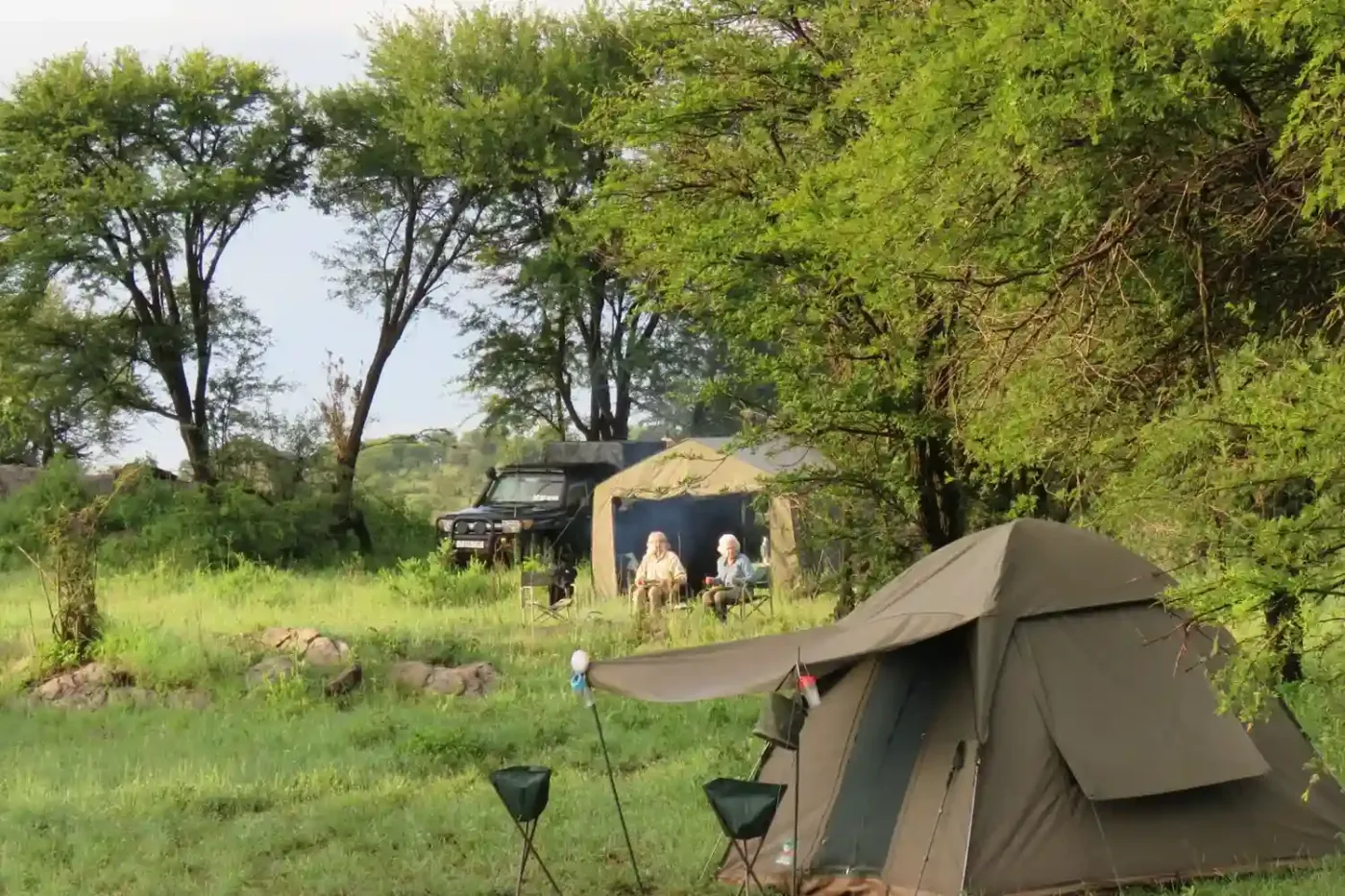
The appeal is straightforward. You finish a day looking for elephants or lions and go back to camp instead of a large hotel. Dinner may be served at a shared table, mornings often start early, and you live with the weather rather than behind thick walls. That suits plenty of travellers, but it is not for everyone. If a private bathroom, electricity throughout the night or air conditioning is essential, consider a lodge or luxury safari instead.
Capable Africa Tours arranges both road-based camping safaris and longer itineraries that combine tents with a lodge night. The final service list is written into your quotation rather than assumed from the word “camping”.
Choose a camping safari by the time you have
| Duration | Good starting route | What to expect |
|---|---|---|
| 3 days | Tarangire and Ngorongoro area | Less driving than a rushed three-day road trip deep into Serengeti; useful if you want a short introduction. |
| 4 days | Tarangire, Central Serengeti, Ngorongoro | Possible with early starts, one Serengeti night and careful transfer planning. A long road schedule. |
| 5–6 days | Tarangire, Serengeti, Ngorongoro; optional Manyara | Enough time for a full Serengeti day and an organized crater visit, without changing camp every morning. |
| 7–10 days | Longer Northern Circuit with extra Serengeti nights | Better for photography, slower travel and a seasonal Ndutu option when appropriate. |
These are sample route patterns, not a claim that every departure follows the same plan. For example, an extra Serengeti night is usually worth more than adding another park just to increase the number of names on the itinerary. See the individual six-day camping itinerary and ten-day camping safari for full day-by-day alternatives.
Public campsites, special campsites and tented lodges
Before choosing a price, ask what kind of accommodation the quote is describing. Tanzania has designated public campsites where guests may share toilet blocks and other facilities. There are also special campsites reserved for particular arrangements, where the operator needs to supply more of the camp setup. A permanent tented lodge is something else again: it may have en-suite bathrooms, beds, staff and a restaurant, and should not be described as basic camping.
| Sleeping arrangement | Typical facilities | Who should choose it? |
|---|---|---|
| Public campsite | Shared bathrooms, designated tent pitches; charging and hot water vary | Travellers comfortable with straightforward facilities and fellow campers |
| Special campsite | Facilities and equipment depend on the camp setup arranged | Private groups seeking a more independent campsite experience |
| Tented lodge or permanent camp | Usually a furnished room-style tent; exact bathroom and meal service varies | Guests who want canvas walls but more comfort than public camping |
Campfire access should never be advertised as automatic. Fire rules and the operator's campsite setup determine what is permitted. The same applies to hot showers, charging sockets and mobile reception. If you are camping on the Ngorongoro highlands, also prepare for cold nights; temperatures there can feel very different from the warmer Tarangire lowlands.
Sample six-day camping route through Northern Tanzania
This example starts and finishes in Arusha. It is structured to give Serengeti a full day rather than spending most of the holiday in transfers. Campsites and overnight areas are confirmed according to availability, park regulations and your chosen price level.
Day 1 — Arusha to Tarangire
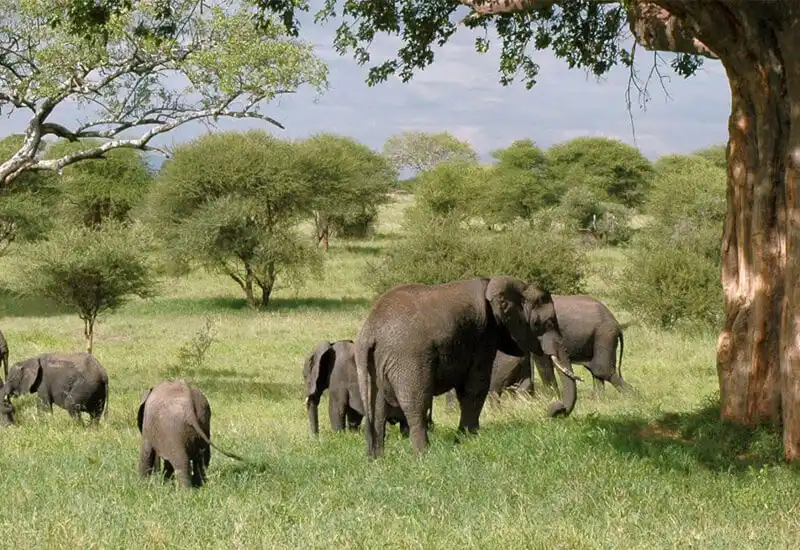
Leave after breakfast with your guide, travel to Tarangire and spend the useful afternoon hours on a game drive. The park is known for elephant herds, baobabs and the river corridor. Reach the camping area before the evening camp routine becomes rushed. Your cook or crew will explain meal timing and where equipment is kept.
Day 2 — Tarangire area to Serengeti
Travel through the highlands toward Serengeti. This is a long transfer with formalities at conservation and park entrances, so expect a mix of driving and game viewing rather than a full uninterrupted safari day. Arrive at the agreed campsite and settle in before dark.
Day 3 — Full day in Central Serengeti
Begin with an early drive when temperatures are cooler and visibility is good. Look for resident game around the plains, kopjes and woodland edges. Lunch can be carried with you or coordinated around camp, depending on the route. The guide will stay in one workable game-viewing area rather than spend hours chasing distant radio reports.
Day 4 — Serengeti to Ngorongoro highlands
Enjoy morning wildlife viewing as you leave the Serengeti area, then move toward the crater highlands. The landscape and climate change quickly. Tonight's campsite may be cooler and more exposed; a warm sleeping layer is important.
Day 5 — Ngorongoro Crater safari
Descend for a crater game drive subject to park operating rules, then return to the highlands or Karatu area for the night as specified in the final itinerary. Buffalo, zebra, hyena and other wildlife can be seen, but a black rhino is never guaranteed. Your guide will plan the day's start and exit times with the park restrictions in mind.
Day 6 — Return to Arusha
After camp breakfast and packing, drive back to Arusha. Some versions can add a stop in the Karatu area, but this should be chosen before departure instead of promising a second full park visit on the final day. If you have an onward flight, give the road transfer a generous buffer.
Want more Serengeti time? The 10-day camping safari is usually the stronger choice for guests who value longer sightings and fewer rushed mornings.
Meals, tents and equipment: what to confirm
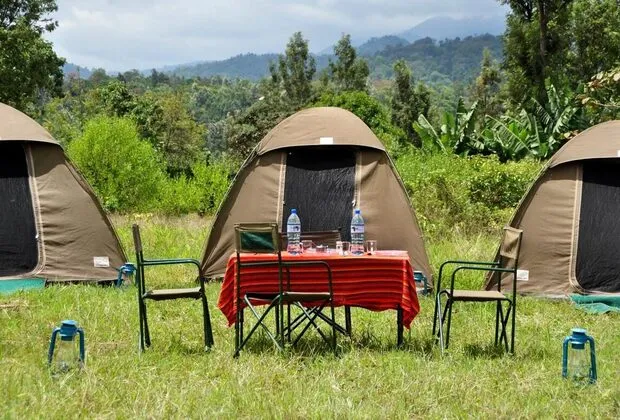
Not all camping packages come with the same equipment. On a supported camping trip, meals may be prepared by a cook and eaten at a dining setup. On some small-group arrangements, the staff structure is different. That changes how the mornings work and what you need to pack. We recommend agreeing on the practical details before choosing the cheapest offer.
Usually arranged when listed in your quote
- Safari 4x4, fuel and professional driver-guide
- Specified campsites and park/conservation fees
- Tents, mattresses and camping kitchen equipment
- Meals and drinking water stated in the itinerary
- Camp cook or crew where specified
- Pickup and drop-off points agreed in advance
Confirm separately before booking
- Sleeping bag and pillow: supplied or bring your own?
- Shared or private tent arrangements
- Charging, showers and toilet facilities
- Alcohol, soft drinks and snacks
- Tips, travel insurance and personal purchases
- Balloon flights or cultural activities not listed
Vegetarian meals and many dietary requests are possible with advance notice. Serious food allergies need specific planning: ingredients and substitutions are harder to source after the safari has left Arusha. Tell the team before shopping and packing begin.
How much does a camping safari cost?
A reliable price depends on the number of travellers, month, public versus special campsite, vehicle basis, number of park nights and where the trip starts. Park and conservation fees are real cost drivers, so a cheaper quote should make you ask what was removed rather than automatically assume it is better value.
A joining departure often spreads transport and staff expenses across several guests. A private safari costs more for one person but can be competitive for a family or group travelling together. Check whether the headline rate assumes twin sharing, what happens if you need a single tent, and whether the quote includes the Ngorongoro Crater vehicle fee for the intended itinerary. We will confirm current fees in the written offer rather than giving a universal figure that may not apply to your nationality or travel dates.
Best months and what changes with the weather
June to October is generally drier, making many road sections more straightforward and some wildlife easier to find near water. It does not mean every animal is visible or that the migration will be in the same place. January to March may work well for a southern Serengeti or Ndutu focus, subject to where the herds actually are. April and May can bring rain, muddy stretches and a wetter camp routine.
During rain, keep your sleeping clothes in a dry bag and expect the guide to adapt travel times. A beautiful green landscape is a fair trade-off for some travellers; others will prefer the more predictable dry-season roads. The best choice depends on how comfortable you are with camping in variable weather.
Camping safety and packing for the bush
- Bring a warm fleece or jacket and dry sleepwear, especially near Ngorongoro.
- Use closed walking shoes and sandals only where the camp team says they are appropriate.
- Carry personal medication, sun protection, insect repellent and a headlamp.
- Bring a power bank: electricity cannot be assumed at every campsite.
- Never keep exposed food in the tent or walk away from camp after dark without guidance.
- Keep binoculars and camera batteries accessible during the drive, rather than buried in luggage.
Wildlife may move near designated camps. That is part of being in a protected area. Your guide's instructions about night movement, food storage and campsite boundaries are not optional.
Common questions about Tanzania camping safaris
Do I need to put up my own tent?
Usually not on a fully supported camping safari, but it depends on whether you have booked a crew-supported private trip or a different joining arrangement. The quotation will state who sets up camp.
Are the bathrooms shared?
Public campsite bathrooms are generally shared. A special campsite or tented camp may be arranged differently. Ask for the exact site and facilities.
Can children go on a camping safari?
Some families enjoy it. Children's ages, campsite regulations, rooming, cold nights and tolerance for long drives all matter. We would discuss those details before recommending a route.
Is camping the same as a budget lodge safari?
No. Basic camping usually means separate tents and shared or temporary campsite facilities; a lodge gives you a room and its own services. Confirm what you are actually buying.
Will we see the Big Five?
There are opportunities to see several of these animals in the northern parks, but sightings depend on conditions and luck. No responsible itinerary promises all five.
Can I add Zanzibar afterward?
Yes. You can connect through Arusha or use a suitable domestic flight when available. See Tanzania safari and Zanzibar options.
Plan Your Tanzania Camping Safari Packages with Capable Africa Tours
Send your dates, number of guests and preferred accommodation level. We will check what is available and return an itinerary with the actual services, inclusions and total price clearly described.