
How to Plan an Affordable Tanzania Safari in 2026/2027
An affordable Tanzania safari is usually created by controlling route length, vehicle sharing, accommodation style and travel season—not by removing essential park fees, guide quality or vehicle maintenance. This guide shows where savings are sensible and where very low prices can create poor logistics or hidden costs.
This guide will help you grasp how affordable Tanzania safari tours work. You'll learn when to go, where to visit, and how to stretch your budget. Traveling solo, as a couple, or in a small group? This article will help you find affordable ways to enjoy Tanzania’s wildlife.
Book Your Safari NowQuick Answer
The most reliable way to reduce cost is to share a vehicle, travel by road, limit long detours and use carefully selected camps or lodges. A three- to five-day Northern Circuit route can deliver strong wildlife variety without the cost of a long fly-in itinerary.
Key Planning Facts
- Best cost lever: Share the safari vehicle
- Efficient route: Combine nearby Northern Circuit parks
- Lower-price periods: Selected green and shoulder-season dates
- Do not compromise: Licensing, guide quality, vehicle condition and insurance
Why Choose Tanzania for Your Safari Adventure?
Tanzania is a top safari spot in Africa. It’s also budget-friendly and easy to reach.
World-Class Wildlife at Fair Prices
Tanzania is home to:
- The Big Five (lion, leopard, elephant, buffalo, rhino)
- The Great Wildebeest Migration
- Over 430 mammal species and 1,000+ bird species
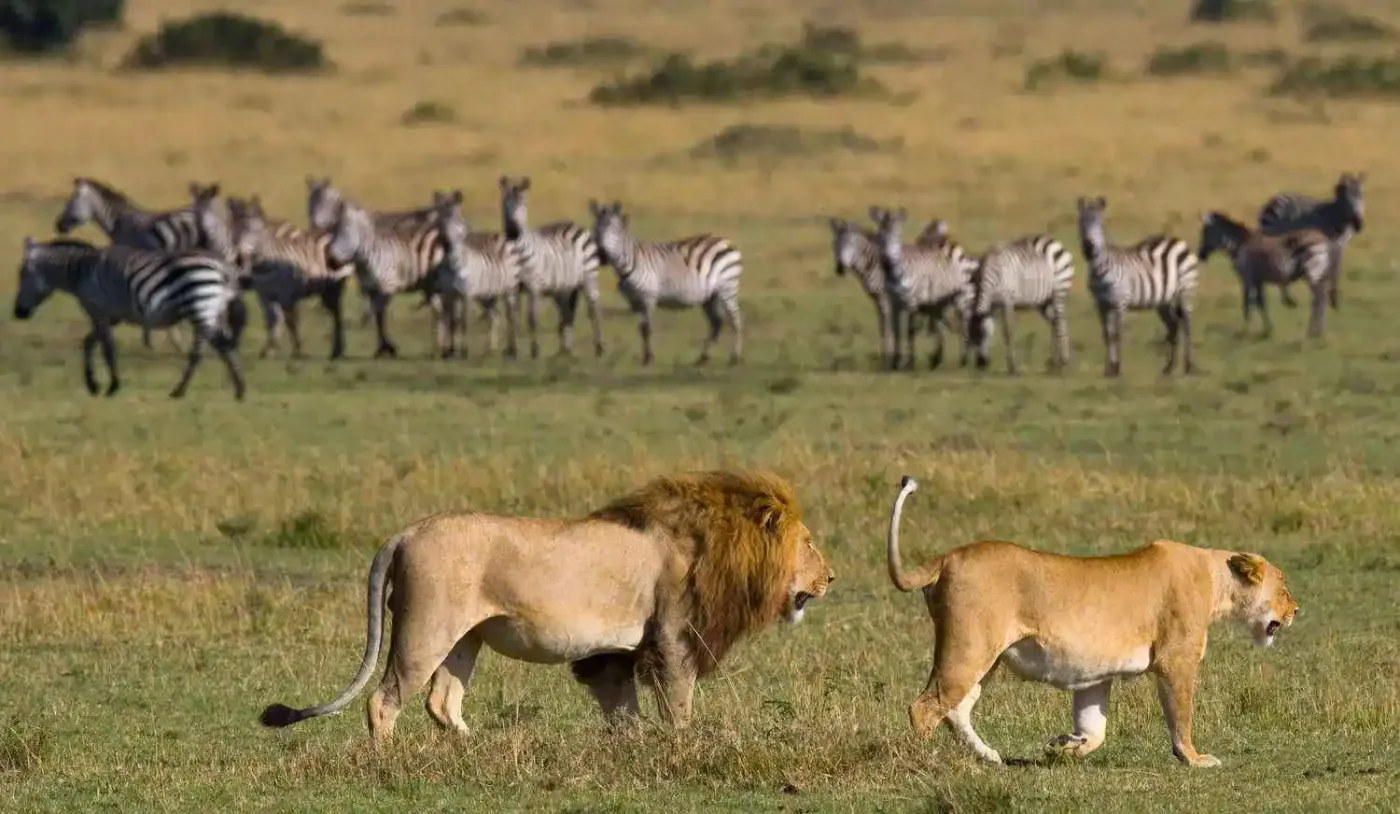
What makes Tanzania special is the density of wildlife. In places like Serengeti and Ngorongoro, you spot more animals with fewer game drives. This means you get better value for your money.
Budget Safaris Are Well-Established
Unlike some destinations where budget safaris feel rushed or limited, Tanzania has:
- Shared group safaris
- Affordable camping options
- Budget lodges near major parks
- Reliable road networks between parks in the Northern Circuit
This makes it easier to design shorter, cost-effective itineraries without missing the highlights.
Ideal for First-Time Safari Travelers
If this is your first safari, Tanzania is a smart choice:
- English-speaking guides
- Well-managed national parks
- Flexible safari styles (from camping to mid-range lodges)
- Easy combination with cultural tours or Zanzibar beach holidays
All of this helps keep planning simple and costs controlled.
Types of Affordable Tanzania Safaris: Budget-Friendly Choices
Not all safaris are the same—and understanding your options is the key to staying within budget. Here are the most popular affordable safari styles in Tanzania. This guide helps you choose the one that suits you best.
1. Budget Camping Safaris
This is the most affordable way to experience a Tanzania safari.
What to expect in safari camps:
- Accommodation in public or private campsites
- Dome tents with sleeping mats
- Shared bathroom facilities
- Meals prepared by a safari cook
Why camping saves money:
- Lower accommodation costs
- Shared vehicles and guides
- Simple but efficient logistics
Who is camping Best for:
- Adventure travelers
- Backpackers
- Young couples and students
- Travelers who value experience over luxury
Despite the lower price, wildlife viewing is exactly the same as higher-end safaris.
Explore Camping Tours Packages2. Budget Lodge Safaris
If camping isn’t your style, budget lodges offer a comfortable middle ground.
What to expect on budget lodges:
- Permanent rooms with beds and private bathrooms
- Basic but clean amenities
- Lodges located just outside national parks
Why it’s affordable:
- Lodges outside parks have lower fees
- Shared game drives reduce costs
- Shorter itineraries keep park fees down
Best for:
- Couples
- Families
- Young couples and students
- Travelers who want comfort without luxury pricing
This option is ideal if you want value, comfort, and wildlife access in one package.
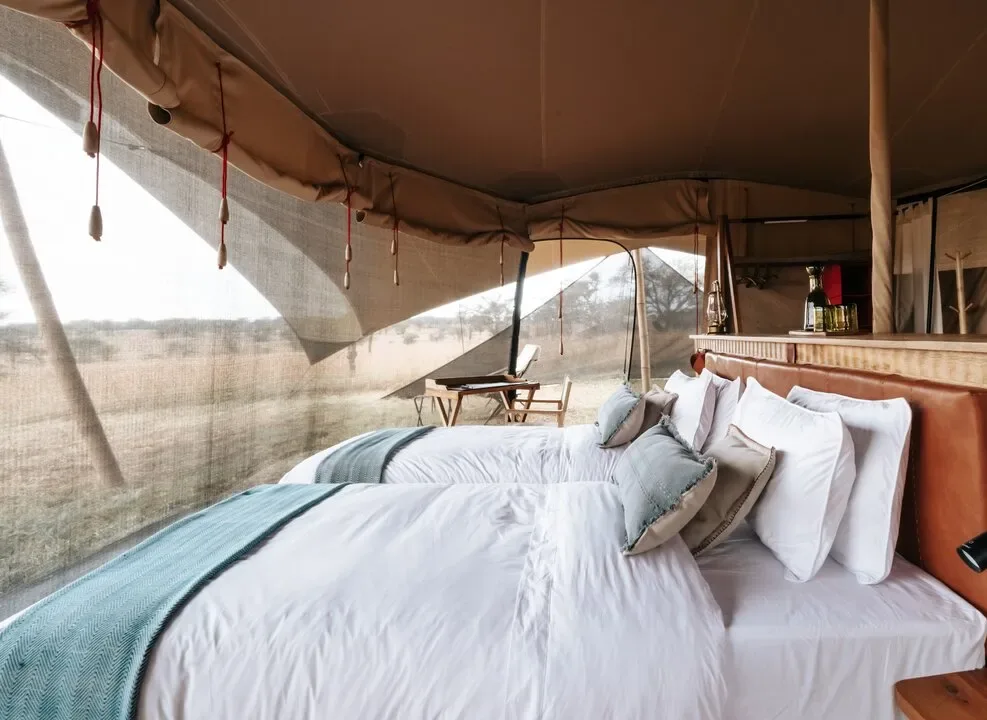
3. Group Joining Safaris
Group safaris are one of the most cost-effective options in Tanzania.
How it works:
- You join other travelers in a shared safari vehicle
- Costs like fuel, guide, and park fees are split
- Fixed departure dates
Benefits:
- Significantly lower price per person
- Social experience with travelers from around the world
- Same wildlife routes as private safaris
Things to consider:
- Less flexibility in schedule
- Shared vehicle space
Group safaris are perfect if you’re traveling solo or want to keep costs as low as possible.
Explore Group Joining Packages4. Short-Duration Safaris (2–4 Days)
Longer safaris increase costs mainly due to park fees and accommodation. Short safaris offer excellent value.
Popular short options include:
Why they’re budget-friendly:
- Fewer park entry days
- Less fuel and guide time
- Lower accommodation costs
Short safaris are great if you want to see wildlife. You can explore Zanzibar, trek Kilimanjaro, or enjoy cultural tours.
5. Private Budget Safaris
Yes—private safaris can still be budget-friendly.
How this works:
- You have your own vehicle and guide
- Budget lodges or camping keep costs down
- Best value when traveling as 2–6 people
Why it can be affordable:
- Cost is shared within your group
- More flexibility without luxury upgrades
This is a great option if you want privacy and control without paying premium prices.
Setting the Right Expectations (Budget vs Luxury)
A budget safari doesn’t mean low quality—it simply means:
- Simpler accommodation
- Fewer frills
- Focus on wildlife and experience
You still get:
- Professional guides
- Well-maintained safari vehicles
- Incredible wildlife encounters
- Breathtaking landscapes
Knowing this from the start helps you enjoy the experience fully. You won’t compare it to luxury lodges.
Explore Private ToursBest Time to Visit Tanzania for Affordable Safaris
Timing plays a major role in determining the cost of your Tanzania safari. Choose the right season for great wildlife viewing. It also helps you save money.
Low Season (March to May)
This is the most affordable time for safari tours in Tanzania. Why it’s cheaper:
- Lower lodge and campsite rates
- Fewer tourists
- Better availability for group safaris
What to expect:
- Occasional rain, especially in April
- Lush green landscapes
- Fewer vehicles at sightings
Wildlife remains abundant. Many seasoned travelers like this season for its calm vibe and great value.
Shoulder Season (November and Early December)
This period offers a balance between cost and conditions. benefits of this season:
- Reduced safari prices compared to peak season
- Good wildlife visibility
- Short rains that rarely disrupt game drives
It’s an excellent option if you want lower prices without heavy rainfall.
Peak Season (June to October)
This is the most popular time for safaris due to dry weather and wildlife concentration.
Cost considerations:
- Higher park fees and accommodation prices
- Increased demand for vehicles and guides
Budget tip: You can still travel affordably during peak season by:
- Joining group safaris
- Choosing budget lodges
- Shortening your itinerary
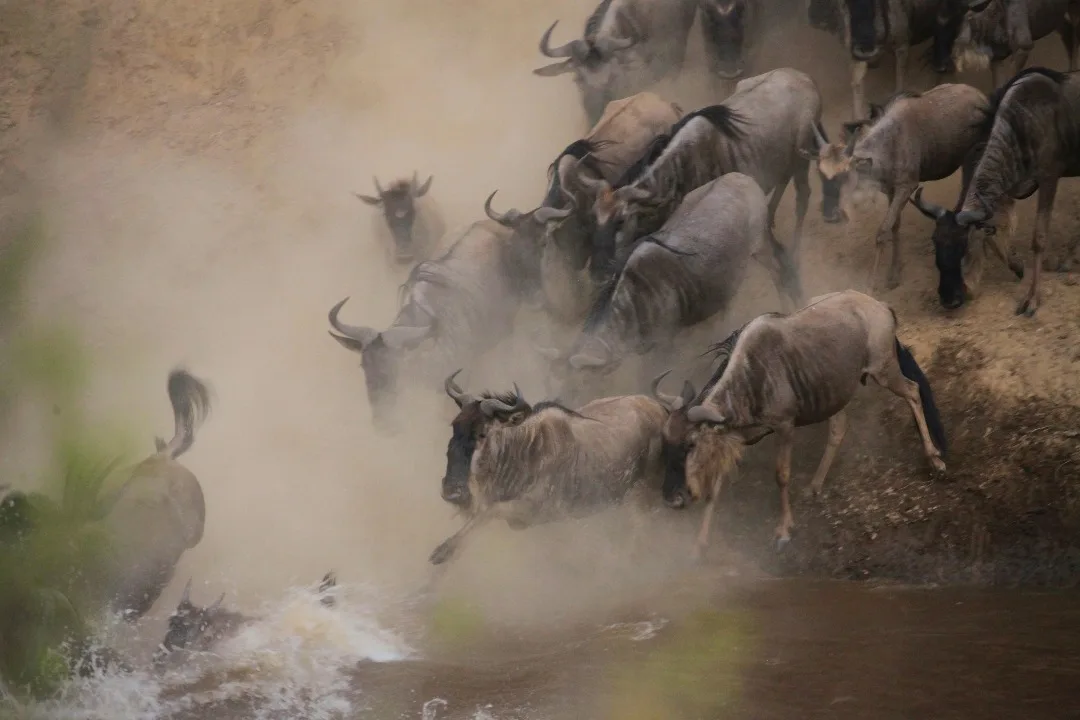
Peak season is ideal if you’re focused on iconic wildlife moments like the Great Migration river crossings.
Top Budget Safari Destinations in Tanzania
Tanzania’s Northern Circuit is great for budget safaris. It’s close, has lots of wildlife, and has good infrastructure.
1. Tarangire National Park
Tarangire is one of the best budget safari parks in Tanzania.
Why it’s affordable:
- Lower park fees than Serengeti
- Close to Arusha (less fuel cost)
- Excellent for short safaris
Tarangire National Park Highlights:
- Large elephant herds
- Ancient baobab trees
- Seasonal river attracting wildlife
Tarangire delivers a true safari feel in just one or two days.
2. Lake Manyara National Park
Lake Manyara is another national park that fits perfectly into budget itineraries.
Why it works for budget travelers:
- Small park, less driving time
- Often combined with other parks in a single trip
- Good wildlife diversity in a short visit
What you may see in Lake Manyara National Park:
- Tree-climbing lions
- Flamingos (seasonal)
- Hippos and monkeys
Lake Manyara is ideal as a one-day add-on to keep costs manageable.
3. Serengeti National Park (Budget-Friendly Approach)
Serengeti is often seen as expensive, but it doesn’t have to be.
How to visit Serengeti on a budget:
- Choose camping safaris
- Limit nights to 1–2
- Join group tours
- Stay in public campsites
Why Serengeti National Park worth it:
- Vast open plains
- High predator density
- Unmatched wildlife encounters
Even a short Serengeti visit offers incredible value and unforgettable moments.
4. Ngorongoro Conservation Area
Ngorongoro Crater offers one of the highest chances of spotting the Big Five in a single day.
Budget strategy when visiting Ngorongoro Conservation Area:
- Visit as a day trip
- Combine with Tarangire or Lake Manyara
- Choose group safaris to split crater fees
Although crater fees are higher, the experience justifies the cost—especially when planned efficiently.
5. Arusha National Park
Often overlooked, Arusha National Park is a hidden budget gem.
Why Arusha National Park is affordable
- Very close to Arusha town
- Lower park fees
- Ideal for day trips
Arusha National Park Highlights:
- Giraffes and buffalo
- Mount Meru views
- Walking safaris and canoeing
This park is perfect for travelers with limited time or budget.
How to Plan Your Safari on a Budget
Smart planning is the foundation of an affordable safari. Here’s how to do it right.
Choose the Right Safari Duration
More days mean higher costs. A 2–4 day safari can still deliver an excellent experience.
Recommended durations:
- 2 days: Tarangire + Ngorongoro
- 3 days: Serengeti express
- 4 days: Tarangire, Serengeti, Ngorongoro
Focus on quality sightings, not the number of days.
Travel in a Small Group
Sharing a safari vehicle reduces:
- Fuel costs
- Guide fees
- Park fees per person
If you’re traveling solo, joining a group safari can save up to 40% compared to private tours.
Book with Local Tour Operators
Local operators offer better value because:
- No international middlemen
- Local knowledge reduces logistics costs
- Flexible customization
They also understand how to design cost-efficient routes that maximize wildlife viewing.
Avoid Unnecessary Extras
Luxury add-ons increase costs quickly. You can Skip Luxury lodges, Domestic flights between parks, Premium vehicle upgrades
Focus instead on: Quality guiding, Well-planned routes, Prime wildlife areas
Combine Safari with Other Activities Smartly
Many travelers combine safaris with:
- Zanzibar beach holidays
- Kilimanjaro trekking
- Cultural village visits
To save money:
- Keep safari days focused
- Schedule rest days outside parks
- Choose budget accommodations between activities
Tips for Saving Money on Safari Tours
You can cut safari costs without sacrificing quality, even with a good plan. These practical tips are used by experienced travelers and local experts alike.
Travel During Off-Peak Seasons
Low and shoulder seasons offer:
- Lower accommodation rates
- Better group safari availability
- More flexibility in pricing
Wildlife doesn’t disappear during the rainy season—it simply spreads out. With knowledgeable guides, sightings remain excellent.
Choose Road Safaris Over Flights
Domestic flights between parks are convenient but expensive. Budget-friendly alternative:
- Road safaris using 4x4 Land Cruisers
- Scenic drives through local villages and landscapes
- More value per dollar
Road safaris also allow spontaneous wildlife sightings along the way.
Which is Better between Booking in Advance or Last Minute (Strategically)
Both strategies can save money:
- Advance booking secures group departures and lower rates
- Last-minute booking can unlock discounts to fill empty seats
If your travel dates are flexible, ask operators about joining already confirmed groups.
Share Costs Where Possible
Sharing reduces expenses significantly:
- Safari vehicles
- Guides
- Campsite and park fees
Even couples benefit from joining small groups to access lower per-person pricing.
Pack Smart to Avoid Extra Expenses
Buying or renting gear last minute adds unnecessary costs. You should Bring:
- Comfortable neutral-colored clothing
- Reusable water bottles
- Basic medical supplies
Good preparation keeps spending under control throughout your trip.
Essential Gear and Packing for Budget Safaris
You don’t need expensive equipment to enjoy a safari, but the right essentials make a big difference.
Clothing Essentials
Pack light, practical items:
- Lightweight long-sleeve shirts
- Neutral colors (khaki, olive, beige)
- Warm layer for early mornings
- Rain jacket (especially in low season)
Avoid bright colors and heavy luggage.
Footwear and Accessories
- Comfortable walking shoes or trainers
- Hat and sunglasses
- Sunscreen and insect repellent
- Small daypack
These basics cover most safari needs.
Electronics and Personal Items
- Camera or smartphone with extra storage
- Power bank (electricity can be limited)
- Flashlight or headlamp for campsites
Simple items improve comfort without increasing cost.
Making the Most of Your Affordable Tanzania Safari Experience
You don’t need a luxury budget for an unforgettable Tanzania safari. Just plan smart, set realistic expectations, and get the right guidance. Tanzania has great options like budget camping safaris, affordable lodges, and group tours. You can enjoy real wildlife experiences without spending a lot. It’s a fantastic way to explore the beauty of nature on a budget.
Choose the right season and key destinations. Work with local experts. This way, you can see Africa's amazing wildlife, stunning landscapes, and vibrant culture—all within your budget.
Affordable Tanzania safari tours focus on experience, not luxury. With the right approach, your safari can be just as memorable and rewarding as any luxury option.
Your adventure begins not in luxury, but with curiosity and preparation. It starts when you choose to explore. Tanzania is ready when you are.
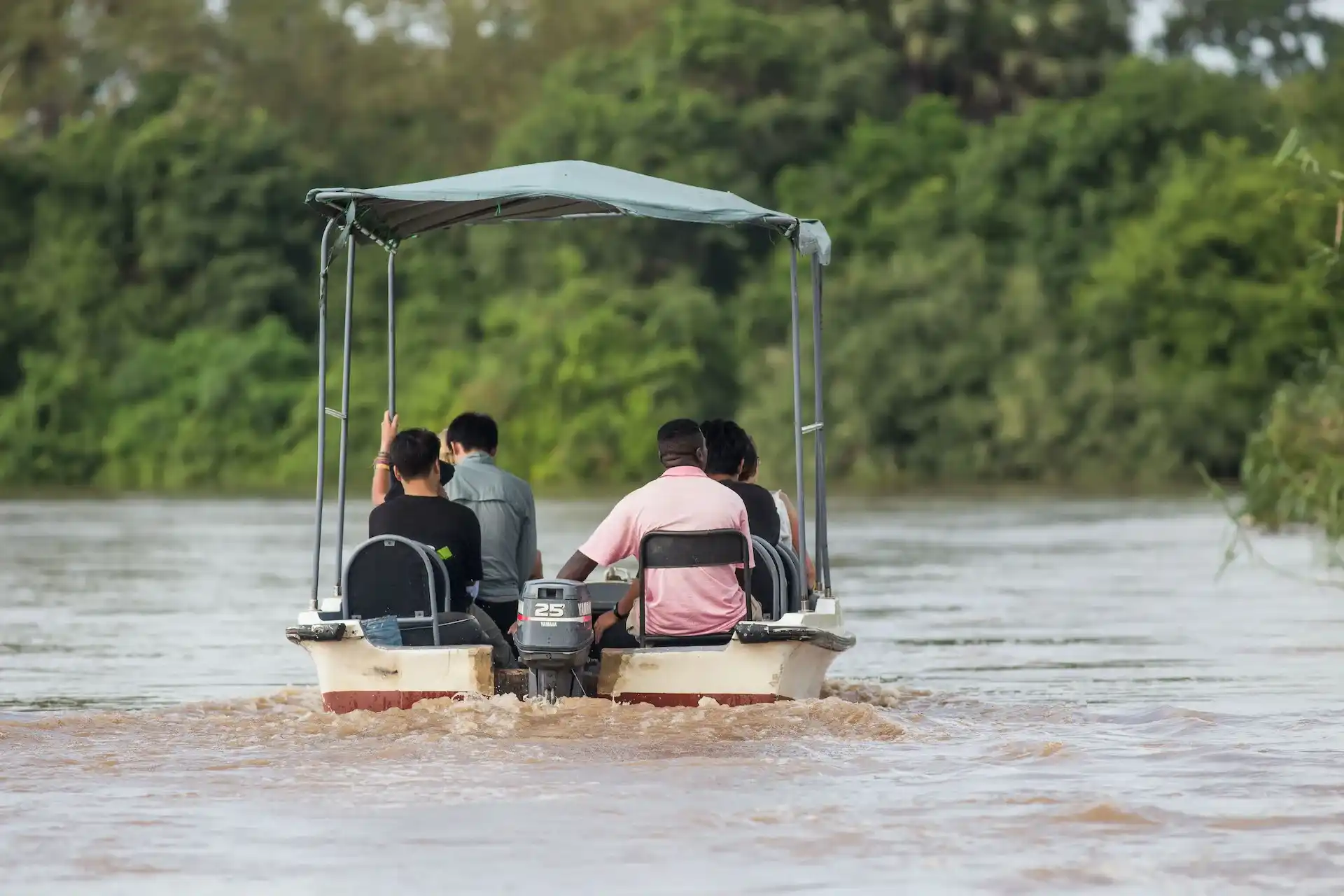
Tanzania Safari Tours Gallery
Where Budget Choices Make the Biggest Difference
Park fees are largely fixed, so the biggest flexible costs are the vehicle, accommodation and number of travel days. Joining a scheduled departure can reduce the per-person vehicle cost, while private travel gives more control over pace, photography stops and family needs.
A cheap itinerary that drives Arusha to the Serengeti and back too quickly may offer less useful game-viewing time than a shorter Tarangire–Ngorongoro route. Value should be measured in well-planned wildlife hours, not only total days.
Common Planning Mistakes to Avoid
- Choosing an unrealistic route with too many parks.
- Failing to ask whether VAT, crater service fees and airport transfers are included.
- Paying a personal account without a written invoice and company details.
- Assuming every group departure is guaranteed.
- Booking flights that leave no buffer after the safari.
Local expert note: For travelers with a strict budget, we normally begin with dates, group size and the two wildlife priorities that matter most. The route is then built around those priorities instead of adding every famous park.
Plan Your Tanzania Safari Around the Right Season
Join Capable Africa Tours for Tanzania safari tours that bring you face-to-face with the Great Migration, the Big Five, and Tanzania’s stunning landscapes. From Serengeti’s endless plains to Selous’ tranquil rivers, our expert-guided safaris offer adventure and comfort.
- 95% success rate for wildlife sightings
- Custom itineraries with Serengeti, Ngorongoro, and Selous
- Eco-friendly lodges supporting local conservation
- Small groups for intimate experiences
- 24/7 support from planning to departure
Limited spots available for these exclusive Tanzania safari tours—book now to secure your adventure!
Book This Safari NowEditorial Review and Sources
Last reviewed on 30 July 2026 by the Capable Africa Tours Tanzania travel-planning team. Operational details, seasonal conditions, accommodation status, park rules and prices can change; confirm the final itinerary and written quotation before booking.