
How to Avoid Injuries on Kilimanjaro 2026/2027: Knees, Blisters and Falls
Most non-altitude injuries on Kilimanjaro involve blisters, sore knees, ankle strains, falls or overuse. They are often linked to poor boot fit, inadequate downhill training, rushing and ignoring a small problem until it becomes difficult to manage.
Plan Your Safe Kilimanjaro Trek Now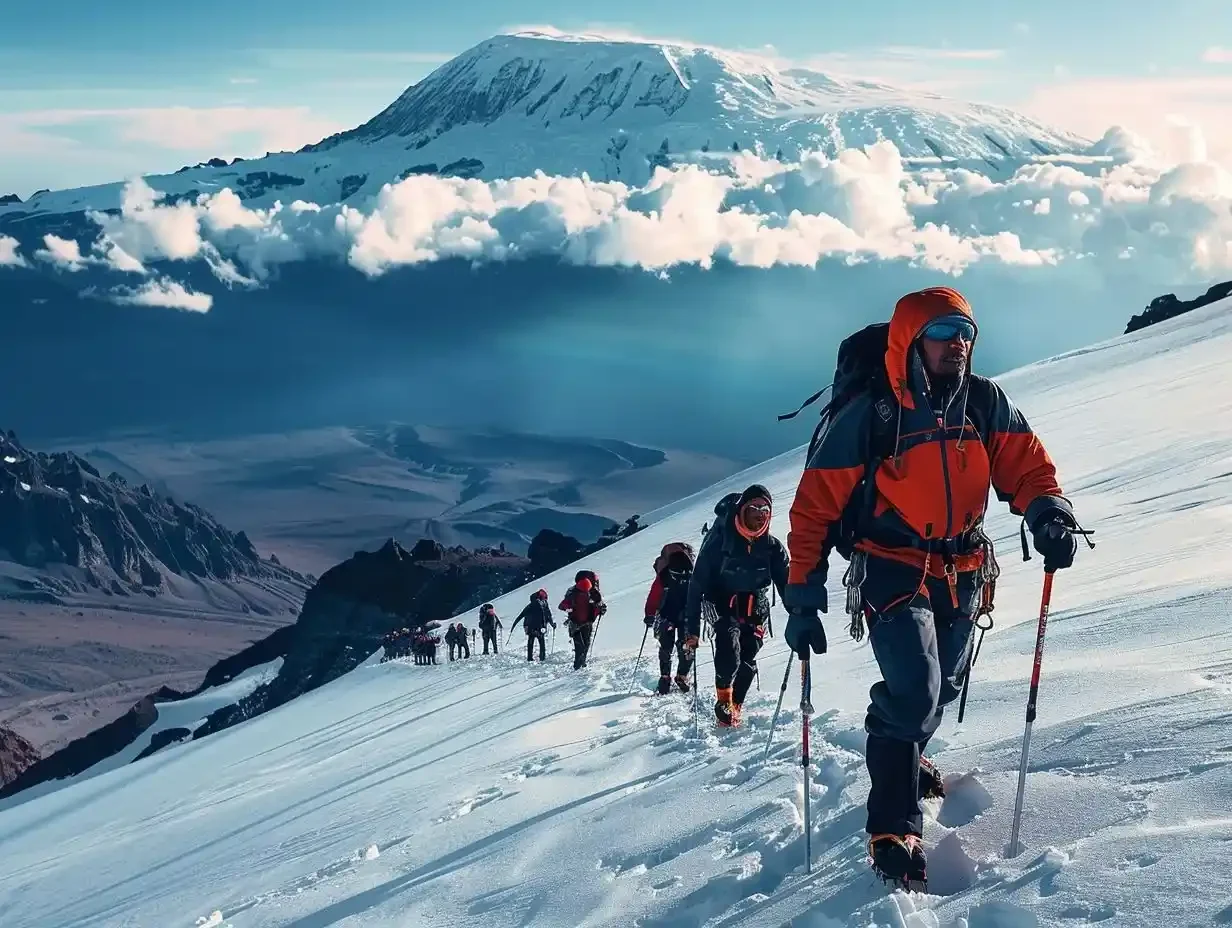
Quick Answer
Train for consecutive hiking days, test every item of footwear, use trekking poles correctly and tell the guide as soon as pain or a hot spot develops. Summit descent is long and loose underfoot, so strong legs and a controlled pace matter as much as uphill fitness.
Key Planning Facts
- Common problems: Blisters, knee pain, ankle strains and falls
- Best preparation: Back-to-back hikes and downhill conditioning
- Essential equipment: Broken-in boots and adjustable trekking poles
- Early action: Treat hot spots and pain before they worsen
Why Injury Prevention is Critical for Kilimanjaro
Injury prevention is critical for Kilimanjaro because even minor strains or slips can quickly turn into serious problems at high altitude. Staying safe ensures you reach the summit, enjoy the trek, and avoid complications that could cut your adventure short. Simple precautions like proper footwear, pacing yourself, and using trekking poles make a huge difference. Common injuries like blisters, sprained ankles, knee pain, and altitude sickness affect up to 30% of climbers, according to Tanzania National Parks data. Capable Africa Tours emphasizes preparation, proper gear, and trekking techniques to minimize risks and ensure a safe, successful summit. Below, we outline the most common injuries and how to avoid them.
Common Injuries on Kilimanjaro
| Injury | Cause | Prevention | Impact |
|---|---|---|---|
| Blisters | Ill-fitting boots, wet feet | Broken-in boots, merino wool socks, liners | Pain, infection risk |
| Sprained Ankles | Uneven terrain, fatigue | Trekking poles, high-ankle boots | Limited mobility |
| Knee Pain | Steep descents, heavy packs | Trekking poles, knee braces, light packs | Reduced endurance |
| Altitude Sickness | Rapid ascent, low oxygen | Longer routes, hydration, Diamox | Headaches, nausea, evacuation |
| Sunburn | High UV exposure | SPF 50+, UV400 sunglasses, hat | Skin damage, discomfort |
How to Prepare Physically to Avoid Injuries
To prepare physically for Kilimanjaro and reduce the risk of injury, focus on building endurance, strength, and flexibility. Incorporate regular cardio exercises like hiking, running, or cycling to improve stamina, and add strength training for your legs, core, and back to handle steep climbs and heavy packs. Include balance and flexibility exercises, such as yoga or stretching routines, to prevent strains and improve mobility on uneven terrain. Gradually increase the intensity and duration of your workouts to mimic the demands of the trek. Below is a comprehensive guide to physical preparation that will help you climb safely and confidently during your 6–9 day Kilimanjaro trek with Capable Africa Tours. Capable Africa Tours recommends a mix of cardio, strength, and hiking practice to prepare for the 40–60km trek over 6–9 days.
Training Plan to Prevent Injuries
- Cardio (3–4 times/week): Run, cycle, or swim for 45–60 minutes to build endurance for 5–8 hour daily treks.
- Strength Training (2–3 times/week): Focus on legs (squats, lunges) and core (planks, Russian twists) to support steep climbs and descents.
- Hiking Practice (1–2 times/week): Walk 3–5 hours with a 5–7kg backpack on uneven terrain to mimic Kilimanjaro conditions.
- Balance Exercises: Single-leg stands or yoga improve stability, reducing ankle sprain risks on rocky trails.
- Altitude Simulation: Train at elevation (if possible) or use a stair climber to prepare for low-oxygen conditions.
Essential Gear to Prevent Injuries
To prevent injuries on Kilimanjaro, pack the right gear: sturdy, well-fitted hiking boots to support ankles, trekking poles to reduce knee strain, a quality backpack with proper weight distribution, layered clothing to manage temperature, and a reliable first-aid kit. These essentials keep you safe and moving comfortably. Capable Africa Tours provides gear rental options and expert advice to ensure you’re well-equipped.
Gear Checklist for Safety
| Item | Quantity | Purpose | Recommended Brands |
|---|---|---|---|
| Hiking Boots | 1 pair | Grip, ankle support | Salomon Quest 4 GTX, Merrell Moab |
| Trekking Poles | 2 | Stability, reduce joint strain | Black Diamond Trail Pro |
| Merino Wool Socks | 3–4 pairs | Blister prevention, warmth | Darn Tough, Smartwool |
| Backpack (30–40L) | 1 | Comfortable weight distribution | Osprey Talon, Deuter Speed Lite |
| UV Protection | 1 set | Prevent sunburn | Buff CoolNet, UV400 sunglasses |
Gear Tips
- Break in Boots: Wear new boots for 20–30 hours before the trek to prevent blisters.
- Use Trekking Poles: They reduce knee impact by 20–25%, per a 2023 hiking study.
- Pack Light: Keep your daypack under 7kg to avoid shoulder and back strain.
- Rent Heavy Gear: Save luggage space by renting sleeping bags or down jackets from Capable Africa Tours.
Watch: Staying Safe on Kilimanjaro
See how Capable Africa Tours helps trekkers avoid injuries with expert preparation and gear tips in this video guide.
Top Trekking Tips to Avoid Injuries
To minimize the risk of injuries on Kilimanjaro, maintain a steady pace, take regular breaks, and listen to your body’s signals. Warm up before each day’s hike, stretch gently, and strengthen key muscles through pre-trek exercises. Use trekking poles to reduce strain on knees, wear properly fitted boots, and adjust your backpack correctly to maintain balance. Pay attention to proper hydration and nutrition to keep energy levels steady. Below is a comprehensive list of top trekking tips to help you stay safe and injury-free during your 6–9 day Kilimanjaro trek with Capable Africa Tours.
Injury Prevention Techniques
- Go Slow (Pole Pole): Walk at a steady, slow pace to conserve energy and reduce fatigue-related missteps.
- Stay Hydrated: Drink 3–4L of water daily to prevent dehydration, which worsens altitude sickness.
- Use Proper Foot Placement: Step deliberately on uneven terrain to avoid twisting ankles.
- Monitor Altitude Symptoms: Report headaches, nausea, or dizziness to your guide immediately.
- Keep Feet Dry: Change socks daily and use gaiters to protect against mud and rain.
- Rest and Recover: Take short breaks every 1–2 hours to reduce muscle fatigue.
Altitude Sickness Prevention
Acute Mountain Sickness (AMS) affects 50% of climbers on shorter routes. To minimize risk:
- Choose a 7–9 day route (e.g., Machame or Lemosho) for better acclimatization.
- Take Diamox (125–250mg daily) if prescribed by a doctor.
- Monitor oxygen levels with pulse oximeters, used by Capable Africa Tours’ guides.
Train for the Descent, Not Only the Summit
Many climbers prepare for uphill cardiovascular effort but underestimate the descent. Step-down exercises, controlled downhill hiking and strength work for quadriceps, glutes and calves can improve stability when tired. Training should build gradually rather than creating an injury before travel.
Trekking poles can reduce load and improve balance when adjusted correctly. Boots should hold the heel securely while leaving enough toe room for downhill movement and thicker summit socks.
Common Planning Mistakes to Avoid
- Wearing new boots for the first time on the mountain.
- Ignoring a blister hot spot until skin breaks.
- Descending too fast in loose scree.
- Carrying unnecessary weight in the daypack.
- Using pain medicine to conceal a worsening injury from the guide.
Local expert note: Our guides schedule short clothing and equipment adjustments before major temperature or terrain changes. A two-minute stop to fix laces or add a layer can prevent a much larger problem later.
Climb Kilimanjaro Safely with Capable Africa Tours
Join Capable Africa Tours for a safe, injury-free Kilimanjaro adventure. Our experienced guides, comprehensive safety protocols, and gear rental options ensure you’re prepared for the summit. Book now for a worry-free trek!
- summit outcomes depend on acclimatization, weather, health and guide safety decisions
- Safety-first treks with daily health checks
- Gear rentals for sleeping bags, down jackets, and more
- Customizable 6–9 day routes for all fitness levels
- Eco-friendly climbs supporting local communities
Limited spots for Kilimanjaro treks — secure your safe climb today!
Plan Your Trek NowRelated Kilimanjaro Routes and Planning Guides
5-Day Marangu Route Kilimanjaro Climb | Hut-Based Trekking
Climb Kilimanjaro on the “Coca-Cola” route with Capable Africa Tours. Enjoy hut accommodations and expert safety guidance.
View Package →
6-Day Marangu Route Kilimanjaro Climb | Best for First-Time Trekkers
Join Capable Africa Tours for a beginner-friendly climb with an extra acclimatization day and safety-focused guides.
View Package →
7-Day Machame Route Kilimanjaro Trek | Scenic & Safe Climb
Tackle the “Whiskey Route” with Capable Africa Tours for a safe, scenic climb with high summit success rates.
View Package →Editorial Review and Sources
Last reviewed on 30 July 2026 by the Capable Africa Tours Tanzania travel-planning team. Operational details, seasonal conditions, accommodation status, park rules and prices can change; confirm the final itinerary and written quotation before booking.