
Best Boots for Kilimanjaro 2026/2027: Fit, Warmth and Trail Guide
The best Kilimanjaro boot is the model that fits your foot securely, stays dry, leaves toe room for descents and works with your summit sock system. Brand rankings are less important than fit. Most trekkers are best served by a waterproof mid-height hiking boot rather than a heavy technical mountaineering boot.
Plan Your Kilimanjaro Trek Now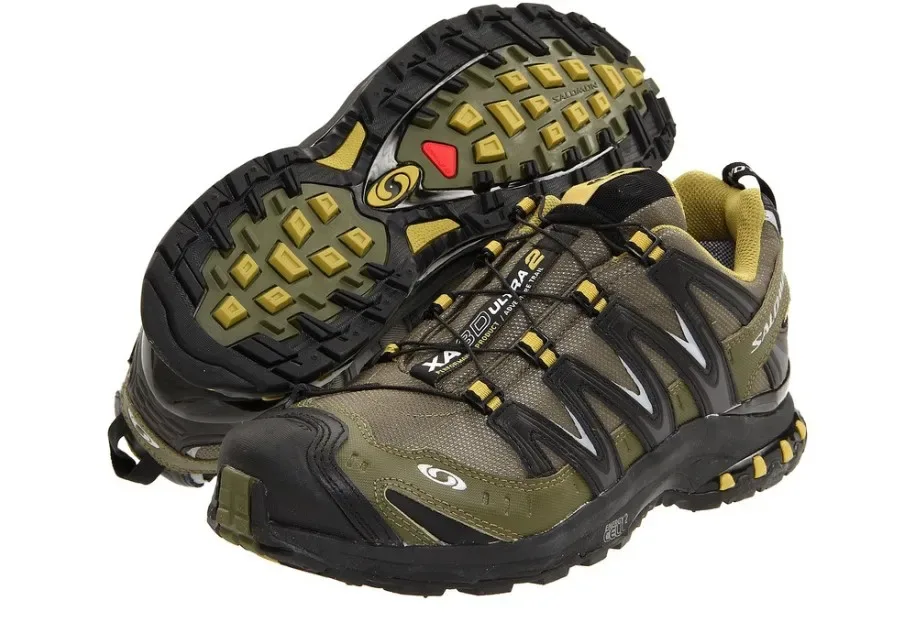
Quick Answer
Look for a broken-in waterproof mid boot with reliable grip, heel hold and enough space to wiggle your toes in thick socks. Try models such as the Salomon Quest, Lowa Renegade, Merrell Moab Mid, La Sportiva hiking range or Scarpa trekking boots—but buy only after a proper fit test.
Key Planning Facts
- Recommended type: Waterproof mid-height hiking boot
- Fit priority: Secure heel with generous toe room
- Break-in target: Several long hikes before departure
- Bring as backup: Light camp shoes, spare laces and dry socks
Why Choosing the Right Hiking Shoes for Kilimanjaro Matters
Climbing Mount Kilimanjaro, Africa’s highest peak at 5,895 meters (19,341 feet), demands footwear that can handle diverse terrains—muddy rainforest trails, rocky paths, and loose scree near the summit. Choosing the right hiking shoes for Kilimanjaro is essential for comfort, stability, and preventing injuries. Look for sturdy, waterproof boots with good ankle support and a grippy sole for rocky and uneven terrain. Break in your shoes well before the trek to avoid blisters, and wear moisture-wicking socks to keep your feet dry. Consider carrying lightweight camp shoes for evenings to reduce fatigue. With Capable Africa Tours, we emphasize boots with waterproofing, ankle support, and durable soles to tackle Kilimanjaro’s 6–9 day trek. Below, we explore the best hiking shoes, their features, and tips to prepare your feet for the summit.
Key Features of the Best Hiking Shoes for Kilimanjaro
- Waterproofing: Gore-Tex or similar membranes keep feet dry in the rainforest zone (up to 3,000m) and snowy summit areas.
- Ankle Support: Mid or high-ankle boots reduce the risk of sprains on uneven terrain (e.g., Barranco Wall).
- Grip and Traction: Vibram or equivalent soles provide stability on loose scree and wet rocks.
- Durability: Leather or synthetic uppers withstand 40–60 miles of rugged trails over 6–9 days.
- Comfort and Fit: Cushioned midsoles and roomy toe boxes accommodate swelling and thick socks.
- Weight: Lightweight boots (1–1.5kg per pair) reduce fatigue on long trekking days (6–12 hours).
Boot Examples to Try in 2026/2027—Fit Comes First
Below is a carefully curated list of the top 5 hiking shoes for Kilimanjaro in 2025, recommended for both beginners and experienced climbers with Capable Africa Tours.
| Brand/Model | Weight (Pair) | Waterproof | Sole Type | Price Range | Best For |
|---|---|---|---|---|---|
| Salomon Quest 4 GTX | 1.3kg | Yes (Gore-Tex) | Contagrip | $200–$250 | All-around performance |
| Merrell Moab 3 Mid | 1.1kg | Yes (Gore-Tex) | Vibram | $130–$160 | Budget-friendly comfort |
| La Sportiva Nucleo High II GTX | 1.2kg | Yes (Gore-Tex) | Vibram | $190–$230 | Rocky terrain stability |
| Keen Targhee III Mid | 1.1kg | Yes (Keen.Dry) | Rubber | $140–$170 | Wide feet comfort |
| Hoka Anacapa Mid GTX | 1.0kg | Yes (Gore-Tex) | Vibram Megagrip | $180–$220 | Lightweight cushioning |
Expert Tips for Choosing and Using Hiking Shoes for Kilimanjaro
To choose and use hiking shoes effectively for Kilimanjaro, select well-fitting, waterproof boots with sturdy ankle support and grippy soles for varied terrain. Break them in before the trek to prevent blisters, and wear moisture-wicking socks to keep your feet dry and comfortable. Consider bringing lightweight camp shoes for evenings at the lodge or campsite. Properly maintain your boots by cleaning and drying them after each day to prolong their lifespan. Below is a comprehensive guide of expert tips for selecting and using hiking shoes to keep your feet safe, comfortable, and ready for every stage of your Kilimanjaro climb with Capable Africa Tours.
- Break Them In: Wear boots on 5–10 mile hikes over 2–3 weeks to mold them to your feet.
- Choose Half a Size Up: Allow room for swelling and thick socks (e.g., merino wool, 200–300g weight).
- Pair with Gaiters: Use gaiters to keep debris out on dusty or muddy trails (e.g., Lemosho route).
- Test on Similar Terrain: Practice on rocky or hilly trails to ensure grip and comfort.
- Maintain Waterproofing: Apply waterproof spray before the trek to enhance Gore-Tex performance.
- Bring Spare Laces: Carry 100–120cm laces for replacements on long treks.
Hiking Boots vs. Trail Shoes for Kilimanjaro
Choosing between hiking boots and trail shoes depends on your priorities. Below is a comparison to guide your decision for Kilimanjaro with Capable Africa Tours.
| Feature | Hiking Boots | Trail Shoes |
|---|---|---|
| Ankle Support | High (mid/high-ankle design) | Low (minimal ankle support) |
| Weight | 1–1.5kg per pair | 0.6–0.9kg per pair |
| Durability | High (leather/synthetic uppers) | Moderate (mesh uppers) |
| Terrain Suitability | Ideal for rocky, uneven trails | Best for flat, less rugged paths |
| Waterproofing | Excellent (Gore-Tex common) | Variable (some non-waterproof) |
Recommendation: Hiking boots are preferred for Kilimanjaro due to their superior ankle support and durability on diverse terrains.
How Footwear Performs Across Kilimanjaro’s Terrain
Watch this video to see how the right hiking shoes enhance your Kilimanjaro climb with Capable Africa Tours. From rainforest to summit, proper footwear is key.
Boots, Trail Shoes or Technical Mountaineering Boots?
Most standard Kilimanjaro routes do not require rigid mountaineering boots or crampon-compatible footwear. A supportive hiking boot balances comfort on long trails with protection in mud, rain, scree and cold.
Experienced trekkers sometimes use trail shoes lower down, but cold summit conditions, ankle fatigue and wet weather make them a less forgiving single-shoe choice. Very heavy boots can also cause fatigue and blisters.
Common Planning Mistakes to Avoid
- Buying by online ranking without trying the boot.
- Choosing the same size as a tight street shoe.
- Testing boots only on flat pavement.
- Wearing one thick cotton sock instead of a tested moisture-management system.
- Assuming waterproof boots stay comfortable if water enters from above.
Local expert note: Trim toenails before the climb, re-lace before long descents and carry summit socks in a dry bag. If the heel lifts or toes touch the front on a slope test, try another size or model.
Prepare Your Kilimanjaro Footwear Before Departure
Choose the best hiking shoes and trek with confidence with Capable Africa Tours. Our expert guides and comprehensive gear advice ensure a safe, memorable climb to Kilimanjaro’s summit.
- summit outcomes depend on acclimatization, weather, health and guide safety decisions
- Eco-friendly trekking with local community support
- Comprehensive gear rentals (excluding shoes)
- Customizable routes and itineraries
- All-inclusive packages with meals and transfers
Limited spots for Kilimanjaro treks—book now to secure your adventure!
Plan Your Trek NowRelated Kilimanjaro Routes and Planning Guides
5-Day Marangu Route Kilimanjaro Climb | Hut-Based Trekking
Experience a classic Kilimanjaro ascent with comfortable huts and scenic views on this 5-day adventure.
View Package →
6-Day Marangu Route Kilimanjaro Climb | Best for First-Time Trekkers
Enjoy a scenic hut-to-hut climb with an extra acclimatization day, ideal for beginners.
View Package →
6-Day Machame Route Kilimanjaro Trek | Challenging & Popular Path
Tackle Kilimanjaro’s most scenic route with dramatic landscapes and rewarding summit success.
View Package →Editorial Review and Sources
Last reviewed on 30 July 2026 by the Capable Africa Tours Tanzania travel-planning team. Operational details, seasonal conditions, accommodation status, park rules and prices can change; confirm the final itinerary and written quotation before booking.