
Best Time to Climb Kilimanjaro 2026/2027: Weather, Crowds and Routes
Kilimanjaro can be climbed year-round, but January to early March and June to October usually offer drier trail conditions. Weather remains unpredictable at 5,895 metres, and a longer route has more influence on acclimatization than choosing a supposedly perfect month.
Plan Your Kilimanjaro Trek Now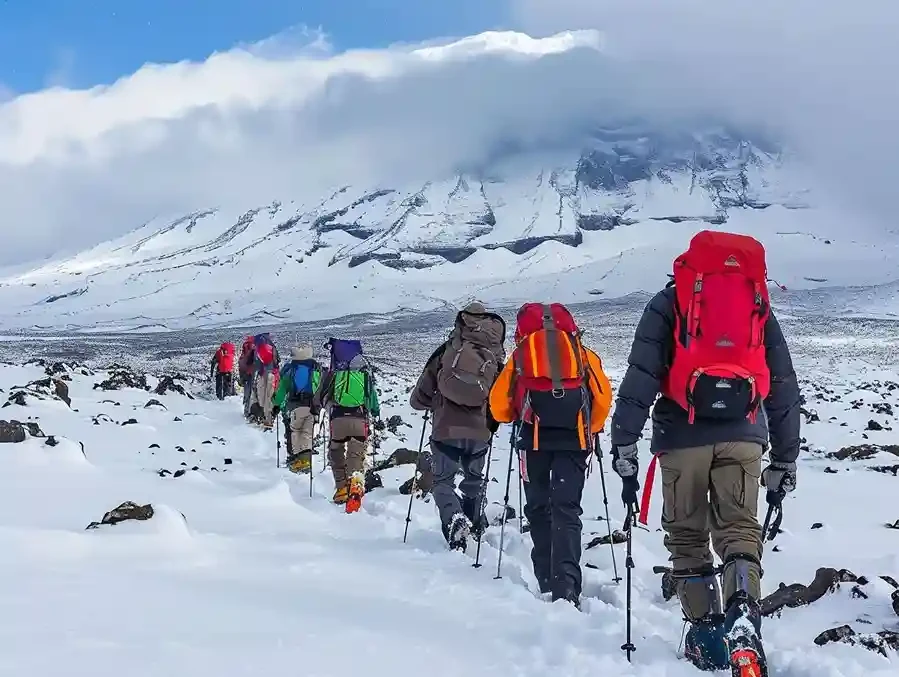
Quick Answer
January–March often brings warmer lower slopes and fewer climbers than the main northern-hemisphere summer peak. July–October is dry and popular. April–May is the wettest period, while November has shorter rains. Choose the route and number of days before choosing a full-moon date.
Key Planning Facts
- Drier windows: January–early March and June–October
- Wettest period: April–May
- Crowded period: July–September and festive dates
- Safety priority: Route length, guide systems and weather readiness
Understanding Kilimanjaro’s Climbing Seasons
Mount Kilimanjaro, standing at 5,895 meters (19,341 feet), is a year-round climbing destination, but the best time to climb depends on weather, crowd levels, and your preferences for scenery or solitude. Capable Africa Tours recommends the dry seasons—January to March and June to October—for optimal conditions, with temperatures ranging from 80°F at the base to 0°F at the summit. Below is a detailed breakdown of Kilimanjaro’s seasons to help you choose the perfect time for your trek.
Dry Seasons: January–March and June–October
- January–March (Warm Dry Season): Warm temperatures (70–80°F at lower elevations), clear skies, and minimal rain make this a peak climbing period. February is the coldest summit month (0–10°F), requiring thermal layers. Expect moderate crowds, especially on popular routes like Machame and Marangu.
- June–October (Cool Dry Season): Cooler temperatures (60–75°F at the base) and dry trails offer excellent visibility for views of Kibo and Mawenzi peaks. September and October are less crowded, ideal for a quieter trek. Summit nights can dip to 5–15°F.
Wet Seasons: April–May and November
- April–May (Long Rains): Heavy rainfall (up to 15 inches/month) creates muddy trails and low visibility, especially in rainforest zones. Fewer climbers mean more solitude, but waterproof gear and experienced guides are critical.
- November (Short Rains): Lighter rainfall (5–8 inches/month) than April–May, with occasional clear days. Trails can be slippery, but the shoulder season offers fewer crowds and lush scenery in lower zones.
Seasonal Weather Data
| Season | Months | Base Temp (°F) | Summit Temp (°F) | Rainfall (in/month) | Crowd Level |
|---|---|---|---|---|---|
| Warm Dry | January–March | 70–80 | 0–10 | 1–3 | Moderate |
| Long Rains | April–May | 65–75 | 5–15 | 10–15 | Low |
| Cool Dry | June–October | 60–75 | 5–15 | 1–2 | High (June–Aug), Moderate (Sep–Oct) |
| Short Rains | November | 65–75 | 5–15 | 5–8 | Low |
Why Timing Your Kilimanjaro Climb Matters
Choosing the right time to climb Mount Kilimanjaro significantly impacts your comfort, safety, and summit success rate. Dry seasons offer stable weather, safer trails, and better visibility, increasing your chances of reaching Uhuru Peak (98% success rate with Capable Africa Tours). Wet seasons, while challenging, provide unique opportunities for experienced climbers seeking solitude and lush landscapes. Here’s why timing matters and how Capable Africa Tours ensures a successful climb.
Key Benefits of Optimal Timing
- Safety: Dry trails reduce risks of slips and falls, especially on steep sections like the Barranco Wall.
- Comfort: Clear skies and moderate temperatures enhance trekking enjoyment across Kilimanjaro’s five climate zones.
- Success Rate: Longer, drier routes like Lemosho (7–8 days) improve acclimatization, boosting summit success to 95%.
- Scenery: Dry seasons offer unobstructed views of Kilimanjaro’s glaciers and volcanic landscapes.
Best Routes for Your Kilimanjaro Climb
The best time to climb influences your route choice, as some routes handle wet conditions better than others. Capable Africa Tours offers customizable itineraries across all major routes, each with unique features. Below is a comparison to help you decide.
| Route | Duration (Days) | Difficulty | Success Rate (%) | Best Season | Features |
|---|---|---|---|---|---|
| Marangu | 5–6 | Moderate | 85 | Jan–Mar, Jun–Oct | Hut accommodations, gradual slopes, beginner-friendly |
| Machame | 6–7 | Challenging | 90 | Jan–Mar, Jun–Oct | Scenic, diverse landscapes, popular “Whiskey Route” |
| Lemosho | 7–8 | Challenging | 95 | Jan–Mar, Jun–Oct | Longer acclimatization, remote, stunning views |
| Rongai | 6–7 | Moderate | 88 | Nov, Apr–May | Northern approach, quieter, good for wet seasons |
Visualize Your Kilimanjaro Trek
Join Capable Africa Tours for an unforgettable Kilimanjaro adventure. Watch this video to explore the routes, seasons, and breathtaking views awaiting you.
Tips for Choosing the Best Time to Climb
Selecting the ideal time for your Kilimanjaro climb involves balancing weather, crowds, and personal goals. Capable Africa Tours shares expert tips to help you plan a successful trek.
- Prioritize Dry Seasons: January–March and June–October offer the best weather for safety and summit success (95% with proper acclimatization).
- Consider Shoulder Months: Late March or early November provide fewer crowds and milder weather, ideal for solitude seekers.
- Choose Longer Routes: Routes like Lemosho (7–8 days) improve acclimatization, increasing summit chances by 10–15% compared to shorter routes.
- Prepare for Cold: Pack a -15°C sleeping bag and 800-fill down jacket for summit nights, especially in February or July.
- Book Early: Popular dry season slots fill up 6–12 months in advance. Secure your spot with Capable Africa Tours for a seamless experience.
Weather, Crowds or Acclimatization—What Matters Most?
Dry months reduce the chance of prolonged rain but do not eliminate snow, wind, cold or cloud. Rainy-season climbs can be quieter, yet wet rainforest trails and moisture management make them more demanding.
Rongai approaches from the north and may be considered during wetter periods, while Lemosho, Machame and Northern Circuit provide different acclimatization profiles. Full-moon climbs are popular but can be crowded and are not inherently safer.
Common Planning Mistakes to Avoid
- Choosing a short route because the weather is dry.
- Assuming a full moon guarantees clear skies.
- Packing for lower-slope temperatures rather than summit cold.
- Ignoring holiday crowding and permit demand.
- Booking flights with no delay buffer before the climb.
Local expert note: We recommend arriving in Tanzania at least one full day before the mountain briefing and keeping a recovery night after descent.
Ready to Climb Mount Kilimanjaro?
Climb Kilimanjaro with confidence alongside Capable Africa Tours. Our expert guides, tailored itineraries, and summit outcomes depend on acclimatization, weather, health and guide safety decisions
- summit outcomes depend on acclimatization, weather, health and guide safety decisions
- Eco-friendly treks supporting local communities
- Flexible routes for all fitness levels
- Comprehensive gear rentals and support
- All-inclusive packages with meals and transfers
Limited spots for 2025 Kilimanjaro treks—book now to secure your climb!
Plan Your Trek NowRelated Kilimanjaro Routes and Planning Guides
5-Day Marangu Route Kilimanjaro Climb | Hut-Based Trekking
Experience a classic Kilimanjaro ascent on the “Coca-Cola” route. Comfortable huts, moderate trails, and scenic views await on this 5-day adventure.
View Package →
6-Day Machame Route Kilimanjaro Trek | Challenging & Popular Path
Tackle Kilimanjaro’s most scenic and demanding route. This 6-day “Whiskey Route” climb offers dramatic landscapes and rewarding summit success.
View Package →
7-Day Lemosho Route Kilimanjaro Climb | Scenic & High Success
Enjoy a longer, scenic route with better acclimatization. This 7-day trek offers stunning views and a summit outcomes vary and cannot be guaranteed
View Package →Editorial Review and Sources
Last reviewed on 30 July 2026 by the Capable Africa Tours Tanzania travel-planning team. Operational details, seasonal conditions, accommodation status, park rules and prices can change; confirm the final itinerary and written quotation before booking.
Continue Planning
Frequently Asked Questions
Safari planning by month and travel style
January planning notes
January is commonly warm and relatively dry in northern Tanzania. Southern Serengeti and Ndutu can be important for the calving-season movement, while exact herd positions still depend on rainfall.
Trip styles to compare: kilimanjaro trekking. Choose by realistic routing and current wildlife conditions, not by the month name alone.
February planning notes
February often supports Ndutu and southern Serengeti wildlife viewing, including the wider calving period. Availability can tighten, so routes and camps should be confirmed early.
Trip styles to compare: kilimanjaro trekking. Choose by realistic routing and current wildlife conditions, not by the month name alone.
March planning notes
March can begin dry and become wetter later. Green scenery and fewer vehicles may appeal to flexible travelers, but road and migration conditions must be checked close to travel.
Trip styles to compare: kilimanjaro trek. Choose by realistic routing and current wildlife conditions, not by the month name alone.
April planning notes
April is usually within the long-rains period. Some lodges close, roads can be slower, and value may improve; itineraries need realistic drive times and flexible contingency planning.
Trip styles to compare: kilimanjaro combo. Choose by realistic routing and current wildlife conditions, not by the month name alone.
May planning notes
May is often greener and quieter, with the long rains easing at an uncertain pace. Migration planning should follow current field reports rather than a fixed calendar promise.
Trip styles to compare: kilimanjaro combo. Choose by realistic routing and current wildlife conditions, not by the month name alone.
August planning notes
August is peak dry season in much of the northern circuit. Wildlife often concentrates around water, northern Serengeti demand is strong, and early accommodation booking matters.
Trip styles to compare: kilimanjaro trek lemosho. Choose by realistic routing and current wildlife conditions, not by the month name alone.
October planning notes
October often remains dry early and becomes more changeable later. Northern Serengeti can still be relevant, while short-rain timing cannot be promised.
Trip styles to compare: kilimanjaro trek lemosho. Choose by realistic routing and current wildlife conditions, not by the month name alone.
December planning notes
December can combine short-rain conditions with holiday demand. Southern and eastern Serengeti may become more relevant, but festive pricing and availability require early confirmation.
Trip styles to compare: kilimanjaro trek machame. Choose by realistic routing and current wildlife conditions, not by the month name alone.