
Altitude Sickness on Kilimanjaro 2026/2027: Symptoms, Prevention and Descent
Altitude illness can affect any Kilimanjaro climber, regardless of age or fitness. Mild symptoms can worsen quickly when ascent continues, so the most important safety habits are choosing enough days, reporting symptoms early and accepting a guide-led decision to stop or descend.
Plan Your Safe Kilimanjaro Climb Now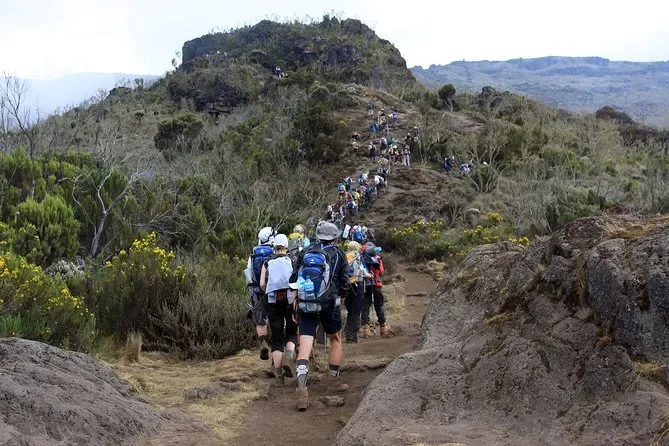
Quick Answer
A new headache with nausea, dizziness, unusual fatigue or poor sleep after gaining altitude may indicate acute mountain sickness. Do not ascend with worsening symptoms. Confusion, loss of coordination, breathlessness at rest or a wet cough are emergency warning signs that require immediate descent and medical support.
Key Planning Facts
- Risk begins: Often above 2,500 m / 8,200 ft
- Main prevention: Gradual ascent and symptom monitoring
- Emergency response: Stop ascent and descend
- Medication: Discuss with a qualified clinician before travel
Understanding Altitude Sickness on Kilimanjaro
Altitude sickness, or Acute Mountain Sickness (AMS), occurs when your body struggles to adapt to lower oxygen levels at high altitudes. On Kilimanjaro, climbers ascend from 6,000 ft to 19,341 ft, increasing the risk. Symptoms range from mild (headaches, nausea) to severe (High Altitude Pulmonary Edema or Cerebral Edema). Capable Africa Tours prioritizes your safety with expert guides trained to monitor and manage AMS, ensuring a safe climb.
Types of Altitude Sickness
- Acute Mountain Sickness (AMS): Common symptoms include headache, nausea, fatigue, and dizziness. Affects 50–75% of climbers above 10,000 ft.
- High Altitude Pulmonary Edema (HAPE): Fluid in the lungs, causing severe shortness of breath. Occurs in 1–2% of climbers.
- High Altitude Cerebral Edema (HACE): Brain swelling, leading to confusion and loss of coordination. Rare but life-threatening (0.5–1% of climbers).
Why Kilimanjaro Poses a Risk
Kilimanjaro’s rapid ascent from tropical rainforest (6,000 ft) to arctic summit (19,341 ft) over 6–9 days challenges the body’s ability to acclimatize. The risk is higher on shorter routes (e.g., 5-day Marangu) due to faster ascents. Capable Africa Tours recommends longer routes like Lemosho (8 days) or Machame (7 days) for better acclimatization.
Kilimanjaro Altitude Zones and Symptoms
| Altitude Zone | Elevation (ft) | Common Symptoms | Prevention Tips |
|---|---|---|---|
| Rainforest Zone | 6,000–9,000 | Mild headache, fatigue | Hydrate (2–3L/day), pace slowly |
| Heath/Moorland | 9,000–13,000 | Nausea, dizziness | High-carb diet, rest breaks |
| Alpine Desert | 13,000–16,000 | Shortness of breath, insomnia | Consider Diamox, slow ascent |
| Arctic Summit | 16,000–19,341 | Severe headache, vomiting | Supplemental oxygen, immediate descent if severe |
How to Prevent Altitude Sickness on Kilimanjaro
To prevent altitude sickness on Kilimanjaro, pace yourself by climbing slowly and allowing your body time to adjust to higher elevations. Stay well-hydrated, avoid alcohol, and eat balanced meals that provide steady energy. Consider adding acclimatization days to your trek and follow the “climb high, sleep low” principle when possible. Recognize early symptoms like headache, nausea, or dizziness, and communicate with your guide immediately if they appear. Below is a set of essential tips to help you stay safe and healthy while tackling Kilimanjaro with Capable Africa Tours.
1. Choose a Longer Route for Better Acclimatization
Longer routes (7–9 days) allow gradual ascent, reducing AMS risk by 20–30% compared to 5-day routes. Recommended routes with Capable Africa Tours:
- Lemosho Route (8 days): Scenic, gradual ascent with 85–summit outcomes vary and cannot be guaranteed
- Machame Route (7 days): Challenging but effective for acclimatization, 80–85% success rate.
- Rongai Route (7 days): Remote, drier route with steady climbs, ideal for wet seasons.
2. Pre-Climb Training
Train 3–6 months before your trek with cardio (running, cycling) and high-altitude hikes if possible. Aim for 3–5 sessions weekly, focusing on endurance (60–90 min). While fitness doesn’t prevent AMS, it improves stamina, helping you manage symptoms.
3. Stay Hydrated
Drink 3–4 liters of water daily to combat dehydration, which worsens AMS. Use a 3L hydration bladder or two 1L bottles. Capable Africa Tours provides purified water at camps.
4. Eat a High-Carb Diet
Consume 60–70% of calories from carbohydrates (e.g., rice, pasta, fruits). This fuels energy and aids oxygen delivery. Avoid heavy, fatty meals. Capable Africa Tours offers balanced, high-carb meals on all treks.
5. Consider Preventive Medication
Diamox (Acetazolamide, 125–250 mg twice daily) speeds acclimatization by 20–30%. Start 1–2 days before climbing after consulting a doctor. Side effects include tingling and increased urination.
6. Monitor Symptoms and Communicate
Capable Africa Tours’ guides perform daily health checks using the Lake Louise Score to assess AMS symptoms. Report headaches, nausea, or fatigue immediately for early intervention.
7. Use Supplemental Oxygen if Needed
For severe symptoms above 16,000 ft, supplemental oxygen or portable hyperbaric chambers (Gamow bags) can stabilize climbers. Capable Africa Tours carries these on all routes.
Why Climb with Capable Africa Tours?
Capable Africa Tours ensures your safety with expert guides trained in altitude sickness prevention and management. Our all-inclusive packages include:
- Daily health checks using Lake Louise Score.
- High-carb, balanced meals tailored for high-altitude trekking.
- Supplemental oxygen and Gamow bags for emergencies.
- summit outcomes depend on acclimatization, weather, health and guide safety decisions
- Eco-friendly treks supporting local communities.
What Safe Mountain Operations Look Like
Learn how Capable Africa Tours prepares you for a safe Kilimanjaro trek with expert tips on preventing altitude sickness. Watch this video for insights.
Symptoms and the Correct Next Step
Mild symptoms should never be hidden. A guide may recommend rest, reassessment, hydration, food and no further ascent. If symptoms worsen or severe signs appear, descent is the priority. Supplemental oxygen can support a climber during evacuation, but it is not a reason to continue upward.
Acetazolamide can reduce risk for some travelers, but it is a prescription medicine with contraindications and side effects. The decision belongs with a clinician who knows your medical history—not a website, friend or mountain guide.
Common Planning Mistakes to Avoid
- Assuming excellent fitness provides immunity.
- Taking painkillers and continuing upward without reporting symptoms.
- Using oxygen to mask deterioration while ascending.
- Choosing a short route based on a claimed summit-success percentage.
- Ignoring breathing difficulty at rest or loss of coordination.
Local expert note: Before departure, ask the operator how guides record symptoms, what oxygen and communication equipment is carried, when descent is ordered and how evacuation is coordinated.
Plan a Safer Kilimanjaro Climb
Climb Mount Kilimanjaro with confidence alongside Capable Africa Tours. Our expert guides, safety protocols, and altitude sickness prevention strategies ensure a memorable and secure adventure.
- summit outcomes depend on acclimatization, weather, health and guide safety decisions
- Expert guides trained in AMS management
- Comprehensive safety equipment (oxygen, Gamow bags)
- Customizable itineraries for optimal acclimatization
- All-inclusive packages with meals and transfers
Limited spots for safe Kilimanjaro treks — book now to secure your adventure!
Plan Your Trek NowExplore Our Kilimanjaro Climbing Packages
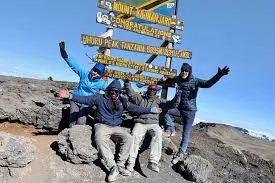
7-Day Lemosho Route Kilimanjaro Climb | Scenic & Gradual
Experience a scenic, gradual ascent with high summit success. Ideal for acclimatization and stunning views with Capable Africa Tours.
View Package →
6-Day Machame Route Kilimanjaro Climb | Challenging Adventure
Tackle the “Whiskey Route” with Capable Africa Tours for a rewarding climb with dramatic landscapes and solid acclimatization.
View Package →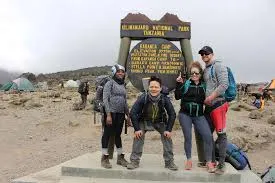
7-Day Rongai Route Kilimanjaro Trek | Remote & Drier Path
Climb Kilimanjaro’s quieter northern route, perfect for wet seasons, with Capable Africa Tours’ expert guidance and safety measures.
View Package →Editorial Review and Sources
Last reviewed on 30 July 2026 by the Capable Africa Tours Tanzania travel-planning team. Operational details, seasonal conditions, accommodation status, park rules and prices can change; confirm the final itinerary and written quotation before booking.
Key fact-check references: CDC high-altitude travel guidance; Wilderness Medical Society altitude guidance.