
Fastest Kilimanjaro Climbs 2026/2027: Verified Records, Categories and Safety Context
The fastest Kilimanjaro climbs ever recorded are truly remarkable feats of endurance. The current official record is held by Swiss mountain runner Karl Egloff, who in 2014 ran from the gate to the summit and back in just 6 hours and 42 minutes. Before him, Spanish runner Kilian Jornet set a record of 7 hours and 14 minutes in 2010. For context, most climbers take 5–9 days to reach the summit showing just how extraordinary these record attempts are. Below is a look at some of the fastest Kilimanjaro climbs ever recorded, showcasing the remarkable achievements of those who reached the summit in record time with Capable Africa Tours sharing the history.
Plan Your Kilimanjaro Trek Now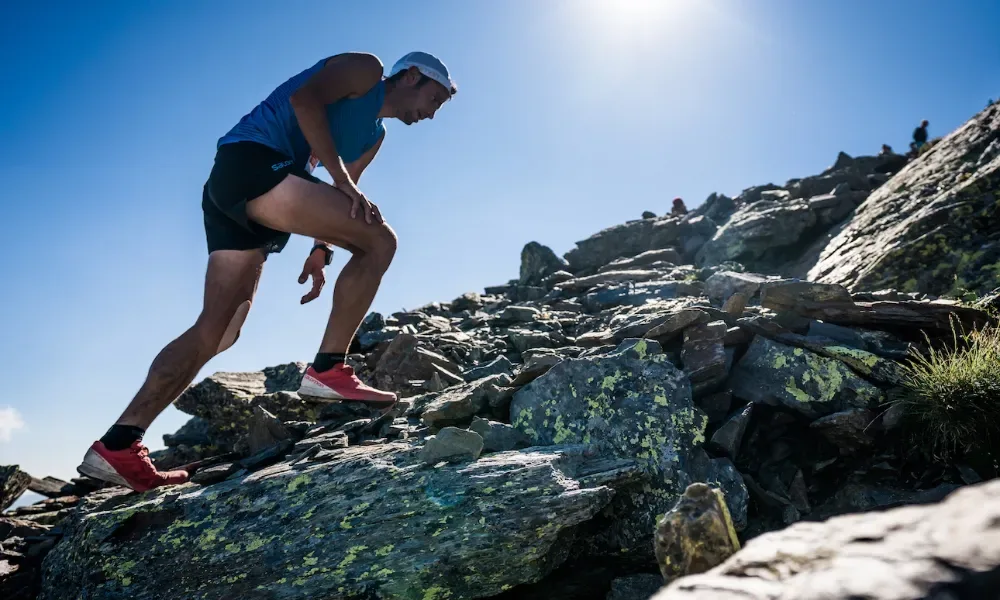
Record-Breaking Kilimanjaro Climbs: The Fastest Times
Climbing Kilimanjaro typically takes 6–9 days, but elite athletes and speed climbers have pushed human limits to achieve record-breaking ascents. These attempts require exceptional fitness, altitude adaptation, and mental endurance, far beyond a standard trek. While not recommended for regular climbers due to serious safety risks, these feats highlight what is physically possible on Africa’s highest peak. Below is a look at some of the fastest Kilimanjaro climbs ever recorded, showcasing the mountain’s most extraordinary achievements.
Top 5 Fastest Kilimanjaro Climbs Ever Recorded
| Climber | Time | Route | Year | Details |
|---|---|---|---|---|
| Karl Egloff | 4 hours, 56 minutes | Umbwe Route | 2014 | Swiss-Ecuadorian ultra-runner; round-trip time of 6 hours, 42 minutes. |
| Fernanda Maciel | 7 hours, 8 minutes | Umbwe Route | 2018 | Brazilian trail runner; women’s record with a round-trip of 10 hours, 6 minutes. |
| Kilian Jornet | 5 hours, 23 minutes | Marangu Route | 2010 | Spanish ultra-runner; round-trip time of 7 hours, 14 minutes. |
| Bruno Brunod | 5 hours, 38 minutes | Marangu Route | 1995 | Italian skyrunner; early record for speed climbing Kilimanjaro. |
| Kristina Schou Madsen | 7 hours, 40 minutes | Umbwe Route | 2018 | Danish trail runner; second-fastest women’s ascent. |
What Makes These Climbs Possible?
Speed climbers like Karl Egloff and Fernanda Maciel combine elite endurance, lightweight gear, and strategic route choices. The Umbwe Route’s steep incline minimizes distance but demands exceptional stamina. Acclimatization, often done via prior high-altitude exposure, is critical to avoid altitude sickness. Capable Africa Tours supports climbers with tailored itineraries to balance speed and safety.
Why Attempt a Fast Kilimanjaro Climb?
Fast climbs are not just about breaking records—they’re about pushing human limits and experiencing Kilimanjaro’s majesty in a condensed, intense adventure. With Capable Africa Tours, you can explore speed climbing with expert guidance to ensure safety and success. Here’s why these ascents are so compelling and how to approach them responsibly.
Benefits of a Fast Climb
- Physical Challenge: Tests endurance, strength, and mental resilience.
- Time Efficiency: Ideal for experienced climbers with limited schedules.
- Unique Experience: Offers a thrilling, high-intensity trek through Kilimanjaro’s diverse zones.
- Bragging Rights: Join an elite group of climbers who’ve tackled Kilimanjaro at speed.
Risks and Considerations
- Altitude Sickness: Rapid ascents increase the risk of acute mountain sickness (AMS); 50% of fast climbers experience mild symptoms.
- Physical Strain: Demands peak fitness to avoid injury or exhaustion.
- Weather Challenges: Fast climbs leave less time to adapt to sudden weather changes, like rain or snow.
- Guide Expertise: Capable Africa Tours provides experienced guides to monitor health and pace.
Watch a Speed Climb in Action
See how elite climbers tackle Kilimanjaro’s steep trails with speed and precision. Capable Africa Tours brings you footage of a fast ascent to inspire your own journey.
How to Prepare for a Fast Kilimanjaro Climb
Attempting a fast Kilimanjaro climb requires meticulous preparation. Capable Africa Tours recommends a 6–12 month training plan, lightweight gear, and strategic acclimatization to maximize success. Here’s a step-by-step guide to get you ready for a swift, safe ascent.
Training Plan for Speed Climbing
- Cardio Endurance: Run 40–60 km weekly, including 2–3 sessions of high-intensity interval training (HIIT).
- Hill Training: Practice 1,000–2,000m elevation gain hikes or stair climbs 2–3 times weekly.
- Strength Work: Focus on legs and core with squats, lunges, and planks (3–4 sessions/week).
- Altitude Simulation: Use altitude tents or train above 3,000m if possible to mimic Kilimanjaro’s conditions.
- Recovery: Incorporate rest days and stretching to prevent injuries.
Gear Checklist for Fast Climbs
| Item | Quantity | Weight (Approx.) | Purpose |
|---|---|---|---|
| Trail Running Shoes | 1 pair | 300–400g | Lightweight, grippy footwear |
| Merino Base Layer | 1–2 sets | 150–200g each | Moisture-wicking, warmth |
| Lightweight Fleece | 1 | 200–300g | Insulation for mid-zones |
| Gore-Tex Shell | 1 | 300–400g | Wind and rain protection |
| Hydration Pack | 1 | 200–300g | Carries 1–2L water, essentials |
Acclimatization Strategies
- Pre-Trip Exposure: Spend 2–3 days at 3,000m+ before your climb, if possible.
- Hydration: Drink 3–4L of water daily to combat altitude effects.
- Pacing: Work with Capable Africa Tours guides to maintain a steady, sustainable pace.
- Medications: Consult a doctor about Diamox for altitude sickness prevention.
Plan a Responsible Kilimanjaro Trek Instead of a Speed Attempt
Join Capable Africa Tours to conquer Mount Kilimanjaro with confidence, whether aiming for speed or a standard trek. Our expert guides, tailored itineraries, and gear rentals ensure a safe, thrilling adventure.
- Kilimanjaro outcomes vary by route, acclimatisation, health, weather and decision-making. We do not publish an unaudited percentage as a safety or summit promise.
- Customized fast-climb itineraries for experienced trekkers
- Eco-friendly treks supporting local Tanzanian communities
- Gear rentals for lightweight jackets, hydration packs, and more
- All-inclusive packages with meals, transfers, and permits
Limited spots for Kilimanjaro treks—book now to secure your place on the Roof of Africa!
Plan Your Trek NowExplore Our Kilimanjaro Climbing Adventures
5-Day Marangu Route Kilimanjaro Climb | Hut-Based Trekking
Experience a classic Kilimanjaro ascent on the “Coca-Cola” route with Capable Africa Tours. Enjoy comfortable huts and scenic trails.
View Package →
6-Day Marangu Route Kilimanjaro Climb | Best for First-Time Trekkers
Join Capable Africa Tours for a scenic hut-to-hut climb with an extra acclimatization day, perfect for beginners.
View Package →
6-Day Machame Route Kilimanjaro Trek | Challenging & Popular Path
Tackle the scenic “Whiskey Route” with Capable Africa Tours for a rewarding climb with dramatic landscapes.
View Package →