
The First Documented Kilimanjaro Ascent — Historical Guide Updated 2026/2027
In 1889, Hans Meyer and his team achieved the first confirmed ascent of Mount Kilimanjaro, conquering Africa’s highest peak at 19,341 feet. This historic climb marked a turning point in mountaineering, opening Kilimanjaro to adventurers worldwide. With Capable Africa Tours, explore the story of this groundbreaking expedition, learn about the Marangu Route they pioneered, and get expert tips to plan your own Kilimanjaro climb. From rugged terrain to extreme weather, discover how Meyer’s success inspires modern trekkers to summit this iconic mountain.
Plan Your Kilimanjaro Trek Now
The Historic First Ascent of Mount Kilimanjaro
Mount Kilimanjaro, standing at 19,341 feet (5,895 meters), is Africa’s tallest peak and one of the Seven Summits. The first confirmed summit was achieved on October 6, 1889, by German geologist Hans Meyer, Austrian mountaineer Ludwig Purtscheller, and their Chagga guide, Yohani Lauwo. This monumental climb, organized after two failed attempts in 1887 and 1888, overcame extreme cold, altitude challenges, and uncharted terrain. Capable Africa Tours celebrates this milestone by guiding modern trekkers along the same historic paths with expert support and modern gear.
Key Details of the 1889 Expedition
- Team: Hans Meyer (geologist), Ludwig Purtscheller (mountaineer), Yohani Lauwo (Chagga guide), and a support team of porters.
- Route: Marangu Route, starting from the southeast through rainforest, moorland, and the Saddle to Kibo’s summit.
- Duration: Approximately six weeks, including acclimatization and multiple summit attempts.
- Challenges: Harsh weather (0°F at summit), limited equipment, altitude sickness, and logistical issues like food and water.
- Significance: First documented summit of Kilimanjaro, proving its accessibility and inspiring global mountaineers.
The 1889 Climb
| Metric | Value |
|---|---|
| Peak Altitude | 19,341 ft (5,895 m) |
| Expedition Duration | ~6 weeks |
| Summit Temperature | 0°F (-18°C) |
| Team Size | 3 climbers + porters |
| Route Distance | ~40 miles round trip |
Why the First Ascent Matters Today
The 1889 ascent by Hans Meyer’s team was more than a mountaineering triumph—it paved the way for Kilimanjaro to become a global trekking destination. Their success on the Marangu Route established a viable path still used today. At Capable Africa Tours, we draw inspiration from this historic climb, offering guided treks that combine modern safety, eco-conscious practices, and cultural respect for the Chagga communities. Here’s why this milestone resonates with today’s climbers.
Impact of the First Ascent
- Route Development: The Marangu Route remains a beginner-friendly path with huts, used by 35% of climbers annually.
- Mountaineering Legacy: Meyer’s climb inspired the Seven Summits challenge, with Kilimanjaro as a key peak.
- Local Involvement: Yohani Lauwo’s role highlighted the importance of local guides, a tradition continued by Capable Africa Tours.
- Tourism Growth: Over 50,000 climbers attempt Kilimanjaro yearly, boosting Tanzania’s economy by $50 million annually.
- Conservation Awareness: Early expeditions raised awareness of Kilimanjaro’s unique ecosystems, now protected as a UNESCO site.
How the 1889 Expedition Differs From a Modern Trek
Watch this video to explore the historic 1889 climb of Mount Kilimanjaro and see how Capable Africa Tours brings this legacy to life with modern treks.
How to Prepare for Your Kilimanjaro Climb
Inspired by Hans Meyer’s 1889 ascent? Climbing Kilimanjaro today is safer and more accessible, thanks to modern gear, experienced guides, and established routes. Capable Africa Tours shares expert tips to help you prepare for a successful summit, whether you choose the historic Marangu Route or other paths like Machame or Lemosho.
Preparation Tips for Modern Climbers
- Physical Training: Train 3–6 months in advance with cardio (hiking, running) and strength exercises to handle 6–9 days of trekking.
- Gear Selection: Invest in layered clothing (merino wool base, fleece mid-layer, Gore-Tex outer) and broken-in hiking boots.
- Acclimatization: Choose longer routes (7–9 days) to adjust to altitudes up to 19,341 ft, reducing altitude sickness risk.
- Local Guides: Hire experienced guides from Capable Africa Tours for navigation, safety, and cultural insights.
- Packing Light: Keep your daypack under 7kg; porters carry up to 15kg of group gear on supported treks.
- Health Precautions: Consult a doctor for altitude medication (e.g., Diamox) and ensure vaccinations (e.g., yellow fever).
Planning the Next Step: Follow in Hans Meyer’s Footsteps
With Capable Africa Tours, climb Mount Kilimanjaro and experience the thrill of Africa’s highest peak. Our expert guides, eco-friendly treks, and tailored itineraries ensure a safe and memorable adventure, inspired by the historic 1889 ascent.
- Kilimanjaro outcomes vary by route, acclimatisation, health, weather and decision-making. We do not publish an unaudited percentage as a safety or summit promise.
- Eco-conscious treks supporting Chagga communities
- Gear rentals for down jackets, sleeping bags, and more
- Customizable routes like Marangu, Machame, and Lemosho
- All-inclusive packages with meals, transfers, and permits
Limited spots for Kilimanjaro treks—book now to secure your historic climb!
Plan Your Trek NowExplore Our Kilimanjaro Climbing Adventures
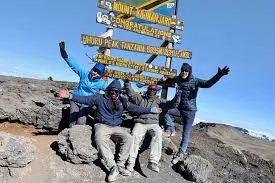
5-Day Marangu Route Kilimanjaro Climb | Historic Hut-Based Trek
Follow Hans Meyer’s path with Capable Africa Tours on the Marangu Route, featuring comfortable huts and scenic trails.
View Package →
7-Day Lemosho Route Kilimanjaro Climb | Scenic & Less Crowded
Join Capable Africa Tours for a longer, scenic route with better acclimatization, ideal for a rewarding summit experience.
View Package →
6-Day Machame Route Kilimanjaro Trek | Challenging & Popular Path
Kilimanjaro outcomes vary by route, acclimatisation, health, weather and decision-making. We do not publish an unaudited percentage as a safety or summit promise.
View Package →