
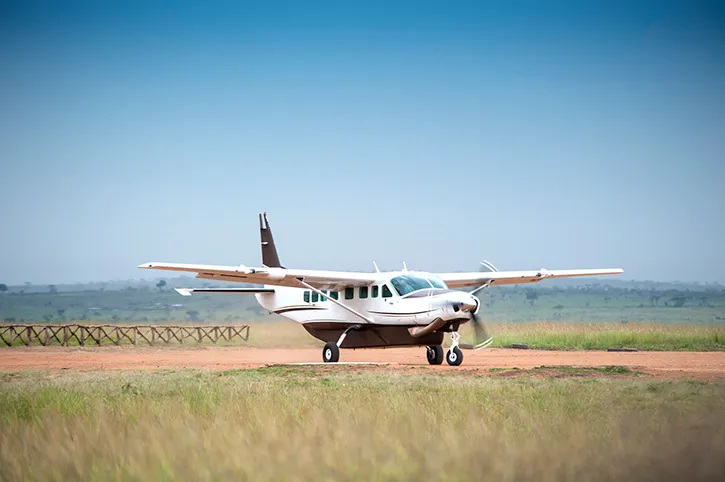
Is this six-day safari right for you?
For a six-day trip beginning on arrival at JRO, the most realistic plan has an airport-and-hotel day followed by five days on the Northern Circuit. A late flight on the final evening is usually preferable to a same-day early departure.
The trip at a glance
| Planning question | What you should know |
|---|---|
| Travel duration | 6 days, 5 on-trip nights (unless a flight/hotel arrangement is explicitly amended) |
| Who it suits | International guests who want a clearly timed safari from JRO with the airport transfer and first overnight shown rather than assumed. |
| Transport | Flight meet-and-greet transfer from JRO to Arusha, then dedicated safari vehicle; departure-airport transfer only if confirmed. |
| How the price is agreed | JRO pickup, the pre-safari Arusha night and any departure transfer are distinct cost items. We show them in the itinerary so the price is not misleadingly compared with a six-day safari starting after an Arusha hotel night. |
Your six-day safari itinerary, explained
This is a suggested six-day route, not a guarantee of any animal sighting or an unchangeable flight schedule. Capable Africa Tours confirms overnight properties, the departure point, park entries and any air sectors when preparing your quotation. Here is how the time is actually used:
Day 1 — Arrive at JRO and settle in Arusha
Your driver meets you after arrival formalities and takes you to your reserved hotel in Arusha. If the flight is delayed, the plan does not collapse because there is no park gate to rush toward. You can rest, exchange practical information with the guide and check whether you need a small overnight bag for the safari vehicle.
Overnight: Arusha hotel.
Travel and timing: Airport formalities plus a road transfer, often around 1–1½ hours to Arusha.
Day 2 — Arusha to Tarangire
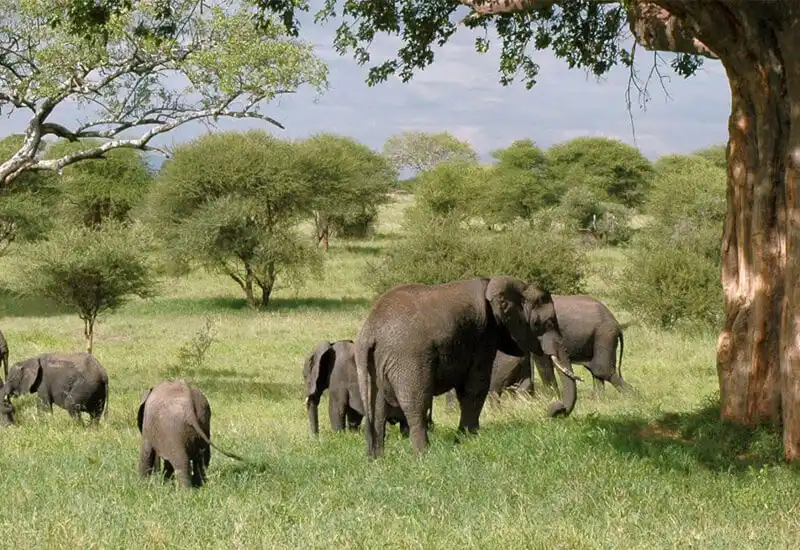
After breakfast, meet your safari guide and drive to Tarangire. Baobabs, elephants and seasonal movement around water make it a rewarding first park. There is time for an afternoon drive if you depart promptly. Continue to a lodge on the Mto wa Mbu–Karatu side rather than return to Arusha.
Overnight: Mto wa Mbu / Karatu lodge.
Travel and timing: Around 2–3 hours from Arusha before game viewing.
Day 3 — The road into Serengeti
Cross the highlands and descend toward Serengeti. This is a long journey with park formalities and changing scenery. We plan your camp with the next day’s drives in mind, rather than promising hours of predator viewing before you have reached the park. En-route game viewing is a welcome extra when timing works.
Overnight: Central Serengeti camp.
Travel and timing: Long overland transfer.
Day 4 — Serengeti game-drive day
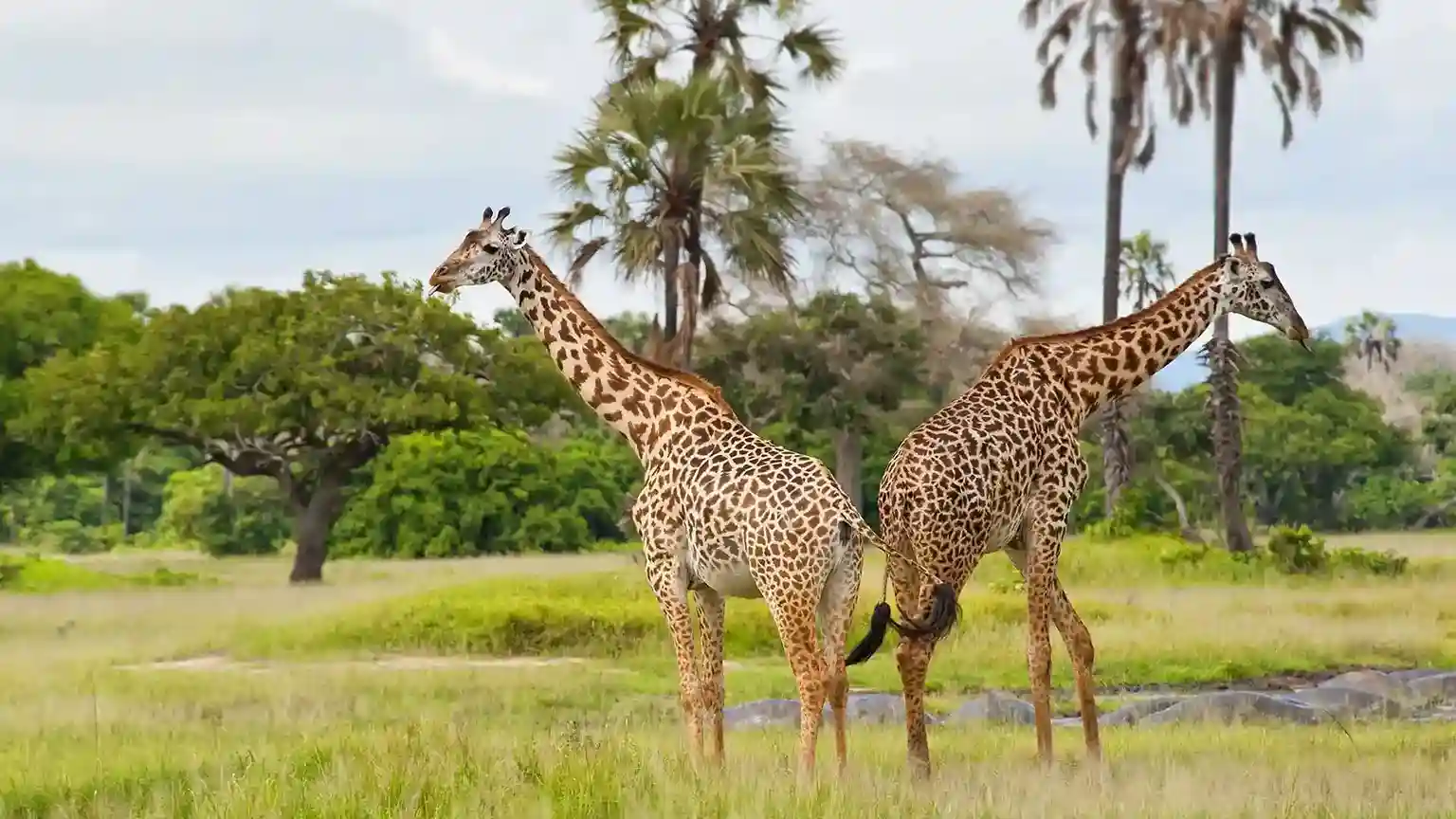
Start early if you wish. The Seronera area and nearby plains offer different habitats without a major transfer. Let your guide know whether the priority is predators, birds, photography or relaxed observation. A packed lunch may make it easier to stay out; lodge meal arrangements are confirmed beforehand.
Overnight: Central Serengeti camp.
Travel and timing: Wildlife day with no inter-park transfer.
Day 5 — Serengeti to Karatu
Enjoy a morning outing as you head toward the exit, then cross the Ngorongoro Conservation Area for the Karatu highlands. This is another driving day. An overnight in Karatu puts you in a useful position for the crater and avoids attempting a distant Serengeti-to-crater-to-airport run all at once.
Overnight: Karatu lodge.
Travel and timing: Several hours of driving, depending on where your Serengeti camp is located.
Day 6 — Ngorongoro Crater and return
After early breakfast, descend for the crater drive. Then travel back toward Arusha. If you have a departing JRO flight that night, we will check the latest safe transfer window before confirming the crater plan; an additional night may be necessary. Do not book an early afternoon international departure based on a full crater drive.
Overnight: Tour ends at confirmed drop-off point.
Travel and timing: Crater visit plus drive to Arusha and any further JRO transfer.
What to arrange before you board your flight to JRO
Send your arrival flight number, terminal details if available and the name on the booking. JRO is Kilimanjaro International Airport, not Arusha Airport; the two are in different places. This matters for meeting points and for any later Serengeti domestic flight connection. We will indicate which airport is used in the quotation rather than writing only “airport pickup”.
You should also check your final international flight time before paying for the safari. A crater visit followed by a long drive may be fine before a late departure but unsafe as a plan for an afternoon check-in. Where necessary, Capable can change the last night or propose a more suitable flight day.
What travelers should ask before booking
Can we drive to Serengeti straight from JRO on arrival?
Usually we would not recommend it. The airport and Serengeti are far apart by road. If you want the Serengeti immediately, an onward domestic flight may be possible, but schedules and baggage limits must be checked first.
What if our flight lands late at night?
The first night should be in Arusha or Moshi. The safari vehicle starts the park route the following morning; Capable arranges the pickup and hotel transfer shown in the quote.
Is the return airport transfer automatically included?
Only if it is listed. Give us your flight number, arrival and departure times, and preferred end point so we can quote the full journey.
What makes the quotation accurate
JRO pickup, the pre-safari Arusha night and any departure transfer are distinct cost items. We show them in the itinerary so the price is not misleadingly compared with a six-day safari starting after an Arusha hotel night.
Tell Capable Africa Tours your dates, group size, children’s ages if relevant, preferred comfort level and start/end locations. We will identify the accommodation category and confirm the transfer route rather than quote a low number that quietly assumes unavailable rooms or missing flights. If you have fixed international departures, we will check whether your final safari day leaves a safe connection.
Your final itinerary is coordinated by our Tanzania team: the confirmed vehicle, guide, lodges or camps, park activities, planned meals, and agreed transfers are combined into one written proposal. You will receive the actual services and their conditions before paying a deposit.
Inclusions and exclusions — check your written quote
Included when listed in your package
- 4×4 safari transport and driver-guide for the itinerary as quoted
- Accommodation category and five nights shown in the confirmed program
- Meals explicitly listed for each day
- Park and conservation fees specifically included on the invoice
- Game drives and agreed local pickup/drop-off services
Not included unless expressly quoted
- International flights unless the quotation includes them
- Domestic flights or airstrip transfer not itemized as included
- Visa, insurance and personal medical expenses
- Tips, laundry, drinks or personal shopping unless written as included
- Optional balloon rides, added cultural visits and itinerary extensions
A private vehicle is not automatically part of a group-joining fare, and a photographed lodge is not a guaranteed property assignment. Capable will state the service basis that applies to your booking.
Questions before you travel
Can I use this route at any time of year?
The route is possible in different seasons, but wildlife distribution, road access and available accommodation vary. We confirm the order of parks and overnight areas against your month of travel.
Can I finish in Zanzibar or at an airport instead of Arusha?
Usually a different endpoint is possible, but it can involve a separate domestic flight or a longer transfer. Capable will price it transparently and check the real connection before confirmation.
Ask Capable Africa Tours to put your trip together
You do not need to decide every lodge and transfer before contacting us. Share the dates, number of people and what matters most to you. We will reply with a route, accommodation basis and itemized inclusions you can evaluate. If a day has too much driving for your group, tell us; it is better to revise the plan before booking than to discover the problem on safari.
Request Your Six-Day Safari Quote
Send Capable Africa Tours your travel plans. We will use the details to prepare the appropriate safari quotation.