
What to know about this safari before booking
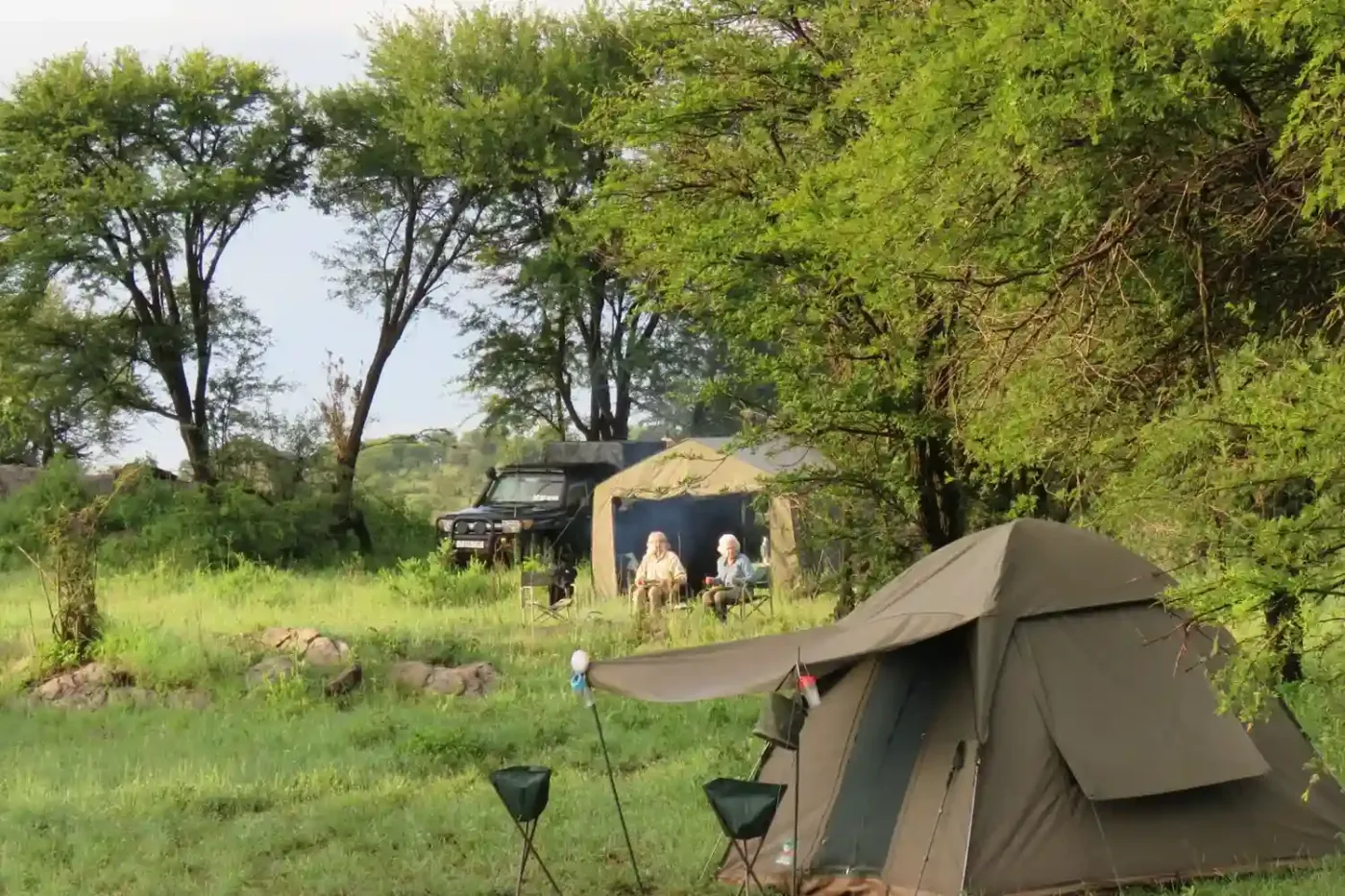
Camping lets you spend your nights closer to the sounds of the bush, but it is not the same as sleeping in a lodge. Before you book, you should know who puts up the tents, what bedding is supplied, how meals are prepared and which toilet facilities to expect. Capable Africa Tours can organise the vehicle, guide and camping support specified in your quote and explain where the nights are planned.
| Duration | 8 days / 7 nights |
|---|---|
| Accommodation | Crew-supported campsite stays, category quoted |
| Route | Manyara, Tarangire, Serengeti, Ngorongoro |
| Facilities | Varies by public or special campsite |
Your 8-day safari itinerary
The route moves from Tarangire through the highlands into Serengeti and back to Ngorongoro. Some days are about wildlife; others are about getting between camps safely. We list both so you can decide if a camping trip at this pace is right for you.
Day 1 — Arusha to Tarangire Camping
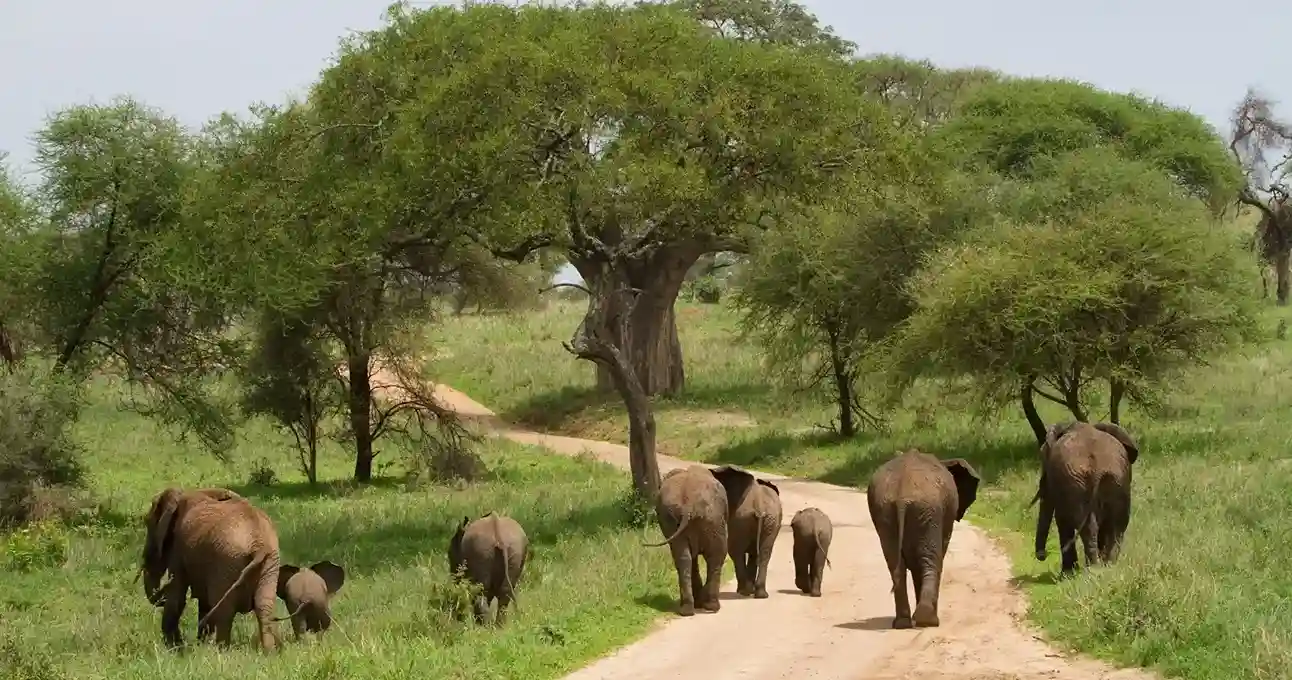
Meet the Capable Africa Tours driver-guide and camping crew in Arusha and drive to Tarangire for the first wildlife experience. After a picnic and game drive among baobabs and river habitats, the crew prepares dinner and your sleeping area at the agreed campsite. Ask beforehand whether bedding, private facilities or shared bathrooms are provided.
Where you stay: Tarangire-area campsite.
Practical note: Public and special campsites have different facilities and permit arrangements.
A camping setup takes time after the drive. We plan the first night so you are not putting up tents in darkness after an overlong journey.
Day 2 — Lake Manyara and Camp Near Karatu
Travel to Lake Manyara for forest, lake habitat, birds and primates, then continue towards a Karatu campsite. This moves you closer to the Ngorongoro route and prevents unnecessary backtracking. The camping crew prepares the evening meal; sleeping facilities depend on the category in the confirmed quotation.
Where you stay: Karatu campsite.
Practical note: Check whether showers, toilets and charging access are shared.
Ask your guide to explain how tomorrow's meals and water are handled as you move farther from towns. Simple practical details make an outdoor safari much more enjoyable.
Day 3 — Drive to Serengeti
Break camp early and travel through the Ngorongoro Highlands towards Central Serengeti. This is one of the longer road days, with changing scenery and possible wildlife towards the end. Set expectations for dust, uneven roads and a later camp arrival. The camping team will need enough daylight to set up your sleeping area and prepare dinner safely.
Where you stay: Serengeti public or special campsite.
Practical note: This is crew-supported camping, not independent off-road camping.
The highland road may be dusty and long; bring a scarf or buff and keep cameras protected. Camp arrival time matters because the crew needs daylight for setup.
Day 4 — Central Serengeti Game Drives
Spend today on game drives around Seronera and surrounding plains. Your driver-guide will select tracks according to sightings and conditions while your camp remains in place. Picnic lunch can help you avoid unnecessary drives back and forth. After sunset, the crew prepares dinner, and you return to a genuine bush-camping atmosphere with simpler facilities than a lodge.
Where you stay: Same Serengeti campsite.
Practical note: Never walk away from camp alone; follow crew and park guidance.
You have time to spend on the wildlife rather than packing again in the morning. Depending on the campsite's location, the guide can suggest an early drive before the heat builds.
Day 5 — Another Serengeti Day
Use the second full day to visit a different area or wait longer at sightings. Some days are full of action; on others, birdlife and landscape are the highlights. At camp, charge points may be limited and the temperature may drop at night, so a power bank and warm layer matter as much as camera batteries.
Where you stay: Serengeti campsite.
Practical note: The actual camp and its restroom arrangement will be confirmed before booking.
A second night in the same area can be an advantage. You learn the rhythm of camp and can explore a different permitted wildlife circuit rather than repeating the first day's route.
Day 6 — Seasonal Serengeti Exploration
We keep a third Serengeti day available for the wildlife focus that suits your month. A distant migration excursion is not compulsory; a closer drive with good animal behaviour can be better. If changing camps makes sense, the extra packing, crew movements and driving time will appear in the plan rather than being hidden from you.
Where you stay: Central or seasonal Serengeti campsite.
Practical note: Camp changes depend on permits and site availability, not only wildlife reports.
A long return transfer follows. We allow time for rest stops and reaching the overnight campsite, not just for a final photograph in Serengeti.
Day 7 — Serengeti to Karatu
After breakfast, dismantle the camp and travel back across the conservation area towards Karatu. You may see wildlife en route, but the main task is a safe transfer and camp setup. Your final campsite is better placed for an early Ngorongoro descent the following morning, particularly if the trip must end in Arusha.
Where you stay: Karatu camping site.
Practical note: The long drive is a reason to leave early and avoid adding extra stops.
At the crater, the early start is worth it. Keep an extra warm layer for the rim and changeable highland weather.
Day 8 — Ngorongoro Crater and Return
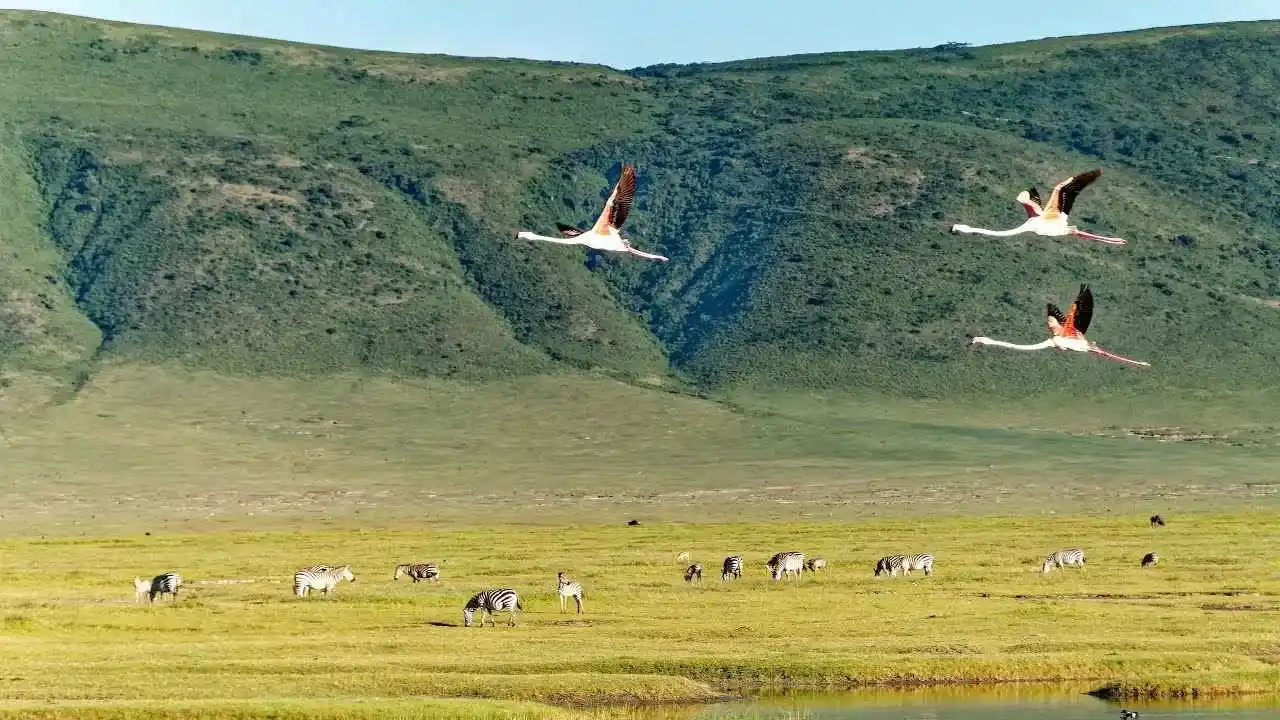
Descend into Ngorongoro Crater early for the last wildlife drive. Picnic lunch and the permitted crater time are planned before returning towards Arusha later in the day. It is a long final day, so Capable Africa Tours will not treat an early international flight as compatible with this itinerary without an earlier transfer or extra night.
Where you stay: Trip finishes in Arusha; hotel by request.
Practical note: Discuss a post-safari hotel night if your party prefers not to travel late.
Confirm the time you need to reach Arusha before the journey. If an onward flight is early, an extra hotel night may be required rather than rushing your last safari morning.
Public versus special campsites
Public sites often have shared amenities and other groups nearby. Special sites can provide more privacy but facilities are not automatically better. We confirm the exact campsite and any extra fee rather than treating all camps as identical.
Food, water and sanitary facilities
Ask whether drinking water, toilets, showers and mattresses are included, and if any private camp equipment has an extra charge. Children and older travelers may prefer a lodge or upgraded tented camp arrangement.
Wildlife safety at camp
Your guide and camp crew explain where to walk and when to stay inside camp. Guests should not leave the designated area after dark or approach animals; wildlife may move around camp areas.
Your accommodation and the details we confirm with you
Public campsites and special campsites are not interchangeable. Facilities may vary, and an advertised 'camping safari' does not automatically mean a private bathroom, hot shower or secluded pitch. Ask us for the exact campsite category, tent type and sleeping equipment included in each night. If you prefer a bed on the last night, we can price a lodge option.
What the safari price includes and excludes
Included when listed in your package
- 4×4 safari vehicle and professional guide as specified in the quotation
- Park game drives and transfers explicitly shown in the itinerary
- Agreed tents, campsite nights, crew, meals and sleeping equipment explicitly listed in the quote
- Park and conservation fees listed in the quotation, including crater service when applicable
- Airport, hotel or airstrip transfers only when expressly confirmed
Separate unless agreed
- International flights, visa charges and travel insurance
- Tips, drinks, laundry and personal expenses unless included
- Domestic flights and their baggage charges unless specifically booked
- Optional balloon flights, cultural visits and other add-ons
- Any extra hotel night, single-room supplement or activity not written in the quote
The final invoice and itinerary, not a general website description, determine what has been purchased. Ask our team to clarify any item before making a payment.
What Capable Africa Tours arranges
Capable Africa Tours coordinates the campsite reservations and the guide, vehicle, cooking support and camping equipment listed in your itinerary. Before departure, we explain meal arrangements, drinking water, shared facilities and how waste and food are handled around wildlife. A camping holiday should be adventurous, not full of avoidable surprises.
How to decide whether this itinerary suits you
This is a good choice if you enjoy early mornings, simple nights and more time outdoors. It is less suitable if you need a private ensuite bathroom, guaranteed hot showers or a hotel bed every night. Tell us which comforts are essential; we may recommend a mixed camping-and-lodge option.
Questions travelers ask before booking
Are tents and bedding included?
Only those specifically listed in the confirmed equipment and campsite package.
Will I have a private toilet?
Not necessarily. Public campsites usually involve shared facilities; ask about upgrades.
Who cooks on the trip?
The crew-supported option includes meal preparation as described in the quote.
Is camping in the park safe?
Follow the park, guide and camp crew instructions at all times.
Can I switch to lodges?
Yes, Capable can quote a lodge version when rooms are available.
Does the price include conservation charges?
Ask for an itemised quote showing every park and crater-related fee.
Do you provide the tent and sleeping mat?
We describe the equipment that will be provided in the written quotation; do not assume every camping package includes identical bedding. Ask specifically about sleeping bags if you do not have one.
Will every campsite have a hot shower?
No. Facilities differ by campsite and sometimes by water availability. We explain what to expect at each overnight stop before you book.
Is it safe to leave the tent after dark?
Always follow the guide and campsite rules. Wildlife may move through or near campsites, so never wander alone at night or keep food in the tent contrary to instructions.
Ready to plan this safari?
Tell us how comfortable you are with shared facilities, whether you need sleeping bags and if anyone has a dietary or mobility requirement. We will identify the campsites and provide a clear equipment list before confirming your camping safari.